
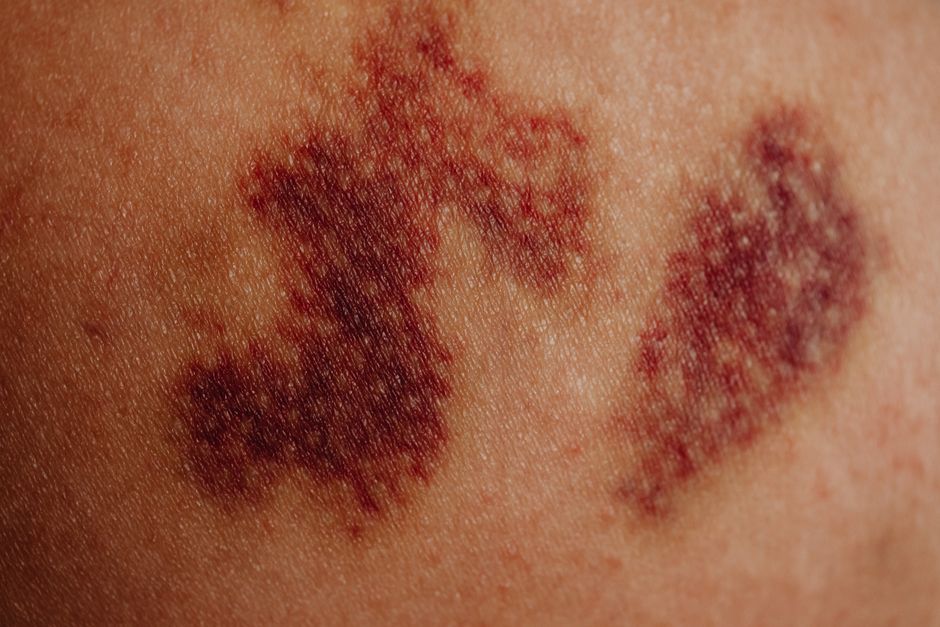
A bruise turning yellow is a normal sign of healing. It means your body is breaking down and clearing the blood that leaked into your tissues. The color change from dark purple to yellow is a clear indicator that your immune system is doing its job, and the bruise is resolving as expected.
Why Is My Bruise Turning Yellow?
The color of a bruise changes as the blood beneath your skin is processed by your body. When you get hurt, small blood vessels called capillaries break. Blood leaks out and pools in the tissue under your skin, which creates the initial red or purple mark.
Your body then sends white blood cells to clean up the spill. These cells break down the red blood cells and the hemoglobin inside them. Hemoglobin is the protein that carries oxygen and gives blood its red color. As it breaks down, it changes into other chemicals, and each chemical has a different color. Yellow is one of the last colors in this breakdown process. It comes from bilirubin, a yellow pigment that forms as hemoglobin is processed. When you see yellow, the cleanup is nearly complete.
The Full Color Timeline of a Healing Bruise
Bruises do not stay one color. They shift through a predictable sequence as the blood is reabsorbed. Not everyone sees every color, and the timing varies from person to person, but the general pattern is well established.
- Red or pink (0–1 days): Fresh blood pools under the skin. The area may feel tender and swollen.
- Purple or blue (1–3 days): The blood loses oxygen, and the bruise darkens. This is the most visible stage.
- Green (5–7 days): Hemoglobin breaks down into biliverdin, a green pigment. This stage is brief for many people.
- Yellow or brown (7–10 days): Biliverdin converts to bilirubin, which is yellow. The bruise fades as this pigment is cleared away.
This timeline is not exact. A deep bruise can take longer to change color. A minor bump may skip the green stage entirely and go straight to yellow. The size and location of the injury also matter. Bruises on the legs often take longer to heal because gravity keeps blood pooling in the lower limbs.
Why Are Some Bruises Yellow Faster Than Others?
Healing speed depends on several factors. Age is a major one. As you get older, your skin gets thinner and your blood vessels become more fragile. You bruise more easily, and the healing process slows down. A bruise that fades in a week for a 25-year-old might take two weeks for a 60-year-old.
Your overall health plays a role too. Conditions that affect blood clotting, like hemophilia or liver disease, can cause larger bruises that take longer to clear. Certain medications, including blood thinners like warfarin or aspirin, make bleeding more extensive. The more blood that pools, the longer the cleanup takes.
Nutrition also matters. Your body needs vitamin C to build healthy blood vessels and vitamin K to help blood clot properly. Deficiencies in either can make bruising worse. But if you eat a normal diet, taking extra vitamins will not speed up the color change.



When Should You Worry About a Bruise?
Most bruises are harmless and heal on their own. But some situations need medical attention. See a doctor if the bruise keeps growing after the first day. This can mean the bleeding has not stopped. Pain that gets worse instead of better is another warning sign.
Watch for swelling that does not go down or a bruise that feels hard and lumpy. This could be a hematoma, which is a larger collection of blood that may need to be drained. If you have numbness or weakness in the area, or if the bruise is near a joint and you cannot move it normally, get checked out.
Bruising without any known injury is a different concern. If you notice many bruises appearing for no reason, especially on your torso or back, this can signal a blood-clotting problem. Frequent large bruises from minor bumps also warrant a conversation with your doctor.
Does a Yellow Bruise Mean It Is Almost Healed?
Yes. Yellow is the final visible stage of bruise healing. It means your body has broken down the blood and is actively clearing the pigment from the tissue. The yellow color may last a few days before disappearing completely.
That said, the tissue underneath may still be healing. The bruise might feel slightly tender even when it looks yellow. This is normal. Full tissue repair takes time, and the visible color is only part of the picture. If the area feels completely normal and the yellow is fading, you are in the clear.
Can You Make a Bruise Heal Faster?
There is no proven way to make a bruise disappear overnight. The healing process takes time. But you can do a few things to help your body work efficiently.
In the first 48 hours after an injury, apply ice to the area. Ice constricts blood vessels, which limits how much blood leaks out. Use a cloth between the ice and your skin, and apply it for 15–20 minutes at a time. After the first two days, switch to a warm compress. Heat increases blood flow to the area, which helps your body clear the broken-down blood more quickly.
Elevating the injured area above your heart also reduces blood flow to the bruise. This is most helpful in the first day or two. Over-the-counter pain relievers like acetaminophen can help with discomfort. Avoid ibuprofen and aspirin in the first day after injury, because they thin the blood and can make the bruise larger.
There is no evidence that applying vitamin K cream, arnica, or other topical products speeds up color changes in a bruise. Some people use these products and feel they help, but clinical studies do not confirm a meaningful effect.
Frequently Asked Questions
How long does it take for a bruise to turn yellow?
Most bruises turn yellow between day 5 and day 10 after the injury. The exact timing depends on the size of the bruise, your age, and your overall health.
Is a yellow bruise a sign of infection?
No, yellowing is a normal part of healing, not an infection. Signs of infection include spreading redness, warmth, pus, fever, and pain that gets worse instead of better.
Why do some bruises never turn yellow?
Small or shallow bruises may fade directly from purple to brown without a noticeable yellow stage. The yellow phase is brief and can be easy to miss.
What does it mean if a bruise turns yellow but still hurts?
Mild tenderness in a yellow bruise is normal because the tissue is still repairing. If the pain is severe or worsening, see a doctor.
