
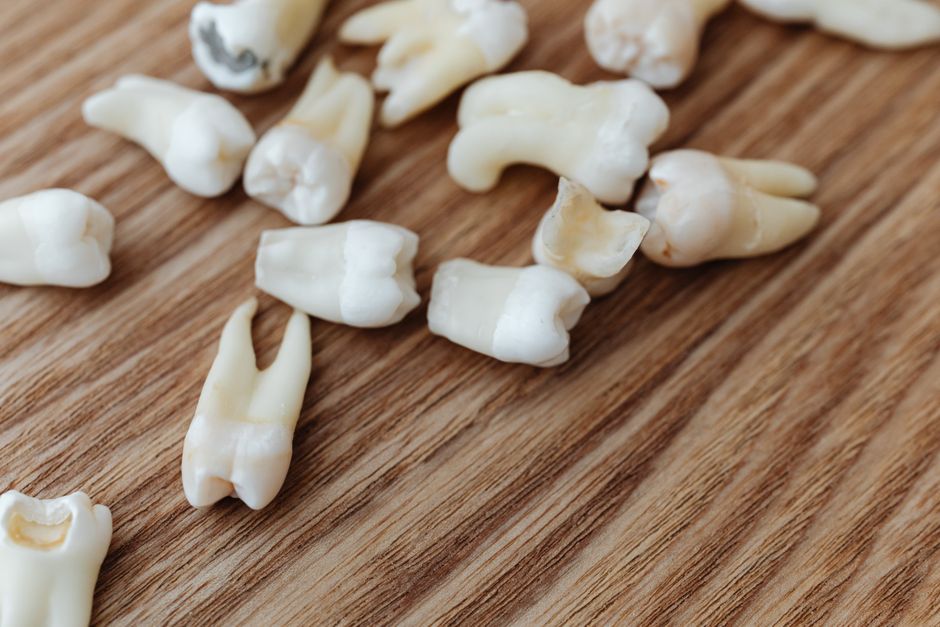
Molar pain when chewing usually means something is wrong with the tooth or the structures around it. The most common causes are a cracked tooth, deep decay reaching the nerve, advanced gum disease, or referred pain from the sinuses. The pain happens because chewing puts pressure on an already inflamed or damaged area. Ignoring it rarely works — most causes require dental treatment.
What Causes Molar Pain When Chewing?
Several conditions can cause pain in your back teeth when you bite down. The most common is a cracked tooth. Cracks can be small and hard to see, but when you chew, the two sides of the crack move apart, irritating the nerve inside. This is often called cracked tooth syndrome.
Deep decay is another frequent cause. If a cavity reaches the inner pulp of the tooth, bacteria can infect the nerve. Pressure from chewing pushes on that inflamed pulp and triggers sharp pain. Advanced gum disease, or periodontitis, can also cause pain. When the gum and bone around a molar are damaged, the tooth becomes loose. Chewing puts extra force on the weakened support, causing soreness.
Impacted wisdom teeth are a common source of molar pain, especially in the back of the mouth. A wisdom tooth that does not fully emerge can press on the neighboring molar or trap food and bacteria. Sinus infections can also cause molar pain. The roots of upper molars are very close to the sinus floor. When your sinuses are inflamed, chewing can send pressure into these roots and feel like a tooth ache.
Bruxism — grinding or clenching your teeth at night — can make molars sore. The constant pressure inflames the ligaments that hold the tooth in place. Chewing during the day adds more stress and triggers pain.
How Do I Know If My Molar Pain Is Serious?
Any pain that lasts more than a day or two deserves attention. Certain signs point to a problem that will not go away on its own. Pain that wakes you up at night or is throbbing suggests the nerve is dying or infected. Sensitivity to hot or cold that lingers after the stimulus is gone often means the pulp is damaged.
Pain when you release the bite — not when you first bite down — is a classic sign of a cracked tooth. Swelling around the tooth or in your cheek, fever, or a bad taste in your mouth can mean an abscess has formed. An abscess is a pocket of pus from a bacterial infection. It will not heal without treatment and can spread to other areas.
If chewing causes pain that stops as soon as you stop eating, the cause is less urgent but still worth checking. A dentist can find problems early when treatment is simpler and less expensive.
What Is the Difference Between Tooth Pain and Sinus Pain?
It can be hard to tell a tooth problem from a sinus problem because upper molars share nerve pathways with the sinuses. Sinus pain usually affects several teeth on the same side, not just one. It often gets worse when you bend over or lie down. You might also have nasal congestion, a headache, or postnasal drip.
Tooth pain from a cavity or crack is typically limited to one specific tooth. Tapping that tooth with a finger or spoon will reproduce the pain. Sinus-related molar pain tends to be duller and more diffuse. If you have a cold or allergies and your back teeth ache when you chew, sinusitis is a likely cause.
A dentist can test each tooth individually. If no tooth is tender to tapping but several are sensitive, sinus involvement is more probable. Decongestants sometimes relieve sinus-related molar pain, but tooth pain will not improve with them.





Why Does It Hurt Only When I Chew?
Chewing puts direct mechanical force on your teeth. That force squeezes the tooth, the ligament around its root, and the bone underneath. If any part of that system is inflamed or damaged, pressure will trigger pain. For a cracked tooth, chewing opens the crack and irritates the nerve. For an abscess, pressure forces infected fluid against the nerve endings. For gum disease, chewing shifts a loose tooth and pulls on inflamed tissue.
Pain that only happens with chewing is often a sign of a structural problem — something that breaks or bends under pressure. It is different from pain that comes without any trigger, which more often indicates nerve damage or infection. The pattern of when it hurts helps your dentist narrow down the cause.
Can Molar Pain Go Away on Its Own?
Rarely. Mild irritation from clenching or a sinus infection might fade after a few days. But most causes of molar pain when chewing do not heal without treatment. A cracked tooth will not grow back together. Decay will not reverse. An abscess will not drain safely by itself. Gum disease does not improve without cleaning. Ignoring the pain usually lets the problem get worse.
Pain that disappears for a few weeks and then returns can be particularly misleading. The nerve may have died temporarily, which stops the pain, but the infection can still spread silently. See a dentist even if the pain goes away. The underlying issue is still there.
How Is Molar Pain Treated?
Treatment depends entirely on the cause. For a small cavity, a filling usually resolves the pain. For decay that reaches the pulp, a root canal is needed to remove the infected nerve and seal the tooth. After a root canal, a crown protects the remaining tooth structure. For a cracked tooth, the treatment depends on the crack depth. Shallow cracks can sometimes be covered with a crown. Cracks that extend below the gum line often require extraction.
For gum disease, a deep cleaning called scaling and root planing removes bacteria and tartar below the gum line. Antibiotics may be prescribed if an abscess is present. For impacted wisdom teeth, removal is the standard recommendation. For sinus-related pain, treating the sinus infection with decongestants or antibiotics, if bacterial, can relieve the tooth symptoms.
No single treatment works for every situation. Your dentist will examine the tooth, take X-rays, and test your symptoms before recommending a specific plan.
Why Do I Have Molar Pain When Chewing
To summarize the main reasons: a cracked tooth, deep cavity, advanced gum disease, abscess, impacted wisdom tooth, sinus infection, or bruxism. Each of these conditions makes the tooth or its supporting structures sensitive to pressure. Chewing provides that pressure and triggers the pain. The only way to know for sure which one is causing your pain is to see a dentist. They can perform tests — tapping, X-rays, cold testing — to find the exact source.
Home remedies like warm salt water rinses or over-the-counter pain relievers can temporarily reduce discomfort, but they do not fix the underlying problem. Delaying care often makes treatment more complicated. If you have pain when you chew, it’s worth getting checked.
Frequently Asked Questions
Can a cracked molar heal on its own?
No. A crack in a tooth does not repair itself. It will usually get worse with continued chewing pressure and may eventually split the tooth.
Does chewing on one side cause pain on the other side?
Not directly. Pain from chewing is usually on the side of the problem tooth. However, favoring one side can overwork the other side and cause muscle soreness.
How long can I wait before seeing a dentist for molar pain?
More than a day or two increases the risk that the problem will worsen. If you have swelling, fever, or trouble opening your mouth, see a dentist immediately.
Is molar pain always a cavity?
No. It can also come from gum disease, a cracked tooth, an abscess, impacted wisdom teeth, or sinus pressure. Only a dental exam can tell you the cause.
