
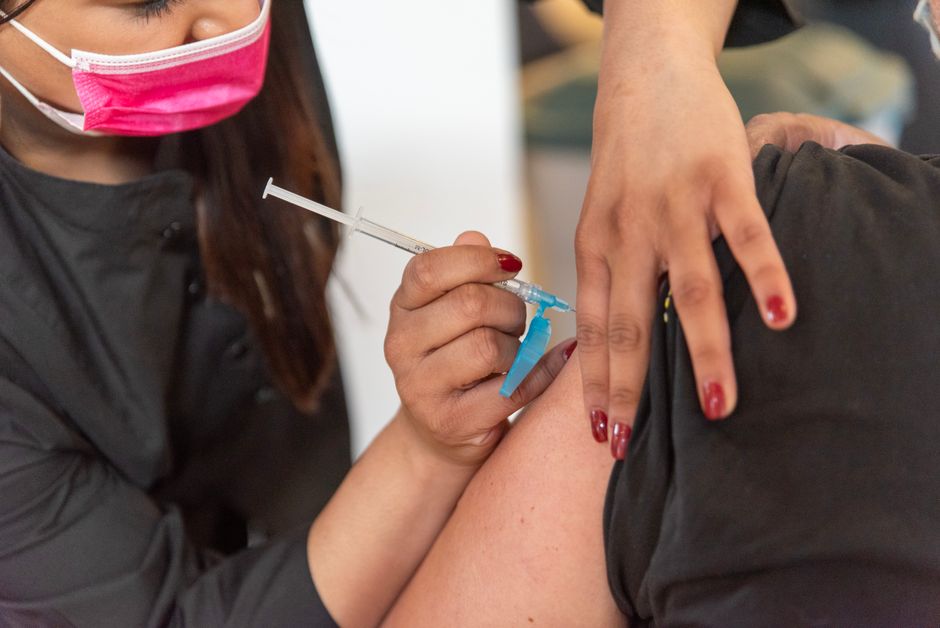
When you get a COVID vaccine, soreness in the arm you received the shot is a normal and expected reaction. The pain happens because your immune system is actively responding to the vaccine right in your muscle. This local inflammation is a sign that your body is building protection. It typically lasts one to three days and does not mean anything is wrong.
What causes arm pain after a COVID vaccine?
The soreness starts in your deltoid muscle, the muscle at the top of your arm where the shot is given. The vaccine is injected directly into that muscle. Once inside, the muscle cells take up the vaccine material. They begin producing the spike protein. Your immune system recognizes this protein as foreign and launches a response.
That response includes releasing inflammatory chemicals called cytokines. These chemicals cause blood vessels to expand and fluid to leak into the tissue. This creates swelling, warmth, and pain. Specialized immune cells travel to the injection site to investigate. All of this activity in a small area of muscle produces the ache you feel.
This process is not unique to COVID vaccines. Many vaccines given in the arm cause similar soreness. The COVID vaccines use newer technology like mRNA or viral vectors, but the immune response in the muscle is the same. The soreness is simply your body doing what it is supposed to do.
Why does the soreness happen only in the arm and not elsewhere?
The injection is placed directly into the muscle. The immune response starts right there. While some people also feel tired or have mild fever, the localized arm pain is from the initial immune activity at the injection site. The immune cells that arrive first are concentrated in that muscle. Over the next day or two, some of those cells travel through the lymph system to nearby lymph nodes in your armpit. That is why some people also feel a tender lump under the arm. That is also normal.
The arm was chosen as the injection site for practical reasons. Muscles have a good blood supply, which helps the body absorb the vaccine. The deltoid is easy to reach and causes less discomfort than injections in other muscles. The soreness you feel there is no different than what you would get with a tetanus shot or flu vaccine.
Why are some people more sore than others?
Individual responses vary widely. Some people feel barely any pain. Others have significant soreness that limits arm movement for a day or two. Research has identified a few factors that may influence how sore you get, but none are absolute predictors.
Younger people tend to report more soreness than older adults. Women report local reactions more often than men. People who have had a prior COVID infection may have a stronger immune response to the first dose. Some studies show that people who are more anxious before the shot may perceive more pain afterward, though the actual inflammation is not necessarily worse.
Importantly, the degree of arm soreness does not predict how well your immune system responds overall. A sore arm is a good sign that your immune system is activated, but a painless arm does not mean the vaccine did not work. Both responses are within the normal range.



How long does arm soreness last?
For most people, the soreness peaks in the first 24 to 48 hours after the shot. It usually fades significantly by day three. Some people notice mild discomfort for up to a week. If the pain lasts longer than a week, or if it gets worse after the first few days instead of better, that is not typical. In those cases, it is reasonable to check with a doctor.
The second dose of the mRNA vaccines often caused stronger arm soreness than the first dose. That is because your immune system already recognized the spike protein from the first dose and responded more quickly. The inflammation was more intense, but still normal. The same pattern may occur with booster doses.
What can you do to relieve the soreness?
You do not have to just wait it out. Simple measures can help you feel more comfortable. Apply a cold pack or ice wrapped in a towel to the sore area for 15 to 20 minutes at a time. This reduces local inflammation and numbs the area. Moving your arm gently throughout the day can also help. Use your arm normally for light activities. This keeps blood flowing and prevents stiffness.
If the pain bothers you, over-the-counter pain relievers like acetaminophen (Tylenol) or ibuprofen (Advil, Motrin) can be taken after the shot. The Centers for Disease Control and Prevention (CDC) recommends not taking these medications before the vaccine to prevent blunting the immune response. But once you have the shot and are feeling sore, taking them is safe and effective for symptom relief. Do not take more than the label directs.
Avoid vigorous exercise on the arm for the rest of the day. Do not rub or massage the injection site aggressively. Let the muscle recover naturally.
When should you worry about arm pain?
Most arm pain after a COVID vaccine is normal. But there are rare situations where you should seek medical advice. If the pain is severe and keeps you from using your arm after three days, call your doctor. If the redness or swelling spreads beyond the injection area, especially if it continues to grow past 24 hours, that could be a sign of infection or a different reaction.
Signs of a severe allergic reaction appear within minutes to a few hours after the shot. These include difficulty breathing, swelling of the face or throat, hives, and dizziness. If you experience any of those, call 911 immediately. Arm soreness alone is not a sign of an allergic reaction. It is a normal temporary reaction.
Delayed skin reactions like a red, itchy bump at the injection site have been reported. These appear several days later and are not dangerous. They typically resolve on their own. No special treatment is needed.
Frequently Asked Questions
Can I take pain relievers before the COVID vaccine to prevent soreness?
The CDC recommends against taking ibuprofen or acetaminophen before the shot because it may reduce the strength of your immune response. If you need pain relief, take it after the vaccine instead.
Does arm soreness mean the vaccine is working?
Soreness is a sign your immune system is responding, but it is not required. Many people with no arm pain still develop strong protection. A painless arm does not mean the vaccine did not work.
How long should I expect the soreness to last?
Most people feel sore for one to three days. The pain peaks around 24 to 48 hours after the shot. If it lasts longer than a week or gets worse, contact your doctor.
Should I ice or heat a sore arm from the vaccine?
Cold is usually better. Ice reduces swelling and numbs the area. Heat can also help relax muscle stiffness, but cold is the first choice for reducing inflammation.
