
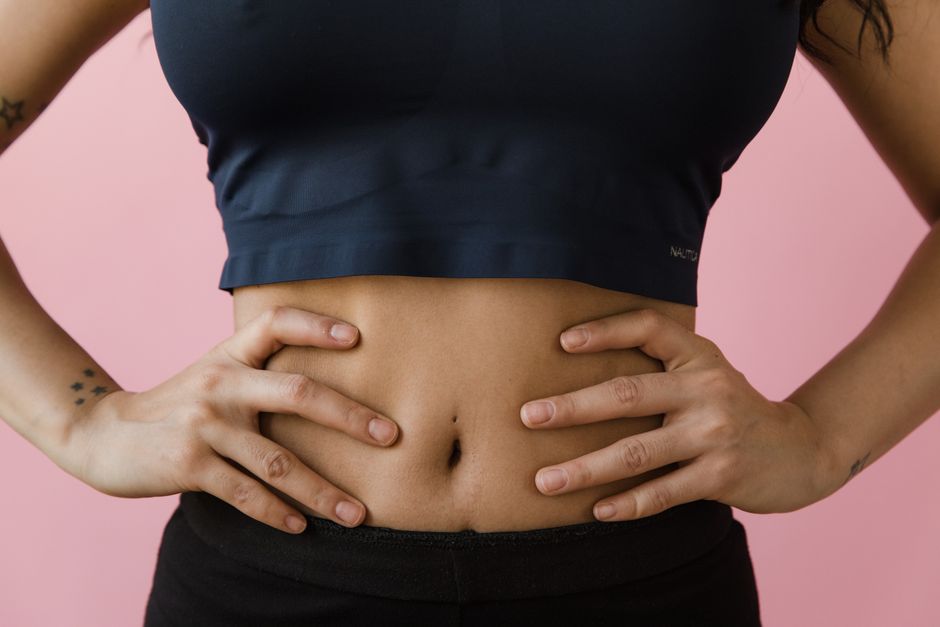
You might not think much about your belly button until you find a small clump of lint in it at the end of the day. It is common, harmless, and almost everyone gets it at some point. Belly button lint is mostly a mix of clothing fibers, dead skin cells, sweat, and body oils that collect in the navel. The shape of your belly button, the type of clothes you wear, and how much you move all play a role. You can reduce it by changing a few small habits, and this article explains exactly how.
What Actually Causes Belly Button Lint?
Research shows that belly button lint forms when tiny fibers from your clothing rub against your skin. Your body hair, especially if you have a lot of it around your midsection, acts like a tiny comb. It catches loose fibers from your shirt or pants and slowly moves them toward your navel.
The belly button itself is a small cavity. Once the fibers arrive there, they get trapped. Dead skin cells and sweat mix in, and the result is that familiar little ball of lint. A 2002 study by chemist Georg Steinhauser actually looked at this. He analyzed his own belly button lint over several years. He found that the lint was mostly cotton fibers from clothing, with some dead skin and sweat mixed in.
Men tend to get more belly button lint than women. This is likely because men usually have more abdominal hair. The hair direction around the belly button also matters. Hair that grows in a circular pattern around the navel is better at funneling fibers toward the center. Some people have belly buttons that are “innies,” which trap lint easily. “Outies” rarely collect lint because there is no cavity to hold it.
Does Belly Button Lint Mean Something Is Wrong?
For almost everyone, belly button lint is completely normal. It is not a sign of poor hygiene or a health problem. Your body is just doing what bodies do — shedding skin cells and producing oil. Your clothes are shedding tiny fibers. When those things meet in your navel, lint forms.
That said, there are a few exceptions. If you notice discharge that is yellow, green, or has a strong odor, that is not lint. That could be a sign of an infection or a condition called an omphalith, which is a hardened collection of debris. If your belly button is red, swollen, painful, or oozing, see a doctor. But plain dry lint with no smell or discomfort is nothing to worry about.
Current research suggests that people with deeper belly buttons or more abdominal hair simply collect more lint. It is a mechanical process, not a medical one. Some people report that their lint has a particular color based on what they wear. If you wear a blue shirt, your lint might have a blue tint. That makes sense because the fibers come from your clothes.
How to Reduce Belly Button Lint Effectively
The most direct way to reduce belly button lint is to clean the area regularly. A quick rinse in the shower with mild soap and water is usually enough. Use a washcloth or your finger to gently clean inside the navel. Dry it thoroughly afterward. Moisture can make lint stick more, and it also increases the risk of infection.
Trimming or shaving abdominal hair can also help. Less hair means fewer tiny combs to catch fibers and move them toward your belly button. You do not need to remove all the hair. Even a trim can make a noticeable difference. Some people find that wearing smooth fabrics like silk or polyester blends produces less lint than cotton or wool. Cotton sheds more fibers because the threads are shorter and looser.
Here is a quick comparison of common strategies people use:
| Method | How It Helps | Effort Level |
|---|---|---|
| Daily cleaning with soap and water | Removes lint before it builds up | Low |
| Trimming abdominal hair | Reduces fiber collection | Low to moderate |
| Wearing smooth fabrics | Less fiber shedding from clothes | Moderate |
| Using a belly button cover or bandage | Blocks fibers from entering | Moderate |
| Moisturizing the area lightly | Helps skin shed less and fibers slide off | Low |
None of these methods are medically necessary. They are purely for comfort or preference. Try one or two and see what works for you. Most people find that simple daily cleaning is enough.





What to Avoid When Dealing with Belly Button Lint
Some advice you see online is not helpful and can even be harmful. Avoid using cotton swabs to dig deep into your belly button. The skin inside is thin and sensitive. Poking too hard can cause irritation or a small cut, which can lead to infection. Stick to gentle cleaning with a washcloth or your finger.
Do not use alcohol or hydrogen peroxide to clean your belly button every day. These can dry out the skin and kill good bacteria. Over time, this can make the skin crack and become more prone to infection. Mild soap and water is all you need. Also, avoid putting lotions or oils directly into your belly button. They can trap moisture and debris, making lint stick more and increasing the chance of irritation.
Some people report trying to seal their belly button with tape or adhesive bandages to stop lint. This can work, but it can also cause skin reactions. The adhesive can irritate the skin, especially if you wear it for long periods. If you try this, use a hypoallergenic bandage and remove it at night. Let your skin breathe.
One more thing to skip: Do not ignore pain or discharge. Lint is dry and odorless. If you have wetness, smell, or redness, stop trying home remedies and see a doctor. That is not a lint problem. It is a medical issue.
Why You Get Belly Button Lint And How To Reduce It Based on Body Type
Your body shape and hair growth pattern affect how much lint you get. People with deep “innie” belly buttons collect more lint because the cavity is larger and traps fibers better. People with shallow innies or outies rarely have this issue. If you have a deep belly button, you might need to clean it more often.
Body hair is a big factor. As of 2026, there is no clinical evidence that any particular hair removal method is best for reducing lint. But many people report that shaving or waxing the area around the belly button cuts down lint noticeably. The hair does not grow back thicker, despite the old myth. So if you want to try it, you can without worry.
Your clothing choices matter too. Loose shirts rub more against your belly and generate more loose fibers. Tight shirts rub less but can still shed fibers. The fabric type matters more than the fit. Natural fibers like cotton and wool shed more than synthetics like polyester or nylon. If you are bothered by lint, try wearing a smooth undershirt made of synthetic material against your skin.
Here is a simple list of factors that increase lint and what you can do about each:
- Deep belly button: Clean daily with mild soap and water
- Abdominal hair: Trim or shave if you want less lint
- Cotton or wool shirts: Switch to synthetic or smooth fabrics
- Loose clothing: Wear fitted undershirts to reduce friction
- Dry skin: Use a light moisturizer around the belly button, not inside it
None of these are required. They are options. You can also just accept that lint happens and clean it out when you notice it. That is perfectly fine too.
Common Misconceptions About Belly Button Lint
One widespread myth is that belly button lint is a sign of poor hygiene. This is not true. Even people who shower daily get lint. It is a physical process, not a cleanliness issue. Another myth is that lint comes from your body’s internal organs or that it is a type of infection. It is not. It is just clothing fibers and dead skin cells.
Some people believe that belly button lint only happens to overweight people. That is false. Body weight does not cause lint. Abdominal hair and belly button shape are the main factors. People of all sizes get it. There is also a myth that you can prevent lint by wearing a belt or tight waistband. This does not stop the fibers from shedding. It might even push more fibers toward your navel.
One more misconception: that belly button lint is dangerous. It is not. It is harmless. The only time to worry is if you have symptoms of infection, which are very different from lint. Infection causes pain, redness, swelling, and discharge. Lint is dry and painless. If you have lint, you are normal. If you have the other symptoms, see a doctor.
Frequently Asked Questions
Is belly button lint a sign of bad hygiene?
No. Belly button lint forms from clothing fibers and dead skin cells, not from being dirty. Even people who shower daily get it.
Can belly button lint cause an infection?
Lint itself does not cause infection. But if you dig too hard to remove it, you can irritate the skin and allow bacteria in. Be gentle.
Does shaving belly hair stop lint completely?
It reduces lint significantly for most people, but it does not stop it entirely. Some lint can still form from loose fibers and skin cells.
Should I use a cotton swab to clean my belly button?
It is better to use a washcloth or your finger. Cotton swabs can push debris deeper or scratch the skin inside the navel.
