
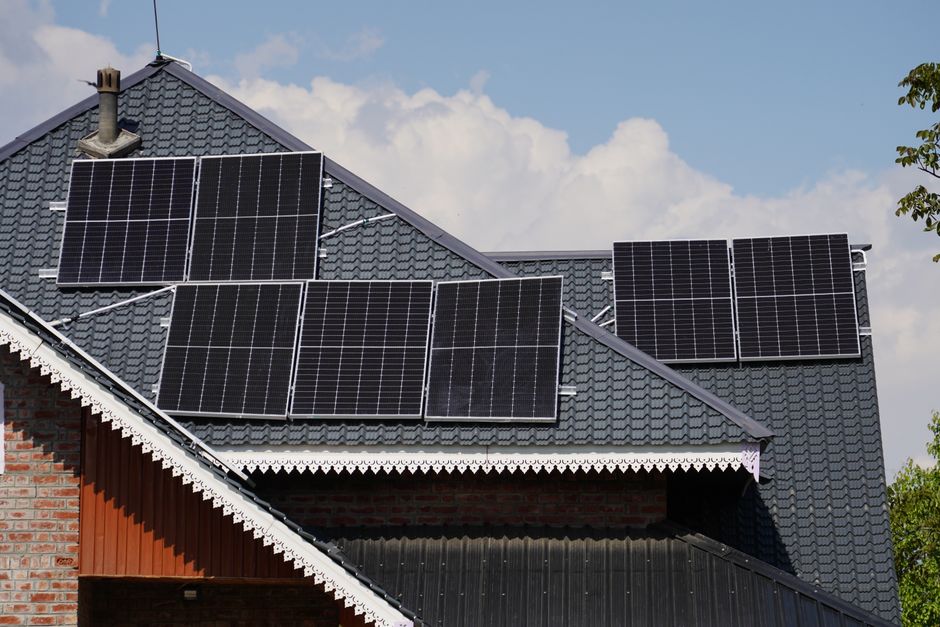
Your roof absorbs a lot of heat from the sun. On a hot day the surface can reach 150°F or more. That heat moves into your home making your AC work harder. You can reduce roof heat by reflecting sunlight with cool roof coatings adding insulation improving attic ventilation and installing radiant barriers. These methods work because they stop heat before it enters your living space. Some are cheap and simple. Others cost more upfront but save more over time.
What Causes A Roof To Heat Up So Much?
Dark roofing materials absorb sunlight. Asphalt shingles are the most common example. They can absorb 80 to 90 percent of the solar energy that hits them. That energy turns into heat. The roof surface gets hot. Then that heat conducts through the roofing layers into the attic and then into your home.
Sunlight contains visible light and infrared radiation. Dark surfaces absorb both. Light colored surfaces reflect more of them. The difference between a black roof and a white roof on the same house can be 50 to 60 degrees Fahrenheit on a sunny afternoon. That is not a small difference. That is the difference between a comfortable upstairs and an oven.
Building materials also matter. Metal roofs reflect more heat than asphalt by nature but they can still transfer heat into the attic if not insulated underneath. Tile roofs have some natural insulation value because of the air gap below them. But no roof material alone solves the heat problem. You need a system of reflection insulation and ventilation working together.
How To Reduce Roof Heat And Keep Your Home Cool With Cool Roof Coatings
A cool roof coating is a specialized paint or covering that reflects more sunlight than standard roofing. The United States Department of Energy has studied these coatings for years. They report that a cool roof can reduce roof surface temperature by up to 50 degrees Fahrenheit. That is a real measurable effect not marketing hype.
Cool roof coatings come in white and other light colors. Some are elastomeric meaning they stretch and seal cracks. You apply them with a roller or sprayer over existing roofing. The coating contains reflective pigments that bounce infrared light away. Standard white paint does some of this but not as effectively. Cool roof coatings are made specifically for this job.
The main downside is that they require a clean dry surface to stick well. If your roof is dirty or has loose granules the coating may peel within a year. You also need to check that your roof warranty allows coatings. Some shingle manufacturers void warranties if you apply a coating over their product. Always check before you buy.
Cost varies by roof size and product quality. Expect to pay between 50 cents and 1 dollar per square foot for materials. Professional application adds labor. Many homeowners in hot climates report that their upstairs rooms become noticeably cooler within a few days of application. The coating also extends roof life by reducing thermal stress on the shingles.
Does Attic Insulation Actually Help With Roof Heat?
Yes but only if you understand what insulation does and does not do. Insulation slows the movement of heat through a surface. It does not stop heat from entering the attic. It stops heat from moving from the attic into your living space. That is a crucial distinction.
The Department of Energy recommends attic insulation with an R-value between R-38 and R-60 depending on your climate zone. R-value measures resistance to heat flow. Higher numbers mean more resistance. Most older homes have less than R-30 in the attic. Adding more insulation is one of the most cost effective home energy upgrades you can do.
But insulation alone cannot fix a roof heat problem. If your attic gets extremely hot the insulation will eventually absorb that heat and transfer it downward over time. Think of it like a slow leak. Insulation buys you time but it cannot keep the heat out forever. You still need to reduce the heat load on the roof itself. Insulation works best as part of a combined strategy.
Fiberglass batts are the cheapest option. Blown-in cellulose is better for filling gaps. Spray foam gives the highest R-value per inch but costs more and requires professional installation. Each type works differently with attic ventilation so do not choose insulation without considering airflow first.





Does Attic Ventilation Make A Real Difference?
Attic ventilation removes hot air from the space between your roof and your ceiling. Without ventilation that air stays trapped and the heat builds up. With proper ventilation hot air exits through ridge vents or gable vents while cooler air enters through soffit vents. This creates a natural airflow that pushes heat out before it can soak into your ceiling.
Research from the Florida Solar Energy Center found that proper attic ventilation can reduce attic air temperature by 10 to 25 degrees Fahrenheit. That is significant. It directly reduces the temperature difference that drives heat flow into your home. Less temperature difference means less heat moving through your ceiling insulation.
The common rule is one square foot of vent opening for every 150 square feet of attic floor area. Half of that should be intake vents near the bottom and half should be exhaust vents near the top. Many homes have enough exhaust vents but not enough intake vents. That creates negative pressure which pulls conditioned air out of your home through ceiling cracks. That wastes energy and money.
Powered attic fans seem like a good idea but they often create more problems than they solve. They can pull air from your living space making your AC run longer. Many building science experts advise against them unless you have a specific moisture problem. Passive ventilation with properly sized vents works better for most homes.
What Is A Radiant Barrier And Should You Install One?
A radiant barrier is a reflective material usually aluminum foil that blocks radiant heat transfer. Unlike insulation which slows conductive heat flow a radiant barrier reflects infrared radiation back toward the roof. This is a different mechanism entirely. The two work together not against each other.
Radiant barriers are installed on the underside of the roof deck or laid across the attic floor. The reflective side must face an air gap to work. If it touches another surface it conducts heat instead of reflecting it. This is the most common installation mistake. People staple it flat against the roof deck and then wonder why it does not work.
The Department of Energy estimates that radiant barriers can reduce cooling costs by 5 to 10 percent in warm climates. That is modest but real. They work best in hot sunny regions where the attic gets direct sun exposure for many hours. In cooler climates the benefit is smaller because there is less radiant heat to block.
Installation cost is roughly 30 to 50 cents per square foot for materials. You can install it yourself if you are comfortable working in an attic. Wear a mask and long sleeves. Attics are dusty and the fiberglass insulation is irritating to skin and lungs. If you hire a contractor expect labor to double the total cost.
| Method | Upfront Cost | Cooling Savings | DIY Difficulty | Lifespan |
|---|---|---|---|---|
| Cool roof coating | Medium | 10-20% | Moderate | 5-10 years |
| Attic insulation upgrade | Medium-High | 10-15% | Difficult | 20-30 years |
| Attic ventilation improvement | Low-Medium | 5-15% | Moderate | Permanent |
| Radiant barrier | Low-Medium | 5-10% | Moderate | Permanent |
| Cool roof shingles | High | 10-20% | Professional only | 20-30 years |
What Common Mistakes Make Roof Heat Worse?
Many people try to reduce roof heat and accidentally make things worse. One common mistake is sealing attic vents thinking it will keep hot air out. That does the opposite. It traps heat inside. Attics need airflow. Blocking vents raises attic temperature and increases cooling costs.
Another mistake is installing dark colored roof coatings. Some homeowners choose a dark cool roof coating thinking it will still reflect heat. Dark coatings do reflect some infrared radiation but much less than light colors. The Energy Star program certifies cool roof products and requires a minimum solar reflectance of 0.25 for steep slope roofs. That is achievable with some dark coatings but most fall short. Stick with light colors if cooling is your goal.
Some people also add insulation without checking for air leaks first. Air leaks bypass insulation completely. Warm attic air can flow directly into your home through gaps around pipes wires and recessed lights. Seal those gaps before adding insulation. Otherwise you are insulating a leaky box and wondering why it still feels hot upstairs.
Finally do not assume a new roof solves the heat problem. Standard asphalt shingles even new ones absorb most of the sunlight that hits them. You need to specifically choose cool roof shingles or add a reflective coating. A new roof in the same dark color will perform exactly the same as the old one.
Does A Green Roof Or Living Roof Reduce Heat?
A green roof has soil and plants growing on top of your roof. It reduces heat through a combination of shading evaporation and insulation. The soil layer blocks sunlight. The plants release moisture which cools the air around them. Studies from the University of Toronto found that green roofs can reduce roof surface temperature by 30 to 40 degrees Fahrenheit compared to a conventional roof.
But green roofs have serious practical limits for most homes. They are heavy. A wet green roof can add 15 to 30 pounds per square foot. Most residential roofs are not built to carry that weight. You would need structural reinforcement which costs thousands of dollars. They also require ongoing maintenance including watering weeding and fertilizing.
For most homeowners a cool roof coating or reflective shingles is a more practical solution. Green roofs make sense for flat commercial buildings with strong roof structures. For a typical sloped residential roof the cost and complexity outweigh the cooling benefit. Some people report that their green roof helps with stormwater management and looks nice but the evidence for significant cooling in a home setting is limited to specific building types.
What Is The Best Order To Do These Upgrades?
Start with the cheapest fix that gives the biggest result. That is usually attic ventilation. Check that your soffit vents are not blocked by insulation. Make sure you have enough ridge vent or gable vent to let hot air escape. This fix costs little and can make an immediate difference.
Next add or improve attic insulation. This is the most reliable way to reduce heat transfer into your home. Aim for R-49 or higher. Blown-in cellulose is a good choice because it fills gaps better than batts. If you have air leaks seal them before adding insulation.
Third consider a radiant barrier if you live in a hot climate and your attic gets direct sun. Install it correctly with an air gap facing the roof deck. This step adds benefit on top of insulation because they work through different mechanisms.
Finally apply a cool roof coating or replace your roof with cool roof shingles when it is time for a new roof. This is the most expensive step but it addresses the root cause of roof heat. It keeps the roof surface cooler which reduces heat load on everything underneath. If you can afford only one thing make it attic insulation and ventilation. If you can do two things add a cool roof coating on top.
- Check attic ventilation first – it costs the least
- Seal air leaks before adding insulation
- Install radiant barrier only if attic gets direct sun
- Apply cool roof coating when roof is clean and dry
- Replace roof with cool shingles only when due for replacement
Frequently Asked Questions
Does painting my roof white really keep my house cooler?
Yes white or light colored roof coatings reflect more sunlight than dark roofs. Studies show this can lower roof surface temperature by up to 50 degrees and reduce cooling costs by 10 to 20 percent.
How much does it cost to install a cool roof coating?
Materials cost between 50 cents and 1 dollar per square foot. Professional installation adds labor costs which vary by region. A typical home roof costs 500 to 1500 dollars total.
Is attic insulation or ventilation more important for roof heat?
Ventilation removes hot air from the attic space while insulation blocks heat from moving into your home. Both are important but ventilation is cheaper and should be done first if your attic has poor airflow.
Can I install a radiant barrier myself?
Yes radiant barriers are sold in rolls and can be stapled to the underside of the roof deck. You need an air gap facing the reflective side. Wear protective gear because attics contain dust and insulation fibers.
