
Blood pressure that reads lower than usual is common, and in many people it means nothing at all. The medical term for low blood pressure is hypotension, and it is generally defined as a reading below 90/60 mmHg. The key question is not the number itself but whether you have symptoms — dizziness, fainting, fatigue, or blurry vision — because low pressure with no symptoms is often normal for that person. When symptoms do appear, the causes range from dehydration and medications to heart problems and nervous system conditions.
What Counts as Low Blood Pressure?
A blood pressure reading has two numbers. The top number (systolic) measures the force when your heart beats. The bottom number (diastolic) measures the force between beats, while the heart rests.
Normal blood pressure is generally considered to be below 120/80 mmHg. Low blood pressure is typically defined as below 90/60 mmHg. But these are reference points, not rules that apply identically to everyone.
For some people — particularly young, small-framed adults, athletes, and people who are physically fit — readings of 85/55 mmHg can be entirely normal. Their bodies have adapted to that range. They feel fine. No treatment is needed.
The distinction that matters in clinical practice is whether low pressure causes symptoms. A number alone rarely drives a diagnosis. Doctors look at the pattern, the symptoms, and the context together.
When Does Low Blood Pressure Become a Concern?
Low blood pressure becomes a concern when it drops suddenly, when it causes symptoms, or when it signals an underlying condition. A reading that has always been low and causes no problems is not a medical issue. A reading that drops from 130/85 to 85/55 over a few days tells a very different story.
Symptoms that suggest low pressure is causing a problem include:
- Dizziness or lightheadedness, especially when standing up
- Fainting (syncope)
- Blurred or fading vision
- Fatigue or weakness
- Difficulty concentrating
- Nausea
- Cold, clammy, pale skin
- Rapid or shallow breathing
When several of these appear together after a drop in blood pressure, that is a reason to seek medical attention promptly.
Why Would My Blood Pressure Be Low Key Causes?
The causes of low blood pressure fall into a few broad categories. Dehydration and blood loss reduce the volume of fluid in your blood vessels, which lowers pressure. Heart conditions affect how effectively the heart pumps. Endocrine problems alter hormone signals that regulate blood vessel tone. Medications frequently lower blood pressure as a side effect. Nervous system disorders can interfere with the reflexes that keep pressure stable when you change position.
Identifying the cause usually starts with timing. Did the reading drop after a medication change? After an illness with vomiting or diarrhea? After standing up? Each pattern points toward a different mechanism.
What Medical Conditions Cause Low Blood Pressure?
Several conditions can produce low blood pressure. The list below covers the most established causes.
Dehydration is one of the most common. When you lose more fluid than you take in — through vomiting, diarrhea, fever, heavy sweating, or simply not drinking enough — blood volume drops. Less volume in the vessels means lower pressure.
Blood loss from injury, surgery, or internal bleeding reduces blood volume in the same way. Significant blood loss can cause a dangerous drop in pressure.
Heart problems that affect low blood pressure include very slow heart rate (bradycardia), heart valve disease, heart attack, and heart failure. When the heart cannot pump enough blood, pressure falls.
Endocrine conditions such as hypothyroidism, adrenal insufficiency (Addison’s disease), and low blood sugar can all lower blood pressure. Hormones from the thyroid and adrenal glands help regulate blood vessel tone and fluid balance.
Severe infection (sepsis) can cause blood pressure to drop dangerously. This is a medical emergency.
Anaphylaxis — a severe allergic reaction — causes sudden, dangerous drops in blood pressure along with swelling and breathing difficulty. This is also an emergency.
Nutritional deficiencies can contribute. Low levels of vitamin B12 and folate can cause anemia, which reduces the blood’s ability to carry oxygen and can lower pressure. Some research also suggests that low vitamin D levels may be associated with low blood pressure, though the relationship is not fully established.
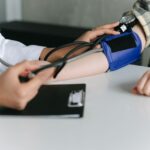

Can Medications Lower Your Blood Pressure Too Much?
Yes. Medication is one of the most frequent causes of low blood pressure, especially in adults over 60.
Common categories that can lower pressure include:
- Diuretics (water pills), which reduce fluid volume
- Alpha blockers, beta blockers, and calcium channel blockers
- ACE inhibitors and angiotensin II receptor blockers (ARBs)
- Some antidepressants, including tricyclics and monoamine oxidase inhibitors
- Parkinson’s disease medications
- Erectile dysfunction drugs, particularly when combined with nitrates
- Some antipsychotics and sedatives
The combination of multiple blood pressure medications is a common reason pressure drops too low. This is why doctors monitor readings after starting or adjusting any of these drugs.
If you suspect a medication is causing low pressure, do not stop taking it on your own. Call your doctor. Abruptly stopping certain medications — particularly beta blockers — can cause serious problems.
What Is Orthostatic Hypotension?
Orthostatic hypotension is a drop in blood pressure that happens when you stand up from sitting or lying down. It is defined as a fall of at least 20 mmHg in systolic pressure or 10 mmHg in diastolic pressure within three minutes of standing.
Normally, when you stand, your body compensates. Blood vessels narrow slightly, heart rate increases, and pressure stays stable. In orthostatic hypotension, that reflex is too slow or too weak. Blood pools in the legs, and pressure drops.
Symptoms include lightheadedness, dizziness, blurred vision, and sometimes fainting — usually within seconds to a few minutes of standing.
Common causes of orthostatic hypotension include:
- Dehydration
- Prolonged bed rest
- Medications (especially those listed above)
- Nervous system disorders such as Parkinson’s disease and diabetic neuropathy
- Heart conditions
- Age-related changes in blood pressure regulation
It becomes more common with age. Estimates vary, but some research suggests it affects a meaningful share of older adults, particularly those over 70.
When Should You See a Doctor?
See a doctor if you have symptoms that suggest low blood pressure is affecting your daily life. That includes fainting, repeated dizziness, vision changes, or fatigue that interferes with normal activities.
Seek emergency care if low blood pressure is accompanied by:
- Confusion or loss of consciousness
- Chest pain
- Shortness of breath
- Severe bleeding
- Signs of shock — cold, clammy skin, rapid breathing, weak pulse
These signs suggest a serious underlying cause that needs immediate evaluation.
For milder cases, a doctor may check your blood pressure in different positions, review your medications, order blood tests, and possibly run a heart test such as an electrocardiogram. The goal is to find the cause, not just treat the number.
How Is Low Blood Pressure Treated?
Treatment depends entirely on the cause. If there are no symptoms, treatment is usually not needed.
When treatment is necessary, doctors may recommend:
- Drinking more water to increase blood volume
- Increasing salt intake (only under medical supervision)
- Wearing compression stockings to reduce blood pooling in the legs
- Adjusting or changing medications that lower pressure
- Treating the underlying condition — such as anemia, infection, or heart problems
- Medications to raise blood pressure in specific cases, such as fludrocortisone or midodrine
Some clinicians also recommend eating smaller, more frequent meals for people whose pressure drops after eating — a condition called postprandial hypotension. The evidence for this approach is reasonable but not as strong as for other measures.
No single treatment works for everyone. What helps depends on why the pressure is low in the first place.
Does Low Blood Pressure Ever Cause Long-Term Harm?
For most people with naturally low blood pressure and no symptoms, there is no long-term harm. In fact, population studies have generally found that lower blood pressure within the normal range is associated with better cardiovascular outcomes than higher pressure.
The picture changes when low pressure is a sign of another problem. Untreated orthostatic hypotension raises the risk of falls and fractures, especially in older adults. Chronically low pressure from heart failure, adrenal insufficiency, or severe anemia can affect organ function over time.
The long-term outlook depends on the cause. When the underlying issue is treated, the pressure often normalizes and the risk resolves.
Frequently Asked Questions
Is 90/60 a dangerously low blood pressure?
Not by itself. A reading of 90/60 mmHg is at the threshold for low blood pressure, but if you feel fine and it is your usual reading, it is generally not dangerous. Danger comes from a sudden drop or from symptoms like fainting or confusion.
Can dehydration cause low blood pressure?
Yes. Dehydration reduces the volume of fluid in your blood vessels, which lowers pressure. This is one of the most common and most reversible causes of low blood pressure.
What should I do if my blood pressure drops when I stand up?
Stand up slowly and sit or lie down if you feel dizzy. Tell your doctor, because this pattern — orthostatic hypotension — can have several causes, including medications and dehydration, that need to be evaluated.
Can low blood pressure be a sign of something serious?
Sometimes. Low pressure can signal heart problems, severe infection, blood loss, or endocrine disorders. If it comes with chest pain, shortness of breath, confusion, or fainting, seek emergency care.
