

Most people know they should wash their hands, yet many skip it or do it poorly. Studies consistently show that only a small percentage of people wash their hands properly after using the bathroom, and even fewer do so before preparing food. The reasons range from simple forgetfulness to genuine misunderstandings about how germs spread. The fix involves making handwashing easier, more convenient, and more automatic, while correcting the false beliefs that lead people to skip it in the first place.
Why Do People Skip Handwashing So Often?
Research into hand hygiene behavior points to several consistent factors. Time pressure is one of the biggest. People in a hurry often assume a quick rinse is good enough, or they skip washing entirely when they feel rushed.
Another major factor is the “visible dirt” myth. Many people only wash their hands when they can see visible grime. But most harmful germs are invisible to the naked eye. A person who just touched a doorknob after someone with a cold coughed into their hand sees nothing, so they feel no need to wash.
Location matters too. People are far more likely to wash their hands at home than in public restrooms. Public facilities with poorly maintained sinks, missing soap, or uncomfortable conditions discourage proper hygiene. Studies have found that people are less likely to wash in restrooms they perceive as dirty, which is the opposite of what should happen.
What Actually Happens When You Skip Handwashing?
Your hands pick up germs constantly. Every surface you touch — phones, keyboards, door handles, handrails, food packaging — carries bacteria and viruses. When you touch your face, which people do dozens of times per hour, those germs enter your body through your eyes, nose, or mouth.
The most common illnesses spread by unwashed hands include colds, flu, and stomach infections like norovirus. Foodborne illness is another major risk. A food worker who does not wash hands after using the bathroom can transfer fecal bacteria to the food they prepare, which is how many outbreaks of salmonella and E. coli begin.
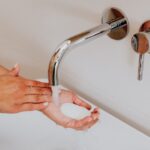
Handwashing with plain soap and water is one of the most effective ways to prevent these infections. Soap does not kill germs directly. It lifts them off your skin, and the mechanical action of rubbing your hands together dislodges them from the skin’s surface. Running water then washes them away.
How Long Should You Actually Wash Your Hands?
The Centers for Disease Control and Prevention recommends washing for at least 20 seconds. That is roughly the time it takes to sing “Happy Birthday” twice. The entire process — wetting, lathering, scrubbing, rinsing, and drying — should take about that long.
Friction matters more than most people realize. Scrubbing all surfaces of your hands — palms, backs, between fingers, and under nails — is what actually removes germs. A quick splash of water without soap does very little. Soap is essential because it breaks down the oils and fats on your skin where germs cling.
Hand sanitizer is a reasonable alternative when soap and water are not available, but it is not a perfect substitute. Sanitizer needs to contain at least 60% alcohol to be effective against most germs. It also does not work well when hands are visibly dirty or greasy, and it does not remove certain chemicals or heavy metals the way soap and water do.



What Are the Real Barriers to Better Hand Hygiene?
Convenience is the foundation of hand hygiene. Sinks that are hard to reach, soap dispensers that are empty, or paper towel dispensers that are broken all discourage washing. Facilities that make handwashing easy see higher compliance rates.
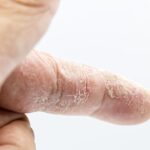
Skin irritation is a genuine barrier for some people. Frequent washing can dry out hands, especially in cold weather or for healthcare workers who wash dozens of times per shift. Using moisturizer after washing helps, but some people simply avoid washing to avoid the discomfort.
There is also a social dimension. People tend to overestimate how often they wash their hands. In surveys, most people report washing after using the bathroom, but direct observation studies tell a different story. The gap between what people say and what people do is significant.
How to Make Handwashing a Habit That Sticks
Habit formation research shows that linking a new behavior to an existing routine makes it stick. Attach handwashing to something you already do without thinking. Wash your hands immediately after arriving home from work, before you touch your phone, or right after you enter the kitchen. The cue triggers the behavior until it becomes automatic.
Make the environment work for you. Keep soap at every sink in your home, including the kitchen. Place hand sanitizer on your desk, in your car, and in your bag. When the barrier to hand hygiene is low, you are far more likely to do it.
For parents, modeling matters more than reminding. Children learn hand hygiene by watching adults. If you wash your hands consistently and correctly, your children are far more likely to adopt the habit themselves. Making handwashing fun — singing a short song, using scented soaps, or counting to 20 — helps younger children build the routine.
For public facilities, the fix is institutional. Restaurants, schools, and workplaces that maintain clean restrooms, keep dispensers stocked, and post clear reminders see better hand hygiene compliance. Some studies suggest that signs with images of germs are more effective than simple text reminders.
Does Handwashing Really Prevent Illness?
Yes, the evidence is strong. Handwashing with soap reduces the risk of diarrheal diseases by a significant margin, and it reduces respiratory infections like colds and flu as well. A review of multiple studies published in the Cochrane Database of Systematic Reviews found that handwashing consistently reduces respiratory infections in community settings.
During the COVID-19 pandemic, hand hygiene became a central public health message for a reason. While respiratory viruses spread primarily through airborne droplets, hand contact with contaminated surfaces still plays a role in transmission. Washing your hands after being in public spaces and before touching your face is a simple, effective layer of protection.
The evidence is less clear for antimicrobial soaps. Plain soap and water works just as well as antibacterial soap for everyday use in homes and public spaces. The Food and Drug Administration has ruled that certain antibacterial ingredients, like triclosan, are not more effective than plain soap and may pose unnecessary risks. There is no need to buy special antibacterial soap for routine handwashing.
When Is Handwashing Most Critical?
Some moments matter more than others. The CDC identifies key times when handwashing is especially important: before, during, and after preparing food; before eating; after using the bathroom; after blowing your nose, coughing, or sneezing; after touching animals or animal waste; and after caring for someone who is sick.
Food handling deserves special attention. Raw meat, poultry, and eggs can carry pathogens that cause serious foodborne illness. Washing your hands before and after handling these foods prevents cross-contamination to other surfaces and foods in your kitchen.
Caregiving is another high-risk situation. If you are caring for a sick child or adult, handwashing before and after contact reduces the chance of spreading the illness to yourself or others in the household. This is especially important for people with weakened immune systems, young children, and older adults.
Why People Dont Wash Their Hands And How To Fix It
The core problem is that handwashing is a private, invisible behavior that people do not see others doing. Unlike wearing a seatbelt, there is no social pressure to wash your hands, and the consequences of skipping it are delayed and invisible. You do not get sick immediately after skipping one handwash, so the behavior does not feel risky.
The fix combines several strategies. Education that focuses on the invisible nature of germs helps correct the “visible dirt” misconception. Environmental changes that make handwashing effortless — stocked soap dispensers, accessible sinks, hand sanitizer nearby — remove the practical barriers. And habit formation techniques, like linking handwashing to existing routines, make the behavior automatic rather than deliberate.
For most people, the single most effective change is simply washing more often and washing longer. Twenty seconds of scrubbing with plain soap removes the vast majority of germs from your hands. It takes almost no time, costs almost nothing, and prevents a substantial amount of illness. The evidence is clear: handwashing is one of the cheapest and most effective health interventions available.
Frequently Asked Questions
Does hand sanitizer work as well as handwashing?
No, handwashing with soap and water is more effective, especially when hands are visibly dirty or greasy. Hand sanitizer with at least 60% alcohol is a good backup when soap and water are not available.
How long should I wash my hands to kill germs?
Scrub all surfaces of your hands for at least 20 seconds. Soap does not kill germs; the friction of scrubbing removes them, and water rinses them away.
Is antibacterial soap better than regular soap?
No, plain soap and water works just as well for everyday handwashing. The FDA has determined that certain antibacterial ingredients are not more effective than plain soap and may carry unnecessary risks.
Can washing hands too often be harmful?
Frequent washing can dry out and irritate skin, especially in cold weather. Using moisturizer after washing helps, but the health benefits of handwashing far outweigh the risk of skin dryness.
