
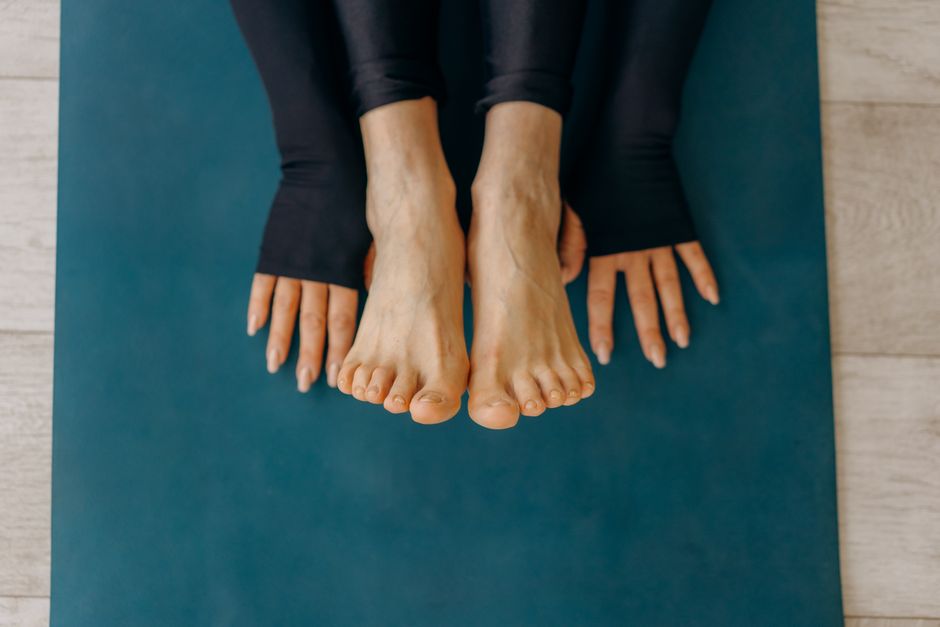
If your feet and hands are always cold, the most common reason is your body’s normal response to keep your core warm. When your body senses a drop in temperature, it tightens blood vessels in your hands and feet to send more warm blood to your vital organs. For most people, this is harmless and temporary. But for some, persistently cold hands and feet can signal an underlying health condition that needs attention.
What Causes Cold Hands and Feet in Most People?
Your body has a built-in survival system. When you get cold, blood vessels in your extremities constrict. This is called vasoconstriction. It is a reflex that reduces blood flow to your skin and limbs, keeping heat inside your chest and brain.
This is why your fingers and toes get cold first. They are the farthest from your heart. The blood that reaches them has already cooled down slightly. In cold weather or air-conditioned rooms, this effect is stronger. People with lower body fat or slower metabolisms often notice it more.
Stress and anxiety can also trigger vasoconstriction. When you are nervous, your body releases adrenaline. This hormone can tighten blood vessels in your hands and feet. Some people notice cold fingers during a tense meeting or before a big presentation.
When Could It Be a Circulation Problem?
Persistent coldness in just one hand or one foot is more concerning than both being cold. If only one side is affected, it may point to a blocked blood vessel or a structural issue. This is worth checking with a doctor.
Peripheral artery disease (PAD) is one condition that reduces blood flow to the limbs. According to the CDC, about 6.5 million Americans over age 40 have PAD. It happens when plaque builds up in the arteries. Cold feet, leg pain when walking, and slow-healing sores are common signs.
Raynaud’s phenomenon is another cause. It affects about 5 percent of the U.S. population. In Raynaud’s, small blood vessels in the fingers and toes overreact to cold or stress. The skin turns white or blue, then red as blood flow returns. This condition is more common in women and people who live in colder climates.
Raynaud’s can be “primary,” meaning it happens on its own with no known cause. Or it can be “secondary,” linked to other conditions like lupus or scleroderma. Secondary Raynaud’s is more serious and usually appears later in life.
What Do Anemia and Thyroid Problems Have to Do With It?
Anemia means your blood has fewer red blood cells or less hemoglobin than normal. Hemoglobin carries oxygen to your tissues. When oxygen delivery is low, your body may reduce blood flow to your hands and feet to protect your brain and heart.
Research published in the American Journal of Medicine found that iron deficiency anemia is linked to cold intolerance. People with anemia often feel cold even in warm rooms. They may also feel tired, dizzy, or short of breath.
Hypothyroidism, or an underactive thyroid, slows down your metabolism. Your thyroid gland controls how fast your body uses energy. When it is underactive, your body produces less heat. According to the American Thyroid Association, hypothyroidism affects about 5 percent of Americans, with another 5 percent undiagnosed. Cold hands and feet are a common early symptom.
Both conditions are easily diagnosed with a simple blood test. If you have other symptoms like fatigue, weight gain, or pale skin, it is worth asking your doctor to check your thyroid and iron levels.





Why Are Your Feet And Hands Always Cold? The Role of Nerves and Medications
Nerve damage, or peripheral neuropathy, can make your hands and feet feel cold even when they are warm to the touch. This happens because damaged nerves send wrong signals to your brain. You feel cold, but your skin temperature is normal.
Diabetes is the most common cause of peripheral neuropathy in the United States. According to the National Institute of Diabetes and Digestive and Kidney Diseases, about half of people with diabetes develop some form of nerve damage. If you have diabetes and your feet feel cold, it may be nerve-related rather than circulation-related.
Certain medications can also cause cold extremities. Beta-blockers, which are used for high blood pressure and heart conditions, can slow your heart rate and reduce blood flow to your hands and feet. Some chemotherapy drugs and migraine medications have similar effects. If you started a new medication and noticed cold hands or feet afterward, talk to your doctor rather than stopping the drug.
What Actually Helps Warm Up Cold Hands and Feet?
The simplest fix is to warm your core. When your torso is warm, your body does not need to restrict blood flow to your extremities. Wearing a warm vest or sweater often helps more than thick socks alone.
Movement is another effective strategy. Walking, stretching, or even wiggling your fingers and toes gets blood moving. Your muscles generate heat when they work, and muscle contractions help pump blood back toward your heart.
Here are some practical steps that have evidence behind them:
- Warm socks and gloves made of wool or fleece trap heat better than cotton. Cotton holds moisture and can make you colder.
- Hand warmers or heated gloves work well for Raynaud’s. Reusable gel packs are a safer option than chemical ones for daily use.
- Avoid tight jewelry or watches on your wrists and ankles. They can restrict blood flow further.
- Stop smoking if you smoke. Nicotine constricts blood vessels and makes cold hands and feet worse. The CDC states that smoking is the leading cause of preventable circulation problems.
- Stay hydrated. Dehydration thickens your blood slightly, making it harder for your heart to push blood to your fingers and toes.
Some people report that magnesium supplements help, but strong evidence is limited. One small study found that magnesium oxide improved Raynaud’s symptoms in some people, but larger studies are needed. If you try supplements, tell your doctor first.
Common Misconceptions About Cold Hands and Feet
A common myth is that cold hands and feet mean you have “bad circulation” that will lead to a heart attack. For most people, this is not true. Cold extremities are usually a normal response to temperature, not a sign of heart disease.
Another myth is that drinking alcohol warms you up. Alcohol actually dilates blood vessels near your skin, which makes you feel warmer briefly. But it also causes your body to lose heat faster. After the initial flush, your core temperature drops. This is why people who drink alcohol in cold weather are at higher risk for hypothermia.
Some people believe that eating spicy foods will permanently improve circulation. Capsaicin, the compound in chili peppers, does increase blood flow temporarily. But the effect lasts only a few minutes and does not change your baseline circulation.
Here is a comparison of common remedies and what the evidence says:
| Remedy | What People Claim | What Evidence Shows |
|---|---|---|
| Iron supplements | Warms hands and feet | Helps only if you have iron deficiency anemia |
| Ginger tea | Improves circulation | Some studies suggest mild blood-thinning effect, but not strong enough for cold extremities |
| Fish oil | Reduces Raynaud’s attacks | Mixed evidence. Some small studies show benefit, others show none |
| Exercise | Warms extremities | Strong evidence. Improves circulation and heat production |
| Warm baths | Relieves coldness | Effective but temporary. Do not use very hot water if you have nerve damage |
When Should You See a Doctor?
If your cold hands and feet are new, getting worse, or only on one side, see a doctor. Also seek medical advice if you have any of these signs:
- Pain or numbness in your fingers or toes
- Skin color changes (white, blue, or red patches)
- Sores or blisters that heal slowly
- Fatigue, weight gain, or feeling cold all over
- A history of smoking or diabetes
A primary care doctor can start with basic blood tests. They may check your hemoglobin, thyroid hormone, and blood sugar levels. If Raynaud’s is suspected, they might refer you to a rheumatologist. If a blocked artery is possible, a vascular specialist can do an ultrasound of your blood vessels.
Most cases of cold hands and feet are not dangerous. But ignoring new or worsening symptoms can delay treatment for conditions that are easier to manage when caught early.
Frequently Asked Questions
Can anxiety cause cold hands and feet?
Yes. Anxiety triggers adrenaline release, which constricts blood vessels in your extremities. This is temporary and stops when you calm down.
Are cold hands a sign of heart problems?
Not usually. Heart problems more often cause chest pain, shortness of breath, or fatigue. Cold hands alone are rarely a sign of heart disease.
Does low blood pressure cause cold extremities?
Some people with very low blood pressure notice cold hands and feet. This happens because less force pushes blood to your fingers and toes.
Can dehydration make your hands and feet cold?
Yes. When you are dehydrated, your blood volume drops slightly. Your body prioritizes core organs over extremities, which can make hands and feet feel cold.
