
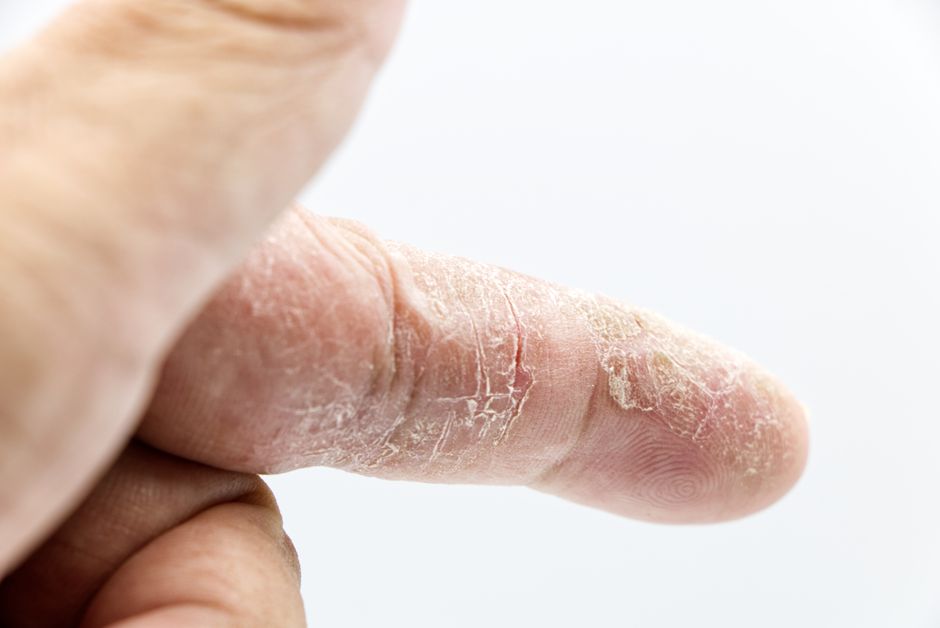
You wash your hands several times a day. You use hand sanitizer. And yet your hands look scaly, dry, and rough. It is a common problem that often has a simple explanation. The top causes are dry air, harsh soaps, frequent hand washing, and skin conditions like eczema or psoriasis. Treatment usually means changing your hand care routine and using the right moisturizers.
What Causes Scaly Hands in the First Place?
Scaly skin on your hands happens when the outer layer of skin loses moisture and natural oils. This layer, called the stratum corneum, acts like a brick wall. The skin cells are bricks. Natural oils are the mortar that holds them together. When the mortar dries out, the bricks crack and flake.
The most common cause is environmental. Cold winter air has very little moisture. Indoor heating makes it worse. Your hands take the brunt of this because they are exposed all day. Research from the American Academy of Dermatology shows that low humidity directly damages the skin barrier.
Frequent hand washing strips away natural oils. Soap is designed to remove dirt and grease. It cannot tell the difference between dirt on your hands and the protective oils your skin needs. Healthcare workers and parents of young children often develop scaly hands for this reason alone.
Is It Just Dry Skin or Is It a Skin Condition?
Simple dry skin, also called xerosis, usually improves with moisturizer. The skin feels tight and looks flaky but does not have red patches or intense itching. If your hands improve after a few days of consistent moisturizing, that is likely all it was.
Eczema, or hand dermatitis, is different. It causes red, itchy, inflamed skin that may crack and even blister. The National Eczema Association reports that about 10 percent of people in the US have hand eczema at some point. It often starts from irritants like cleaning products or nickel in jewelry.
Psoriasis is another possibility. It creates thick, silvery scales on raised red patches. Unlike eczema, psoriasis scales are more defined and often appear on the knuckles and palms. If you have psoriasis elsewhere on your body, your hands are likely part of the same condition.
Fungal infections can also cause scaling. Ringworm of the hand, called tinea manuum, usually affects one hand only. It creates a ring-shaped rash with a raised border. If only one hand is scaly and the other looks normal, a fungus is more likely than eczema.
What Actually Works for Treatment?
Treatment depends entirely on the cause. For simple dry skin, the fix is straightforward. Use a thick cream or ointment instead of a thin lotion. Lotions contain more water and evaporate quickly. Creams and ointments have more oil and stay on the skin longer.
Apply moisturizer immediately after washing your hands. This traps the water that is still on your skin. If you wait even 30 seconds, some of that moisture has already evaporated. The American Academy of Dermatology recommends ointments like petroleum jelly for severely dry hands.
For eczema, moisturizing alone may not be enough. You may need a topical steroid cream prescribed by a doctor. Over-the-counter hydrocortisone works for mild cases but should not be used for more than two weeks at a time. Stronger steroids require a prescription.
For psoriasis, treatments include vitamin D creams, topical steroids, and light therapy. A dermatologist can help match the treatment to how severe your case is. Mild psoriasis may respond to over-the-counter coal tar products.
For fungal infections, antifungal creams are the standard treatment. These are available over the counter for mild cases. Prescription antifungals are needed for stubborn infections. Treatment usually takes several weeks even after the skin looks better.
| Condition | Key Signs | First-Line Treatment |
|---|---|---|
| Simple dry skin | Flaking, tightness, no redness | Thick moisturizer after every hand wash |
| Hand eczema | Red, itchy, inflamed, may blister | Moisturizer plus topical steroid |
| Psoriasis | Thick silvery scales, raised patches | Vitamin D cream or topical steroid |
| Fungal infection | Ring-shaped rash, one hand only | Antifungal cream for several weeks |





What Should You Avoid When Your Hands Are Scaly?
Avoid antibacterial soaps. They are harsher than regular soap and do not help dry skin. The FDA has stated that antibacterial soaps are no more effective at preventing illness than plain soap and water. They just strip more oil from your skin.
Avoid alcohol-based hand sanitizers when possible. They kill germs by dissolving the outer layer of germs, but they also dissolve your skin’s protective oils. If you must use sanitizer, choose one with moisturizing ingredients like aloe or glycerin.
Avoid hot water. Hot water removes oils faster than warm water. Wash your hands in lukewarm water instead. This one change alone can make a noticeable difference within a week.
Avoid scented lotions and creams. Fragrances are a common irritant for sensitive skin. The term “fragrance” on an ingredient list can hide dozens of different chemicals. Unscented products labeled “fragrance-free” are safer for scaly hands.
Avoid wearing wet gloves. If your hands are wet inside gloves for more than a few minutes, the skin softens and becomes more vulnerable to damage. Change gloves if they get damp inside.
When Should You See a Doctor About Scaly Hands?
See a doctor if your hands do not improve after two weeks of consistent moisturizing. This suggests something more than simple dry skin. A primary care doctor can often diagnose the issue and prescribe treatment.
See a doctor immediately if the skin cracks deeply and bleeds. Open cracks are a gateway for bacteria. Cellulitis, a skin infection that can spread to the bloodstream, starts this way. Signs of infection include red streaks, warmth, swelling, and pus.
See a dermatologist if you have scaly hands along with joint pain or nail changes. Psoriatic arthritis can start with skin symptoms before joint problems appear. The National Psoriasis Foundation estimates that up to 30 percent of people with psoriasis develop psoriatic arthritis.
See a doctor if only one hand is affected. As mentioned earlier, fungal infections and some nerve-related skin conditions often affect one hand. Bilateral conditions like eczema and psoriasis usually affect both hands symmetrically. A one-handed problem needs a different diagnostic approach.
Why Do My Hands Look Scaly Causes And Treatment Connect to Your Daily Habits?
This is where most people miss the connection. Your hands reflect your daily routines more than any other part of your body. The cause of scaly hands is often hiding in plain sight in your bathroom or kitchen.
Check your hand soap. Many liquid soaps contain sodium lauryl sulfate or sodium laureth sulfate. These are strong detergents that create foam but strip oils aggressively. Switch to a sulfate-free hand wash labeled for sensitive skin.
Check your dish soap. Most dish soaps are designed to cut through grease on plates. They do the same thing to the grease on your hands. Wear rubber gloves with a cotton liner when washing dishes. The cotton liner absorbs sweat and keeps your hands from getting wet.
Check your hand drying method. Paper towels are fine. Air dryers are fine. But rubbing your hands vigorously with a rough towel causes micro-damage to the skin surface. Pat your hands dry instead of rubbing.
Check your environment. If you live in a dry climate or run the heater all winter, your skin loses moisture constantly. A humidifier in your bedroom adds moisture back into the air. This helps your whole body, not just your hands.
Frequently Asked Questions
Can scaly hands be a sign of something serious?
Yes, in rare cases scaly hands can signal thyroid problems, diabetes, or certain vitamin deficiencies. If you have other symptoms like fatigue, weight changes, or dry skin elsewhere, see a doctor for blood work.
How often should I moisturize scaly hands?
Moisturize every time you wash your hands and before bed. For severe dryness, apply moisturizer and then wear cotton gloves overnight to lock it in.
Does drinking more water help scaly hands?
Drinking water helps your overall hydration but does not directly fix the skin barrier on your hands. Topical moisturizers are far more effective for surface dryness.
Can stress cause scaly hands?
Stress does not directly cause dry skin, but it can trigger or worsen eczema and psoriasis flare-ups. Managing stress may help reduce symptom severity.
