
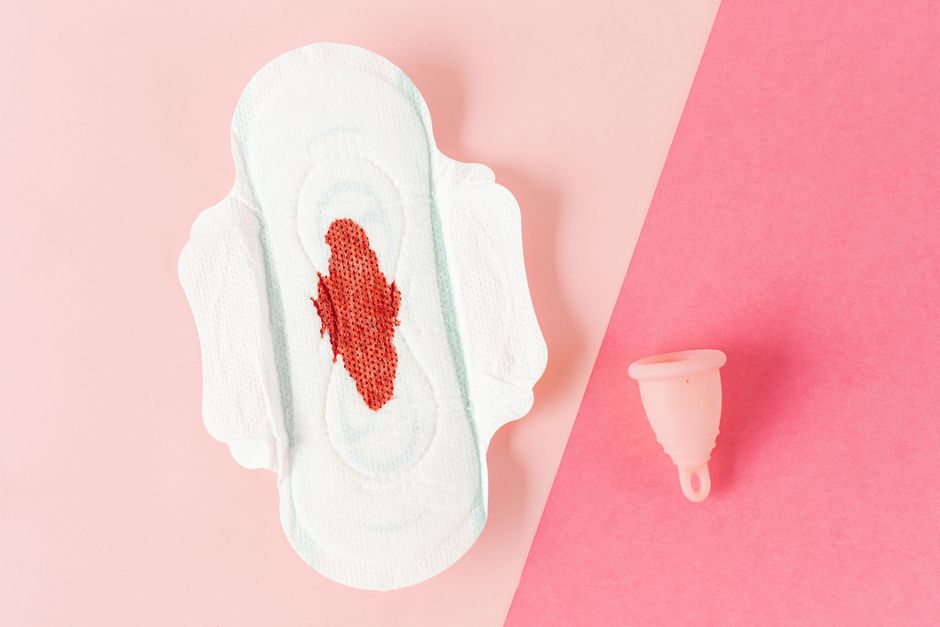
An irregular period is a cycle that falls outside your usual pattern — whether that means the timing varies widely, you skip months entirely, or bleeding is unpredictable. For most adults, a typical cycle runs 21 to 35 days, but the key word is “typical for you.” Irregularity is when your body stops following its own established rhythm. The causes range from everyday stress and weight changes to hormonal conditions like polycystic ovary syndrome (PCOS) or thyroid disease. Understanding why your cycle is irregular starts with looking at the systems that control it — your hormones, your lifestyle, and your overall health.
What Counts as an Irregular Cycle?
Doctors define irregular bleeding in specific ways. A cycle is considered irregular if the length varies by more than 7 to 9 days from one month to the next. Missing three or more periods in a row also counts as irregular, as does bleeding that lasts longer than 7 days or is unusually heavy.
Occasional variation is normal. A single off month after a stressful event or an illness is common and usually not a concern. The problem is when the pattern persists for several months. Tracking your cycle for at least three months gives you and your doctor a clearer picture of what “irregular” means for your body.
Hormonal Causes of Irregular Periods
Your menstrual cycle runs on a precise sequence of hormones. The hypothalamus and pituitary gland in your brain signal the ovaries to produce estrogen and progesterone. When any part of this chain is disrupted, your cycle changes.
Polycystic ovary syndrome (PCOS) is one of the most common causes of irregular periods. It affects roughly 6 to 12 percent of women of reproductive age. In PCOS, the ovaries produce higher levels of androgens, which interferes with ovulation. Without regular ovulation, periods become unpredictable or stop altogether.
Thyroid disorders also affect the cycle. Both an underactive thyroid (hypothyroidism) and an overactive thyroid (hyperthyroidism) can change period timing and flow. The thyroid regulates metabolism, and when it is off balance, it affects the hormones that control your cycle.
Perimenopause is a natural hormonal transition that typically begins in a woman’s 40s. During this time, estrogen and progesterone levels fluctuate widely. Periods may come closer together, further apart, or become heavier or lighter. This is a normal phase, but it can last several years before menopause is complete.
Lifestyle Factors That Disrupt Your Cycle
Stress is a well-documented cause of irregular periods. When you are under chronic stress, your body produces more cortisol. High cortisol levels can suppress the hormones that trigger ovulation. The effect is often delayed — you may notice an irregular period a month or more after a particularly stressful period.
Weight changes matter more than most people realize. Adipose tissue produces estrogen. Having too much body fat can raise estrogen levels and disrupt ovulation. Having too little body fat — common in athletes or those with restrictive eating — can stop ovulation entirely. A body mass index (BMI) below 18.5 or above 30 is associated with a higher risk of cycle irregularity.
Intense exercise can also suppress the reproductive hormones. This is especially common in endurance athletes and those who train heavily without adequate caloric intake. The body essentially shuts down non-essential functions when it perceives energy stress.
Sleep disruption is an emerging area of research. Shift work, jet lag, and poor sleep quality have been linked to cycle changes, likely through effects on the circadian rhythm and cortisol production.





Medical Conditions That Affect Menstrual Regularity
Beyond PCOS and thyroid disease, several other conditions can cause irregular cycles.
Uterine fibroids are non-cancerous growths in the uterus. They do not typically change cycle timing, but they can cause heavy or prolonged bleeding. Endometriosis — where uterine-like tissue grows outside the uterus — can cause painful, heavy periods, though it does not always change cycle length.
Premature ovarian insufficiency occurs when the ovaries stop functioning normally before age 40. This causes periods to become irregular and eventually stop. It affects about 1 percent of women.
Prolactinoma is a non-cancerous pituitary tumor that raises prolactin levels. High prolactin suppresses estrogen and stops ovulation. This is a less common cause, but it is important to rule out if periods stop entirely.
Some medications affect the cycle. Certain antidepressants, antipsychotics, blood pressure drugs, and seizure medications can change period patterns. Hormonal birth control — including pills, patches, rings, and hormonal IUDs — intentionally changes bleeding patterns. It is normal to have lighter, irregular, or absent bleeding on these methods.
When Should You See a Doctor?
Some irregularity is worth a medical visit. See a doctor if you miss three or more periods in a row, if your cycle regularly varies by more than 7 to 9 days, or if bleeding is so heavy that you soak through a pad or tampon every hour for several hours.
Also seek care if you have bleeding between periods, bleeding after sex, or bleeding after menopause. Pelvic pain, fever, or unusual discharge alongside irregularity also warrants evaluation.
If you are trying to conceive and your cycles are irregular, see a doctor sooner. Irregular ovulation makes timing conception harder, and the underlying cause may need treatment.
How Doctors Evaluate Irregular Cycles
Your doctor will start with a medical history and a physical exam. They will ask about your cycle pattern, medications, stress, exercise, and any other symptoms.
Blood tests are common. These may check thyroid function, prolactin, androgens, and other hormones. A pregnancy test is standard for anyone of reproductive age with missed periods. Depending on your symptoms, imaging may be recommended — typically a pelvic ultrasound to look at the uterus and ovaries.
No single test diagnoses all causes of irregular cycles. The evaluation is tailored to your symptoms and history. For some people, the cause is clear after basic testing. For others, it takes time and follow-up to identify.
Treatment Options Depend on the Cause
Treatment targets the underlying cause, not the irregularity itself. For PCOS, weight loss of even 5 percent can restore regular ovulation in some women. Metformin, a medication that improves insulin sensitivity, is sometimes prescribed. Hormonal birth control is often used to regulate bleeding, though it does not treat the underlying condition.
Thyroid disorders are treated with medication to normalize hormone levels. Once thyroid function is stable, cycles often return to a regular pattern.
For stress-related irregularity, addressing the stressor is the primary approach. This might mean changes to workload, improved sleep habits, or counseling. For exercise-related irregularity, reducing training intensity and increasing caloric intake often restores cycles.
Perimenopause-related irregularity usually does not require treatment unless symptoms are bothersome. Hormonal birth control or other hormone therapy can manage symptoms and provide predictable bleeding.
For premature ovarian insufficiency, hormone replacement therapy is often recommended — not just for cycle regulation, but for bone and heart health. This is a conversation to have with your doctor about risks and benefits.
Can You Prevent Irregular Periods?
Not all irregularity is preventable. Hormonal conditions like PCOS and premature ovarian insufficiency are not caused by lifestyle choices. But some causes respond well to prevention or management.
Maintaining a stable, healthy weight is the most effective preventive measure for cycle regularity. Eating a balanced diet and managing stress are also reasonable steps. Regular, moderate exercise supports hormonal balance — the key is avoiding extreme training loads without adequate fuel.
Tracking your cycle is not prevention, but it is early detection. Apps and calendars help you notice patterns before they become problems. If you have a history of irregular cycles, tracking helps you and your doctor identify what is normal for you.
Frequently Asked Questions
Can stress really delay my period?
Yes, stress can delay ovulation, which delays your period. The delay is often a month or more after the stressful event because stress hormones suppress the signals that trigger ovulation.
How many days late is considered irregular?
A period is irregular if your cycle varies by more than 7 to 9 days from your usual length. A single late period after stress or illness is common and not necessarily a problem.
Does birth control make your period irregular?
Hormonal birth control intentionally changes bleeding patterns, and irregular or absent bleeding is normal on these methods. This is not a sign of a problem, but it can be confusing if you are not expecting it.
Can irregular periods mean pregnancy?
Yes, pregnancy is the most common cause of a missed period in reproductive-age women. A home pregnancy test is reliable about two weeks after a missed period.
