
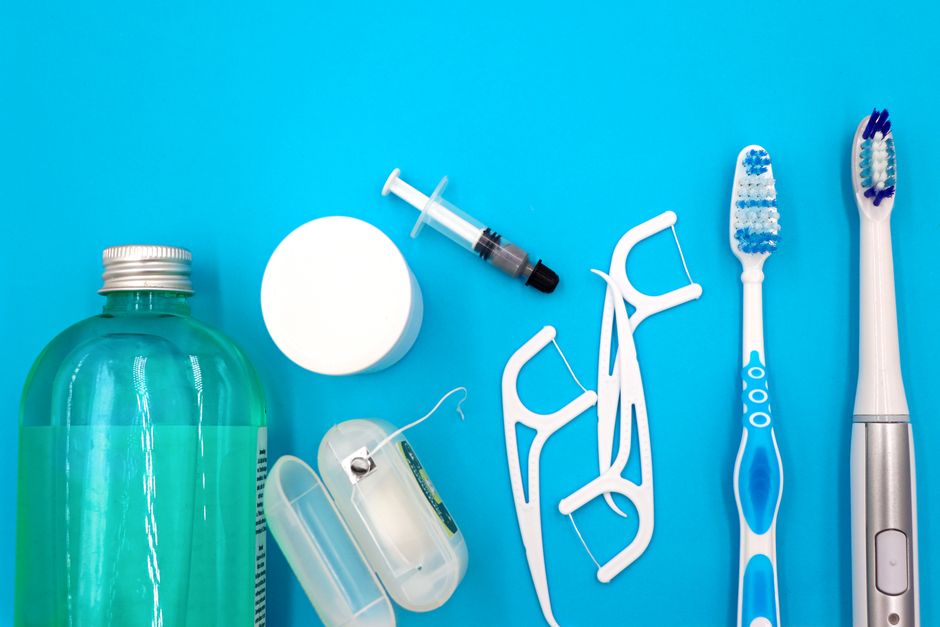
When you skip brushing your teeth, plaque builds up on the enamel within 24 hours. That sticky film of bacteria starts producing acids that attack your tooth enamel and irritate your gums. If you do not brush regularly, this process leads to cavities, gum disease, and eventually tooth loss, but the effects can also reach beyond your mouth into your overall health.
What Happens in the First 24 Hours Without Brushing
Your mouth is full of bacteria, and they feed on the sugars and food particles left behind after you eat. Within hours of not brushing, these bacteria combine with saliva and food debris to form plaque, a soft, sticky film that clings to your teeth.
Plaque itself is not dangerous at this stage. A thorough brushing and flossing can remove it completely. But if plaque stays on your teeth, the bacteria inside it begin to multiply rapidly. Some of these bacteria produce acids as they digest sugars. Those acids are what start the damage.
Within 24 hours, you may notice your teeth feel fuzzy or coated. That fuzzy sensation is the plaque film. Your breath may also start to smell, because the bacteria release sulfur compounds as they break down food particles.
What Happens After a Few Days to a Week
If plaque remains on your teeth for more than 48 hours, it starts to harden. Minerals in your saliva combine with the plaque and turn it into a hard, chalky deposit called tartar, or calculus. Once tartar forms, brushing can no longer remove it. Only a dental professional with specialized tools can scrape it off.
Meanwhile, the bacterial acids continue to work on your enamel. Enamel is the hardest substance in your body, but it is not immune to acid. Over days and weeks, acid demineralizes the enamel, creating weak spots. These weak spots are the earliest stage of tooth decay. If the process continues, the enamel breaks down completely and a cavity forms.
Your gums react too. The bacteria in plaque trigger an inflammatory response in your gum tissue. This early stage of gum disease, called gingivitis, causes your gums to become red, swollen, and prone to bleeding when you brush or floss. Gingivitis is still reversible at this point. Regular brushing, flossing, and a professional cleaning can restore your gums to health.
What Happens After Weeks and Months of Not Brushing
Untreated gingivitis can progress into periodontitis, a more serious form of gum disease. In periodontitis, the inflammation moves deeper, affecting the bone and ligaments that hold your teeth in place. Your gums may start to pull away from your teeth, forming pockets that trap even more bacteria and food.
These deep pockets are impossible to clean with a toothbrush. The infection continues to destroy the connective tissue and bone supporting your teeth. Over months and years, this bone loss becomes permanent. Teeth become loose, and eventually, they may fall out or need to be extracted.
Periodontitis is not just a dental problem. Research consistently shows a link between untreated gum disease and systemic health conditions. The bacteria and inflammatory molecules from your gums can enter your bloodstream, potentially contributing to conditions like heart disease, diabetes complications, and respiratory infections. The exact nature of these links is still being studied, but the association is well documented.
What Happens After Years of Neglect
Years without brushing leads to advanced tooth decay and severe gum disease. Multiple cavities may require fillings, root canals, or crowns. Teeth with extensive decay may not be salvageable. Missing teeth affect your ability to chew properly, which can change your diet and nutrition.
Tooth loss also changes the structure of your face. Your jawbone relies on the pressure from chewing to maintain its density. When teeth are missing, that bone gradually resorbs, or shrinks. This can cause your cheeks to appear sunken and your face to look older.
Chronic bad breath, or halitosis, becomes a constant companion. The bacterial buildup in your mouth and on your tongue produces a persistent odor that mouthwash only masks temporarily. This can affect your social interactions and self-confidence.
What Happens to Your Tongue and Overall Mouth
Not brushing affects more than your teeth and gums. Your tongue is a major collector of bacteria. The rough surface of the tongue traps dead cells, food debris, and bacteria, forming a coating that contributes to bad breath and can dull your sense of taste.
Brushing your tongue or using a tongue scraper removes this coating. Without regular cleaning, the bacterial load in your mouth stays high, which increases your risk of oral infections like thrush, though this is more common in people with weakened immune systems.
The entire environment of your mouth shifts. Saliva production remains the same, but the bacterial balance changes in favor of harmful species. This imbalance, called dysbiosis, makes it easier for decay and gum disease to take hold and harder for your mouth to recover.
Can the Damage Be Reversed?
It depends on how far the damage has progressed. Early stages of decay can be stopped. If the enamel has weakened but not yet formed a cavity, fluoride from toothpaste, mouthwash, or professional treatments can help remineralize the enamel. This is why catching problems early matters.
Gingivitis is fully reversible. If you start brushing twice a day, flossing daily, and get a professional cleaning, your gums can return to normal. The bleeding and swelling typically resolve within a week or two of consistent oral hygiene.
Once periodontitis has caused bone loss, that bone does not grow back on its own. Treatment can stop the disease from progressing, but the structural damage is permanent. Advanced cases may require deep cleaning procedures, antibiotics, or surgery to manage the infection.
Cavities do not heal on their own. Once enamel breaks down and a cavity forms, a dentist must remove the decayed tissue and place a filling. If the decay reaches the pulp, the inner chamber containing nerves and blood vessels, a root canal becomes necessary.
What Is the Minimum You Need to Do?
Dental professionals recommend brushing your teeth twice a day for two minutes each time. This removes plaque before it has a chance to harden into tartar. Brushing before bed is especially important, because saliva production drops during sleep, leaving your teeth with less natural protection against acid.
Flossing once a day is equally important. A toothbrush cannot reach the tight spaces between your teeth where plaque accumulates. Flossing removes the plaque your brush misses, preventing gum disease and cavities in these hard-to-reach areas.
Regular dental checkups, typically every six months, allow a professional to remove tartar and catch problems early. Even with perfect home care, some plaque will harden into tartar over time. Only professional cleaning can remove it.
If you have gone a long time without brushing, do not try to fix everything at once with aggressive brushing. This can damage your gums and enamel. Start gently, brush twice a day, floss daily, and schedule a dental appointment as soon as possible.
Does Mouthwash Replace Brushing?
No. Mouthwash is a supplement to brushing and flossing, not a replacement. It can reduce bacteria and freshen breath, but it does not physically remove plaque from your teeth. The mechanical action of brushing is what breaks up and removes the sticky biofilm.
Some mouthwashes contain fluoride, which helps strengthen enamel, and some contain antibacterial agents like chlorhexidine, which are used in specific dental treatments. But no mouthwash can remove the plaque that has already formed on your teeth. If you use mouthwash, use it after brushing and flossing, not instead of them.
Frequently Asked Questions
How long can you go without brushing your teeth?
You should not go more than 24 hours without brushing. Within that time, plaque begins to form and acids start attacking your enamel, though noticeable damage usually takes days or weeks to develop.
Can not brushing your teeth cause health problems beyond your mouth?
Yes. Untreated gum disease is linked to an increased risk of heart disease, diabetes complications, and respiratory infections, because bacteria and inflammation from the gums can enter the bloodstream.
Is it ever too late to start brushing again?
No. Even if you have advanced gum disease or tooth decay, starting to brush and floss again will stop further damage and improve your oral health, though it will not reverse bone loss or existing cavities.
What happens if you only brush once a day?
Brushing once a day is better than not brushing at all, but it leaves plaque on your teeth for extended periods. Most dental professionals recommend brushing twice daily for two minutes to adequately control plaque and prevent decay.
