
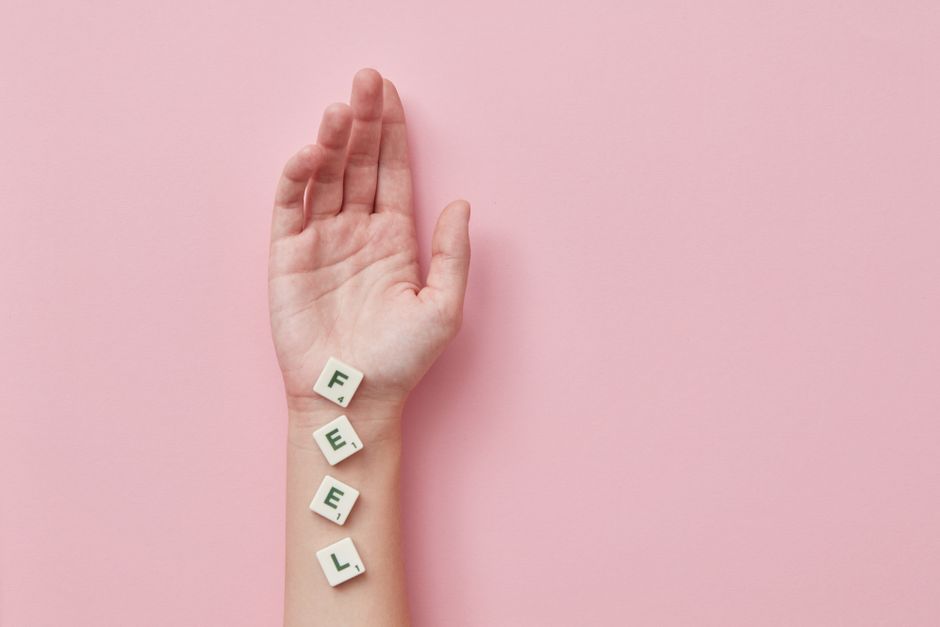
It feels strange, doesn’t it? You finally get the promotion, the positive test result, or the proposal, and instead of pure joy, you feel a wave of sadness or anxiety. You might even feel guilty for not feeling happy. This reaction is more common than you think. It is not a sign that something is wrong with you, and it does not mean you are ungrateful. In most cases, this feeling is a normal psychological response to a major life shift, even a positive one.
Why Do I Feel Sad When Something Good Happens?
The most common reason is that good news is still change, and change is stressful. Your brain is wired to predict what comes next. When a positive event disrupts your expected routine, your brain registers the disruption before it registers the reward. This triggers a stress response that can feel a lot like sadness or anxiety.
Another major factor is the pressure to be happy. When you believe you should feel elated, the gap between your expected emotion and your actual emotion creates distress. You start to analyze why you are not happier, which pulls you further away from the moment and deepens the low feeling.
What Causes Sadness After Positive Events?
Several distinct psychological mechanisms can cause this reaction. Understanding which one fits your situation can help you process the feeling more effectively.
Fear of the “Other Shoe Dropping”
If you have experienced past trauma or instability, your brain has learned that good moments are often followed by bad ones. This is a protective mechanism. When something good happens, your nervous system stays on high alert, waiting for the loss or disappointment. This anticipatory grief prevents you from fully enjoying the present because you are bracing for a future impact.
Identity Shift
Positive events often change how others see you and how you see yourself. Getting a new title, moving to a new city, or becoming a parent changes your daily identity. Mourning the loss of your old self is a real part of the transition. You can be genuinely excited about the future while still grieving the simplicity of the past.
Depression and Anhedonia
Sometimes, the sadness is not situational. Clinical depression can dull your ability to feel pleasure, a condition called anhedonia. If good things consistently feel flat or empty, and this persists for more than two weeks, it may be a symptom of a mood disorder rather than a reaction to the event itself.
Is This a Sign of Depression?
Not always, but it can be. The key difference is timing and consistency. If you feel sad immediately after a big event but return to a normal mood within a few days, it is likely a normal adjustment reaction. If the sadness persists, or if you cannot recall the last time you genuinely felt joy, it is worth discussing with a healthcare provider.
Depression is not just about feeling sad. It often involves changes in sleep, appetite, energy, and concentration. If you notice these symptoms alongside your inability to enjoy good news, you should seek professional guidance. A doctor or therapist can help you determine whether this is a temporary reaction or part of a larger pattern.





Why Does Anticipation Feel Better Than the Event?
For many people, the anticipation of a positive event feels better than the event itself. This happens because anticipation is driven by dopamine, a neurotransmitter associated with motivation and reward-seeking. The brain releases dopamine when you are moving toward a goal, not necessarily when you achieve it. Once the event happens, the dopamine surge stops, and you are left with a feeling of letdown.
This is a normal biological process. It is the same reason people feel a “post-holiday blues” or a sense of emptiness after a wedding. The chase is over, and your brain has to recalibrate to a lower baseline of stimulation. This recalibration can feel like sadness, even though the event was positive.
How to Handle Sadness After Good News
You do not need to force yourself to feel happy. Trying to suppress the sadness usually makes it stronger. Instead, you can acknowledge the mixed feelings as valid. You can hold both the joy and the sadness at the same time.
- Name the feeling: Say to yourself, “I am feeling anxious about this change,” rather than “I am a bad person for not being happy.” Naming the specific emotion reduces its intensity.
- Delay big decisions: If the good news comes with choices, like accepting a new job or moving, give yourself time. Do not make permanent decisions in the first 48 hours of emotional turbulence.
- Maintain your routine: Positive events can disrupt sleep, eating, and exercise habits. Sticking to your normal routine helps your brain regulate the stress response faster.
- Talk to someone: Sharing your mixed feelings with a trusted friend often reduces the shame. You will likely find that they have felt the same way before.
When Should You Seek Professional Help?
Seek help if the sadness interferes with your daily functioning. If you cannot go to work, if you are withdrawing from loved ones, or if you are using alcohol or drugs to cope, these are signs that you need more support than self-care can provide.
You should also seek help if you have thoughts of self-harm or suicide. These are always emergencies. Contact a healthcare provider or a crisis line immediately. The sadness you feel after a positive event is usually temporary, but if it persists or worsens, it deserves the same attention as any other health concern.
There is no timeline for “getting over” a major life change. Some people adjust in a week. Others take months. The goal is not to rush the process. The goal is to stay present and honest with yourself about what you are feeling.
Frequently Asked Questions
Why do I cry when I am happy?
Crying when happy is a normal emotional release. The brain cannot always distinguish between intense positive and negative arousal, so it uses tears to regulate overwhelming emotion.
Is it normal to feel sad after getting what I wanted?
Yes, it is normal. Achieving a long-sought goal removes the anticipation and purpose that drove you, which can leave a temporary feeling of emptiness.
Does feeling sad after good news mean I am depressed?
Not necessarily. It can be a normal adjustment reaction to change. If the sadness lasts more than two weeks or you cannot feel joy at all, it may be worth discussing with a professional.
How long does sadness after a positive event last?
Most people feel the letdown for a few days to a couple of weeks. The duration depends on the size of the change and your overall stress levels.
