
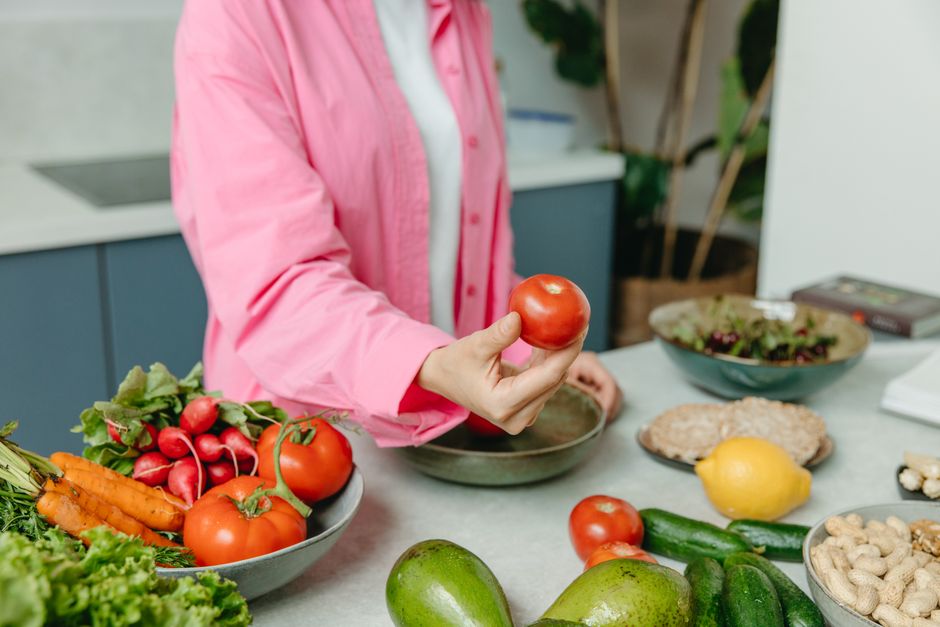
Tomatoes are fruits because they develop from the flower of the plant and contain seeds. In botanical terms, any structure that forms from an ovary after flowering and carries seeds is a fruit. This is not a culinary opinion; it is a biological classification that applies to every tomato on every vine.
Most people learn the “vegetable” answer from the kitchen, not the garden. That confusion is understandable. The confusion also has a surprising history that involves the United States Supreme Court, a 19th-century tariff dispute, and a basic difference between how scientists and cooks organize the world.
Why Are Tomatoes A Fruit? The Botanical Definition
Botanists define a fruit as the mature ovary of a flowering plant. When a flower is pollinated, the ovary swells and develops into a structure that protects the developing seeds. That structure is the fruit. It does not matter if the fruit is sweet, sour, or savory.
By this definition, tomatoes are fruits without any debate. They form from the flower’s ovary. They contain seeds. They meet every criterion a botanist uses.
This rule covers far more than tomatoes. Cucumbers are fruits. Peppers are fruits. Eggplants are fruits. Green beans are fruits. Even corn kernels are technically fruits because each kernel is a seed surrounded by a fruit wall called a pericarp.
The botanical definition is consistent and simple. If it comes from a flower and holds seeds, it is a fruit. That single rule settles the tomato question completely.
The Culinary Definition: Why Chefs Call Tomatoes Vegetables
In the kitchen, the word “fruit” means something different. Chefs and home cooks use “fruit” for produce that is sweet and typically eaten raw or in desserts. They use “vegetable” for produce that is savory and usually cooked as part of a main dish.
Tomatoes are rarely sweet enough for desserts. They are almost always cooked into sauces, soups, and stews. They pair with onions and garlic more often than with sugar. So in culinary terms, tomatoes behave like vegetables.
This is not a scientific classification. It is a cooking category. It works well in recipes because it groups foods by how they are used. But it has no botanical meaning.
Many other foods have the same split identity. Rhubarb is a vegetable botanically but is used almost exclusively as a fruit in pies and jams. Sweet potatoes are roots. Lettuce is leaves. Broccoli is an unopened flower head. The kitchen and the garden have always used different systems.
The Supreme Court Case That Made It Official
In 1893, the United States Supreme Court ruled on the tomato question. The case was Nix v. Hedden. It was not about science. It was about money.
A tariff law taxed imported vegetables but not imported fruits. A produce importer named John Nix argued that tomatoes should enter duty-free because botanically they are fruits. The court disagreed.
The justices ruled that the tariff law used the common, everyday meanings of the words “fruit” and “vegetable.” In ordinary language, people called tomatoes vegetables. The court noted that botanically tomatoes are fruits, but it decided the tariff question based on how people actually speak.
The ruling meant tomatoes were legally vegetables for import purposes. It did not change the botanical facts. It only settled how the tariff would be applied.
The case is often misunderstood. Many people believe the Supreme Court declared tomatoes to be vegetables. In reality, the court acknowledged they are botanically fruits but applied the common usage for legal purposes. The science never changed.



What About Seedless Tomatoes?
Seedless tomato varieties raise a fair question. If a fruit is defined by containing seeds, what is a seedless tomato?
Seedless tomatoes are still fruits. They develop from the ovary of a flower just like seeded varieties. The plants are bred or treated so the fruit develops without fertilization, a process called parthenocarpy. The fruit forms, but the seeds do not mature.
The same applies to seedless grapes, seedless watermelons, and seedless oranges. They are all fruits. The absence of seeds does not change the botanical origin. What matters is that the structure is a mature ovary from a flower.
This is a useful clarification because it shows the definition is about the plant’s biology, not about what is inside the final product.
Why the Confusion Matters for Nutrition
Whether you call a tomato a fruit or a vegetable has no effect on your health. The nutrients are identical either way. But understanding the classification can help you think more clearly about how you eat.
Tomatoes are rich in vitamin C, potassium, and a compound called lycopene. Lycopene is a carotenoid that gives tomatoes their red color. Some research suggests that lycopene from cooked tomatoes is absorbed better than from raw tomatoes because heat breaks down the plant cell walls.
Dietary guidelines group tomatoes with vegetables. The USDA Food Patterns classify tomatoes as vegetables for the purpose of meeting vegetable intake recommendations. This is a practical choice based on how people eat them, not a botanical statement.
If you are trying to eat more vegetables, tomatoes count toward that goal. If you are counting fruit servings, tomatoes are biologically fruits but are not typically counted that way in dietary guidance. The classification matters less than simply eating them regularly.
Other Surprising Foods That Are Botanically Fruits
Tomatoes are the most famous example, but they are far from the only one. Many foods that people call vegetables are botanically fruits.
- Peppers — all varieties, from bell peppers to jalapeños, are fruits.
- Cucumbers — botanically fruits, technically a type of berry called a pepo.
- Pumpkins and squash — also pepos, which are fruits with a hard rind.
- Eggplant — a fruit in the nightshade family, like tomatoes.
- Okra — the edible pod is a fruit containing seeds.
- Green beans and peas — the pods are fruits containing seeds.
- Avocados — a single-seeded berry, botanically speaking.
This list surprises most people. It shows how wide the gap is between botanical and culinary language. The foods you cook as vegetables are often fruits in the garden.
What About Vegetables That Are Not Fruits?
Some vegetables are not fruits at all. These are the plant parts that do not come from the flower’s ovary.
Carrots and radishes are roots. Potatoes are underground stems called tubers. Onions and garlic are bulbs. Celery is a stalk. Spinach and lettuce are leaves. Broccoli and cauliflower are immature flower heads. Asparagus is a young shoot.
These foods are vegetables in both botanical and culinary terms. They are plant structures other than the fruit. That makes them different from tomatoes, which are always biologically fruits regardless of how they are cooked.
Understanding this distinction helps explain why the tomato debate exists. Most vegetables are not fruits. Tomatoes are fruits that are treated as vegetables. The mismatch is the entire source of the confusion.
How to Answer the Question Correctly
The accurate answer to “why are tomatoes a fruit” is simple: because they develop from the flower’s ovary and contain seeds. That is the botanical definition of a fruit, and tomatoes meet it completely.
If someone asks whether tomatoes are fruits or vegetables, the most accurate answer is that they are both, depending on the context. Botanically, they are fruits. In cooking and in law, they are treated as vegetables.
This dual answer is not a compromise. It reflects that two different classification systems exist and both are valid for their purposes. The botanical system describes plant biology. The culinary system describes how food is used in recipes. Neither system is wrong. They just answer different questions.
Knowing the difference also helps you spot similar cases. Any food that comes from a flower and contains seeds is a fruit, no matter how savory it tastes. That rule applies to tomatoes, peppers, cucumbers, and dozens of other foods you keep in the vegetable drawer.
Frequently Asked Questions
Are tomatoes fruits or vegetables?
Tomatoes are botanically fruits because they develop from the flower’s ovary and contain seeds. In cooking and under U.S. law, they are treated as vegetables based on how they are used.
Why did the Supreme Court rule tomatoes are vegetables?
The 1893 case Nix v. Hedden was about a tariff on imported vegetables, not about biology. The court ruled that the tariff law used everyday language, and in common usage people called tomatoes vegetables.
Are seedless tomatoes still fruits?
Yes. Seedless tomatoes develop from the flower’s ovary through a process called parthenocarpy, where fruit forms without fertilized seeds. They remain botanically fruits.
What other common foods are botanically fruits?
Peppers, cucumbers, pumpkins, squash, eggplant, okra, green beans, and avocados are all botanical fruits. They are treated as vegetables in cooking because of their savory flavor and typical use in meals.
