
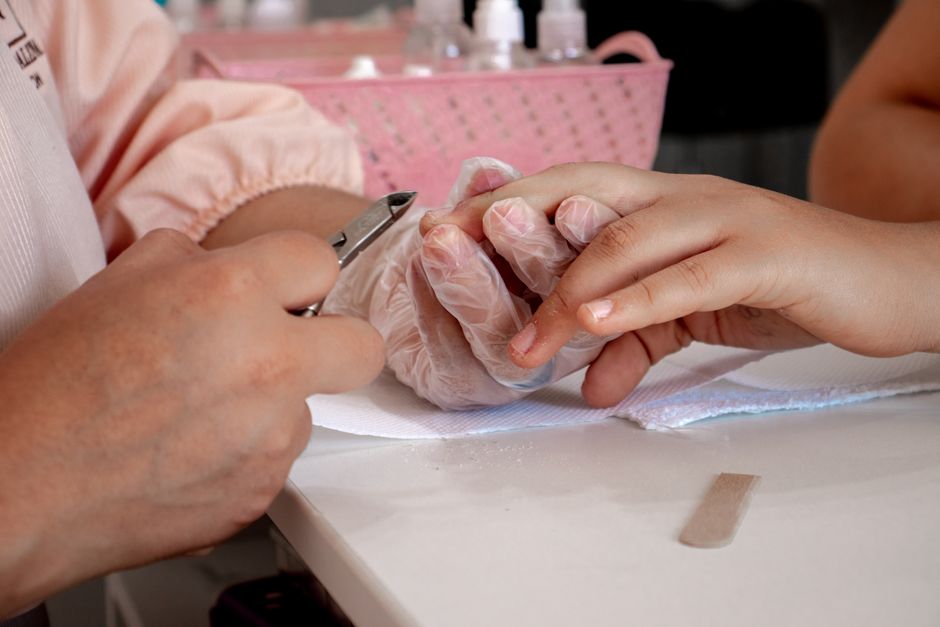
Peeling skin around your nails is usually harmless and often tied to everyday habits like hand washing, dry air, or minor irritation. The skin there is thin and has few oil glands, so it loses moisture quickly and cracks easily. In most cases, regular moisturizing and protecting your hands from harsh soaps will clear it up. But sometimes the peeling is a sign of something that needs more attention, like a fungal infection, an allergic reaction, or a vitamin deficiency.
Why Does the Skin Around My Nails Peel?
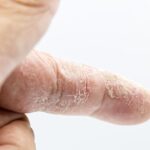
The skin surrounding your nails, called the perionychium, is delicate. Unlike the skin on your forearms, it does not produce much natural oil to keep itself supple. When that protective oil barrier is stripped away, the skin dries out, shrinks, and begins to flake or peel.
Frequent hand washing is one of the most common culprits. Soap removes oils from the skin’s surface. If you wash your hands dozens of times a day—common for healthcare workers, parents, or anyone who cooks often—the skin around the nails loses moisture faster than it can be replaced. Harsh sanitizers with high alcohol content have the same effect.
Cold, dry weather also plays a role. Low humidity pulls moisture out of the skin. Indoor heating during winter months makes the air even drier, which can leave the skin around your nails cracked and peeling despite your best efforts.
What Causes Painful Peeling or Cracks?
When peeling skin progresses to painful cracks, called fissures, the cause is often more than simple dryness. Repetitive exposure to water and detergents can lead to a condition known as irritant contact dermatitis. This is not an allergy; it is direct damage to the skin’s outer layer from harsh substances. The skin becomes red, dry, and painful, and it may peel in larger sheets.
Another common cause is a habit called “picking” or “biting.” Many people unconsciously bite the skin around their nails or pick at loose cuticles. This creates small open wounds. The skin heals, forms a rough edge, and gets picked again. The cycle prevents the skin from ever fully repairing itself and often makes the peeling worse.
Less commonly, a fungal infection can cause peeling. Fungal infections around the nail, known as paronychia, often start with redness and swelling before the skin begins to peel. If you notice the skin is warm, tender, or has fluid draining from it, the cause may be infectious rather than just dry.
Could It Be an Allergic Reaction?
Yes. Allergic contact dermatitis occurs when your immune system reacts to a substance that touches your skin. Nail polish, nail hardeners, and artificial nail adhesives are frequent triggers. Acrylates, which are used in gel manicures and acrylic nails, are a well-documented cause of allergic reactions around the nail bed.
If the peeling started after you began using a new nail product, hand cream, or soap, an allergy is a real possibility. The reaction usually appears within 24 to 48 hours of exposure. The skin may itch, burn, or develop tiny blisters before it peels. If you suspect a product is the cause, stop using it and see whether the skin improves over a week or two.



Are Vitamin Deficiencies Involved?
Vitamin deficiencies are a genuine but uncommon cause of peeling skin around the nails. The skin needs certain nutrients to regenerate properly. Deficiencies in iron, zinc, or B vitamins like biotin and niacin can affect skin health. However, these deficiencies are rarely the first explanation for peeling skin in an otherwise healthy person who eats a varied diet.
Iron deficiency, which can cause anemia, is the one most often linked to brittle nails and dry skin. If you have other symptoms like fatigue, pale skin, or brittle nails that break easily, it may be worth discussing a blood test with your doctor. But do not assume peeling skin means you need supplements. Taking high doses of vitamins without a confirmed deficiency will not help the peeling and can sometimes cause harm.
How Can I Stop the Peeling?
Start with the simplest fix: moisturize consistently. Thick creams or ointments work better than thin lotions. Products containing petrolatum, shea butter, or ceramides help trap moisture in the skin. Apply moisturizer after every hand wash and always before bed. For deeper penetration, apply a thick layer and wear cotton gloves overnight.
Change your soap. Look for gentle, fragrance-free cleansers labeled for sensitive skin. Fragrance is a common irritant, even in products that claim to be “natural.” Avoid antibacterial soaps for routine hand washing; they are no better at removing germs than regular soap and are often more drying.
Wear gloves for wet work. If you wash dishes by hand, clean with harsh chemicals, or spend time in water, protect your hands with rubber gloves. Water itself is drying when it evaporates from the skin, pulling moisture out with it. This is a key point many people miss: soaking your hands frequently can make dryness worse, not better.
Stop picking and biting. This is easier said than done, but it matters. Every time you pick at a loose piece of skin, you create a new wound. Keep your hands busy, use a bitter-tasting nail polish designed to discourage biting, or try wearing gloves during times you are likely to pick, such as while watching television.
When Should I See a Doctor?
See a doctor if the peeling is severe, painful, or does not improve after a few weeks of consistent moisturizing. Also seek medical advice if you notice signs of infection: increasing redness, swelling, warmth, pus, or red streaks spreading from the area. An infected nail fold may require prescription treatment.
If the skin around multiple nails is peeling and you also have a rash elsewhere on your body, mention that to your doctor. Conditions like eczema or psoriasis can affect the skin around the nails. A dermatologist can often tell the difference just by looking, and sometimes a simple skin test or swab confirms the diagnosis.
It is also worth seeing a doctor if the peeling is accompanied by nail changes. If your nails themselves are thickening, discoloring, or separating from the nail bed, the problem may involve the nail plate itself, not just the surrounding skin. Fungal nail infections often start this way and require prescription antifungal treatment; over-the-counter products are frequently ineffective.
Is It a Sign of a Serious Health Problem?
In the vast majority of cases, no. Peeling skin around the nails is a cosmetic nuisance, not a warning sign of a serious disease. However, in rare cases, peeling skin can be part of a broader skin condition. For example, some autoimmune conditions cause skin changes on the hands and feet. But these conditions come with many other symptoms. Peeling skin alone, without other complaints, is rarely the first sign of a systemic illness.
If you have diabetes, pay extra attention to your hands and feet. Diabetes can reduce blood flow and impair healing. Small cracks in the skin can become entry points for bacteria, leading to infections that are harder to treat. Keeping the skin moisturized and checking for signs of infection is a reasonable preventive habit if you have diabetes.
Frequently Asked Questions
Can hand sanitizer cause peeling skin around nails?
Yes, alcohol-based hand sanitizers strip natural oils from the skin and can cause dryness and peeling with frequent use.
Is peeling skin around nails a sign of a fungal infection?
Sometimes, but fungal infections usually cause redness, swelling, and tenderness first; dryness alone is more likely from environmental causes.
Does Vaseline help peeling skin around nails?
Yes, petrolatum-based products like Vaseline are highly effective at trapping moisture and protecting the skin barrier.
How long does it take for peeling skin around nails to heal?
With consistent moisturizing and no further irritation, most mild cases improve within one to two weeks.
