
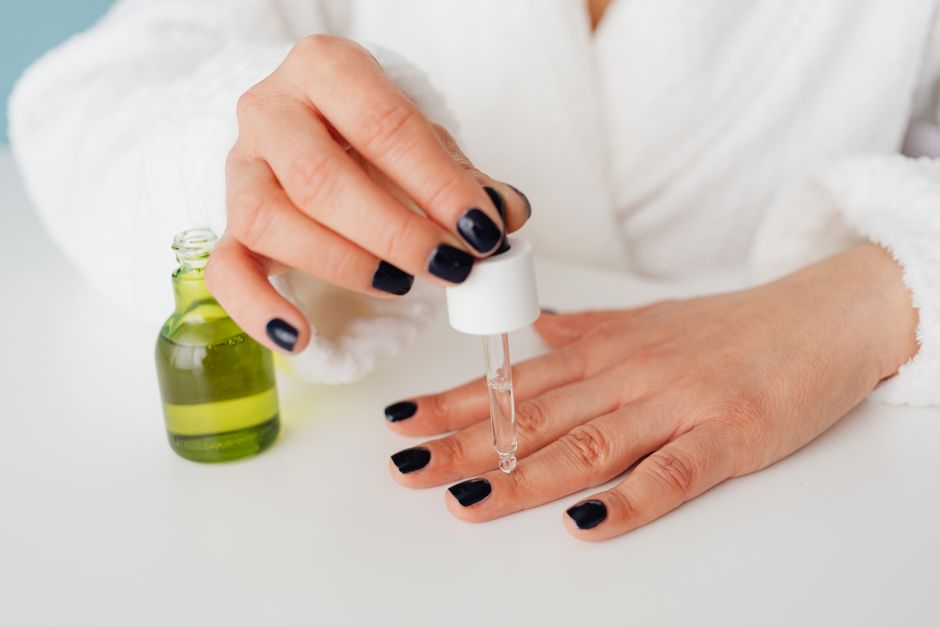
Dry, cracked skin around your nails is usually a sign that the skin barrier there has lost moisture and oils faster than it can replace them. That thin rim of skin — called the cuticle and nail folds — has fewer oil glands than most of your body, so it dries out easily. Everyday contact with water, soap, and cleaning products is the most common cause, though cold weather, certain skin conditions, and some medical treatments can also be behind it.
Why Is The Skin Around My Nails So Dry Causes Fixes
The skin around your nails sits in a tough spot. It is constantly exposed to whatever your hands touch, yet it has almost no sebaceous glands to produce the oil that keeps other skin supple.
That means it depends heavily on the moisture barrier formed by skin cells and lipids. When that barrier breaks down, water escapes and the skin cracks, flakes, or peels. This is why dryness here often shows up before it does elsewhere on your hands.
Several things can wear down that barrier:
- Frequent handwashing or wet work. Water strips away natural oils. Jobs like nursing, cooking, cleaning, or hairdressing involve repeated exposure.
- Harsh soaps and detergents. These remove oils more aggressively than plain water.
- Cold, dry air. Low humidity pulls moisture from skin, and indoor heating makes it worse in winter.
- Nail biting or picking. This physically damages the skin and slows its ability to repair.
- Acetone and nail products. Nail polish remover and some treatments dry the surrounding skin.
- Underlying skin conditions. Eczema, psoriasis, and contact dermatitis commonly affect the hands and nail folds.
The fix depends on which of these is driving the problem. For most people, it is a combination of water exposure and irritants rather than a single cause.
Is Dry Skin Around Nails a Sign of a Vitamin Deficiency?
Usually not. Dry skin around the nails is far more often caused by external factors — water, weather, and irritants — than by a lack of vitamins. This is one of the most common myths about nail health.
That said, severe deficiencies can affect skin. Low levels of certain nutrients, including vitamin A, vitamin C, zinc, and essential fatty acids, are associated with dry or scaling skin in some cases. But these deficiencies are uncommon in people eating a varied diet, and dry cuticles alone are rarely the first sign.
If you have other symptoms — fatigue, hair loss, slow wound healing, or changes across large areas of skin — that is different. In that situation, a doctor can check for underlying causes. For isolated dryness around the nails, adding supplements is unlikely to help and is not supported by evidence.
What Skin Conditions Cause Dry, Peeling Skin Around Nails?
When dryness is persistent, painful, or comes with redness and swelling, a skin condition may be involved rather than simple dryness.
Hand eczema is one of the most common. It causes dry, itchy, cracked skin that often starts around the fingers and nail folds. It can be triggered by irritants or by an allergic reaction.
Contact dermatitis happens when skin reacts to something it touches — cleaning products, nickel in jewelry, certain nail cosmetics, or rubber gloves. The reaction is usually confined to areas that made contact.
Psoriasis can affect the nails and surrounding skin. It often causes pitting of the nail itself, and the skin may be dry and scaly.
Paronychia is an infection of the nail fold. It causes redness, swelling, and sometimes pus. Acute cases are often bacterial; chronic cases, which develop more slowly, are frequently linked to repeated water exposure and can involve yeast. This needs medical care rather than moisturizer alone.
These conditions look different from ordinary dryness. Redness, swelling, pain, or pus are signals to see a clinician.





Does Dry Skin Around Nails Mean I Have a Thyroid Problem?
Dry skin can be a symptom of an underactive thyroid, but it is rarely the only sign. On its own, dry cuticles are not a reason to suspect a thyroid disorder.
Hypothyroidism tends to cause dry skin across the body, along with fatigue, cold intolerance, constipation, weight changes, and slower heart rate. If you have several of these together, it is worth mentioning to a doctor.
Thyroid testing is a simple blood test. But testing based on dry nails alone is unlikely to be useful. The connection is real but not specific — many things cause dry skin, and most of them are not thyroid-related.
How Do You Fix Dry Skin Around Your Nails?
The most effective approach is to protect the skin barrier and replace what it loses. Consistency matters more than any single product.
Start with these steps:
- Moisturize after every handwash. Apply while skin is still slightly damp to trap water.
- Choose thick ointments or creams. Products with petrolatum, dimethicone, or ceramides help seal in moisture. Lotions are thinner and evaporate faster.
- Wear gloves for wet work. Use waterproof gloves for cleaning and cotton-lined gloves for dry tasks.
- Use lukewarm water. Hot water strips oils faster.
- Switch to gentle, fragrance-free soap. Fragrance is a common irritant.
- Stop biting and picking. This gives skin a chance to heal.
- Apply cuticle oil. Oils with jojoba or mineral oil can soften skin, though they mainly help by slowing water loss.
For very dry or cracked skin, some clinicians recommend applying a thick ointment at night and covering the hands with cotton gloves. This is a common practice, though formal trials on this specific method are limited.
Avoid cutting or pushing back cuticles aggressively. The cuticle is a seal that keeps bacteria out of the nail area. Damaging it can lead to infection.
When Should You See a Doctor About Dry Nails?
See a clinician if the skin is red, swollen, painful, or draining pus. These suggest infection or inflammation that needs treatment.
Also seek care if dryness spreads, does not improve after several weeks of consistent moisturizing, or comes with symptoms elsewhere on your body. A doctor can check for eczema, psoriasis, thyroid issues, or nutrient deficiencies if there is reason to suspect them.
People with diabetes should pay particular attention to any breaks in the skin around nails. Slow healing and higher infection risk make early care important.
Can Dry Nail Skin Be Prevented?
Prevention mostly means reducing exposure and rebuilding the barrier. The same steps that treat dryness help prevent it.
Keep a moisturizer near every sink. Wear gloves when cleaning or doing dishes. Use a humidifier in dry months. Avoid acetone-based removers when possible.
Small, repeated habits matter more than occasional intense care. Skin repairs slowly, so results take time — often a few weeks of steady effort before you notice a clear difference.
Frequently Asked Questions
Why is the skin around my nails so dry and peeling?
The most common cause is repeated exposure to water, soap, and irritants that strip the skin’s natural oils. Peeling often means the moisture barrier is damaged and needs time and consistent moisturizing to repair.
What vitamin deficiency causes dry skin around nails?
Severe deficiencies in vitamin A, vitamin C, zinc, or essential fatty acids can affect skin, but these are uncommon in people eating a varied diet. Isolated dry cuticles are rarely caused by a deficiency.
How do I fix dry skin around my nails fast?
Apply a thick ointment or cream right after washing your hands, while skin is still damp, and wear gloves for wet tasks. Most people see improvement over a few weeks of consistent care.
When should I worry about dry skin around my nails?
See a doctor if the area is red, swollen, painful, or has pus, or if dryness spreads or does not improve after several weeks. These can signal infection, eczema, or another condition needing treatment.
