
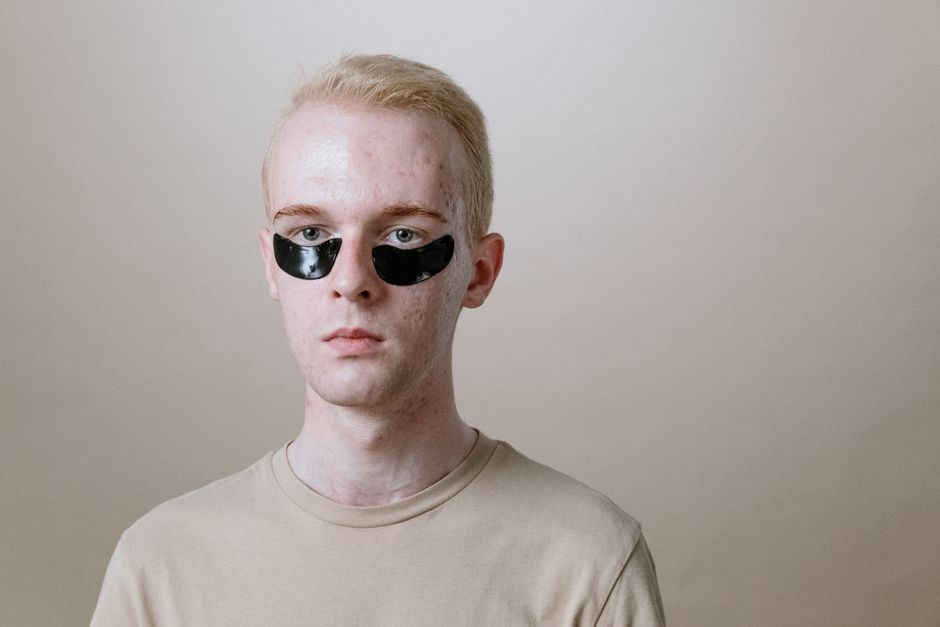
A pimple becomes a scar when the inflammation from the breakout damages the deeper layer of skin, called the dermis, and the body’s repair process leaves behind a permanent mark. Surface pimples that stay near the top of the skin usually heal without a trace. It is the pimples that go deep, get squeezed, or stay inflamed for a long time that leave scars. The type of scar you get depends on what happened under the surface, not on how the pimple looked on top.
Why Do Pimples Scar What Happens In Your Skin
Your skin has two main layers that matter here. The outer layer, the epidermis, is thin and replaces itself constantly. The deeper layer, the dermis, holds collagen, elastin, blood vessels, and hair follicles. Acne starts in the follicles, which are rooted in the dermis.
When a pore clogs with oil and dead skin cells, bacteria that normally live on the skin can multiply inside it. Your immune system responds by sending inflammatory cells to the area. That inflammation is what causes the redness, swelling, and tenderness of a pimple.
Here is the key point. Inflammation is not just a side effect of acne. It is the cause of scarring. The same immune response that fights the bacteria also releases enzymes and other chemicals that can break down collagen and elastin in the dermis. If enough of that structural tissue is destroyed, the skin cannot rebuild it exactly as it was.
Collagen is the protein that gives skin its strength and structure. Elastin lets it stretch and bounce back. When these fibers are damaged, the repair process fills the gap with new tissue. That new tissue rarely matches the original. It may be too little, too much, or arranged differently. That difference is what you see as a scar.
Why Some Pimples Scar and Others Do Not
Depth and duration are the two biggest factors. A pimple that stays near the surface, like a small blackhead or a mild whitehead, rarely scars. A pimple that forms deep in the follicle, like a nodule or cyst, is far more likely to leave a mark.
Inflammatory acne that lasts a long time also raises the risk. The longer the immune response stays active in one spot, the more collagen it can break down.
Squeezing or picking a pimple is a major cause of scarring that people can control. When you press on a pimple, you push bacteria and inflammatory material deeper into the skin. You also cause physical trauma to tissue that is already inflamed. Both can turn a pimple that would have healed cleanly into one that scars.
Some people are more prone to scarring than others. Genetics play a role in how your skin repairs itself. So does the type of acne you have. Conditions like nodulocystic acne, which causes deep, painful lumps, carry a much higher risk of scarring. People with darker skin tones are more likely to develop certain types of scars and dark spots after acne.
What Are the Different Types of Acne Scars?
Dermatologists group acne scars into a few main types based on how the skin healed. Knowing the type matters because different scars respond to different treatments.
- Atrophic scars are indented or pitted. They happen when too little collagen is rebuilt. This is the most common type of acne scar.
- Hypertrophic scars are raised and firm. They happen when too much collagen is produced. They are more common on the chest and back than on the face.
- Keloid scars are a more extreme form of raised scar that can grow beyond the original pimple. They are more common in people with darker skin.
Atrophic scars are further divided by their shape. Ice pick scars are narrow and deep, like a small puncture. Boxcar scars have sharp, defined edges and a flat bottom. Rolling scars have soft, sloping edges that give the skin a wavy look.
There is also a category that is not a true scar at all. After a pimple heals, many people are left with a flat red, brown, or purple mark. This is called post-inflammatory hyperpigmentation or post-inflammatory erythema. It is caused by pigment or blood vessels, not by lost collagen. These marks often fade on their own over months. True scars do not fade on their own because the skin structure has changed.





How Long Does It Take for Acne Scars to Form?
Scarring can begin within weeks of active inflammation. It does not require years of acne. A single deep, inflamed cyst can leave a scar.
The mark you see right after a pimple heals is often still healing. Red or brown discoloration can fade over several months. A true indented or raised scar is a structural change, and that structure does not rebuild itself with time.
This is why early treatment of inflammatory acne matters. Reducing inflammation quickly lowers the chance that deep tissue damage happens in the first place. Once a scar has formed, the goal shifts from prevention to treatment.
Can Acne Scars Be Treated?
Many acne scars can be improved, but results vary. No single treatment works for every scar type, and most people need a combination of approaches. It is also important to set realistic expectations. Treatment usually softens scars and improves skin texture rather than erasing them completely.
Dermatologists commonly use procedures that remodel the skin’s collagen. These include laser therapy, microneedling, chemical peels, and subcision, a technique that releases tethered scar tissue. Some treatments work better for certain scar shapes than others. For example, ice pick scars and rolling scars often respond to different methods.
For raised scars, treatments may include steroid injections or other methods to flatten the tissue. Keloids can be harder to treat and sometimes return after removal.
The evidence base differs by treatment. Some procedures have solid research behind them for certain scar types. Others are widely used in practice but have less rigorous evidence. A dermatologist can match the approach to your specific scars and skin type.
One important point. Treating scars while acne is still active is often not ideal. New pimples can create new scars and undo progress. Many clinicians recommend getting active acne under control first.
How Can You Prevent Pimples From Scarring?
The most effective way to prevent acne scars is to treat the acne itself and to avoid making it worse. Here is what the evidence supports.
- Do not squeeze, pop, or pick at pimples. This is one of the clearest ways to reduce scarring risk.
- Treat inflammatory acne early. Options include over-the-counter products and prescription treatments. A doctor or dermatologist can recommend what fits your situation.
- Be consistent with treatment. Acne treatment takes time, often several weeks to months, before you see results.
- Protect your skin from the sun. Sun exposure can darken post-inflammatory marks and make them more noticeable.
- Avoid harsh scrubbing. It irritates the skin and can worsen inflammation.
For people with severe or deep acne, seeing a dermatologist early can make a real difference. Prescription treatments can reduce inflammation and lower the risk of permanent scarring. The earlier deep inflammation is controlled, the less opportunity there is for collagen damage.
It is worth being honest about what prevention can and cannot do. Good habits lower your risk, but they do not guarantee you will avoid scars. Some people scar despite doing everything right. That is largely about genetics and the depth of the acne, not about effort or willpower.
Do Acne Scars Ever Go Away on Their Own?
True acne scars do not go away on their own. The indented or raised structure is a change in the skin’s collagen, and the body does not rebuild that on its own.
What does fade over time is discoloration. Red, brown, or purple marks from inflammation often lighten over months. This is a common source of confusion. People see a mark fade and assume the scar is healing. If the mark was only pigment, it may fade fully. If there is a real indentation or raised bump, that part stays.
This distinction matters for treatment decisions. If what bothers you is discoloration, time and sun protection may help. If what bothers you is texture or depth, that usually needs a procedure.
When Should You See a Dermatologist?
Consider seeing a dermatologist if your acne is deep, painful, or leaving marks. Deep nodules and cysts are the pimples most likely to scar, and they often need prescription treatment.
It is also worth a visit if you are already noticing scars forming, or if over-the-counter treatments have not helped after a reasonable trial. A dermatologist can assess your acne type, your scarring risk, and your treatment options.
There is no benefit to waiting. Acne scarring is easier to prevent than to treat. Getting help early can reduce how much permanent damage happens.
Frequently Asked Questions
Why do some pimples scar and others do not?
Pimples that cause deep inflammation in the dermis are the ones that scar, because the immune response can break down collagen and elastin. Surface pimples that stay near the top of the skin usually heal without leaving a scar.
Does popping a pimple cause scarring?
Squeezing or picking a pimple pushes bacteria and inflammatory material deeper into the skin and adds physical trauma, which raises the risk of scarring. Avoiding this habit is one of the clearest ways to lower your risk.
Do acne scars go away on their own?
True acne scars do not go away on their own because they are a structural change in the skin’s collagen. Red or brown marks from inflammation often fade over months, but indented or raised scars do not.
Can acne scars be removed completely?
Most acne scars can be improved with treatment, but complete removal is not typical. Dermatologic procedures like lasers, microneedling, and chemical peels can soften scars and improve skin texture, and results vary by scar type.
