
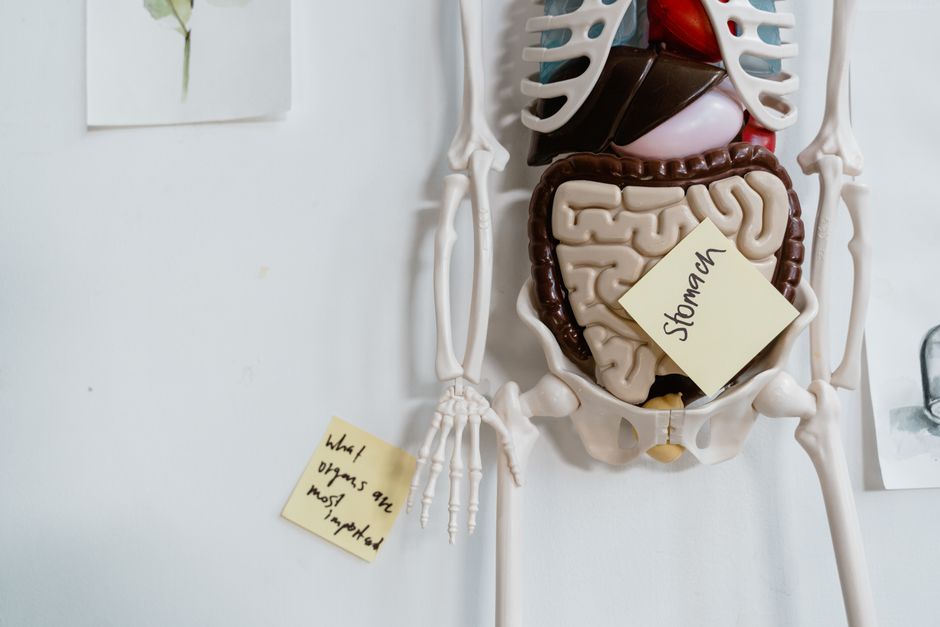
The digestive system turns everything you eat and drink into the energy, structure, and signals your body runs on. It also decides what gets absorbed and what gets pushed out. When it works well, you barely notice it. When it doesn’t, almost everything else in your body feels it too. “Triggers” is a word people use in two different ways, and both matter here: the things that set off symptoms like heartburn, bloating, or loose stools, and the everyday habits and conditions that throw normal digestion off track in the first place.
Why Is the Digestive System Important?
Every cell in your body depends on the digestive system to deliver fuel and raw materials. No other system can do that job for it.
Digestion breaks food into molecules small enough to cross the intestinal wall. Carbohydrates become simple sugars, proteins become amino acids, and fats become fatty acids and glycerol. Those molecules then travel through the bloodstream to build muscle, repair tissue, make hormones, and power the brain.
The gut is also a barrier. It lets nutrients in while keeping bacteria, toxins, and undigested particles out. That lining is only about one cell thick in places, which is why it is so vulnerable to damage and so important to protect.
Beyond nutrition, the digestive tract is the body’s largest immune interface. A large share of the immune cells in your body sit in and around the gut wall, sampling what passes through and deciding what to attack. The gut also contains its own nervous system, sometimes called the enteric nervous system, which communicates constantly with the brain. This is part of why stress, mood, and gut symptoms so often travel together.
When digestion fails, the consequences go well beyond stomach discomfort. Poor absorption can lead to nutrient deficiencies, weight loss, fatigue, and weakened immunity. That is the real answer to why the digestive system is important: it sits at the center of nutrition, immunity, and even brain function.
How Does Digestion Actually Work?
Digestion starts before you take a bite. The sight and smell of food trigger saliva production and prepare the stomach for what is coming.
Once you eat, the process moves through a clear sequence:
- Mouth: Chewing breaks food apart, and saliva begins breaking down starches.
- Esophagus: Rhythmic muscle contractions push food down to the stomach.
- Stomach: Acid and enzymes churn food into a semi-liquid mix and start digesting protein.
- Small intestine: Most digestion and nearly all nutrient absorption happens here, with help from bile and pancreatic enzymes.
- Large intestine: Water and electrolytes are absorbed, and gut bacteria ferment what is left.
- Rectum and anus: Waste is stored and then eliminated.
The whole trip typically takes many hours, and it varies widely from person to person depending on the meal, fiber content, and individual biology. A common misconception is that food moves through at a fixed speed. It does not. Transit time is genuinely individual, which is why two people can eat the same meal and have very different experiences afterward.
What Triggers Digestive Symptoms?
Most digestive symptoms come from a small set of triggers. Food is only one of them, and often not the main one.
Dietary triggers are the ones people notice first. Large, fatty, or fried meals slow stomach emptying, which can cause fullness and reflux. Spicy food, citrus, chocolate, caffeine, and alcohol can relax the valve between the stomach and esophagus, allowing acid to rise. Carbonated drinks and certain artificial sweeteners cause bloating in some people.
Eating habits matter as much as food choices. Eating fast, eating late at night, lying down soon after a meal, and large portion sizes all increase the chance of reflux and discomfort. So does skipping meals and then overeating.
Stress is a well-documented trigger. The gut and brain are in constant communication, and psychological stress can change gut motility, increase sensitivity to normal sensations, and alter the balance of gut bacteria. This is not imagined. It is measurable physiology.
Other common triggers include:
- Medications, especially some pain relievers, antibiotics, and iron supplements
- Infections from contaminated food or water
- Hormonal shifts, including those around menstruation
- Food intolerances, such as lactose or certain fermentable carbohydrates
- Underlying conditions like acid reflux, irritable bowel syndrome, or inflammatory bowel disease
It helps to separate triggers from causes. A trigger is what sets off a symptom. A cause is the underlying reason the system is sensitive in the first place. Someone with irritable bowel syndrome may react to a food that would cause no problem in someone else. The food is the trigger, but the condition is the cause.




What Are the Most Common Digestive Conditions?
Digestive complaints are extremely common, and most are not dangerous. A smaller number need medical attention.
Gastroesophageal reflux disease (GERD) happens when stomach acid flows back into the esophagus repeatedly. Occasional reflux is normal. When it becomes frequent or damages the esophagus, it is treated as a condition.
Irritable bowel syndrome (IBS) causes abdominal pain, bloating, and changes in bowel habits without visible damage to the gut. It is diagnosed by symptoms and by ruling out other conditions. It is uncomfortable but does not damage the intestine or increase cancer risk.
Inflammatory bowel disease (IBD) is different. It includes Crohn’s disease and ulcerative colitis, and it involves real inflammation and tissue damage. It requires medical treatment and monitoring.
Celiac disease is an autoimmune reaction to gluten that damages the small intestine. It is not the same as gluten sensitivity, and it requires testing before anyone removes gluten from their diet, because going gluten-free first can make the tests unreliable.
Gallstones, ulcers, and constipation are also common. Constipation in particular is often linked to low fiber, low fluid intake, inactivity, and certain medications.
One important distinction: IBS and IBD sound similar but are not related. IBS does not cause inflammation or damage. IBD does. Confusing the two leads people to either worry unnecessarily or dismiss symptoms that need care.
What Lifestyle Habits Support Healthy Digestion?
The habits that support digestion are unglamorous and well established. None of them are dramatic, and that is the point.
Fiber is the foundation. It adds bulk, feeds gut bacteria, and helps prevent constipation. Most adults fall short of recommended fiber intake. Fiber comes from vegetables, fruits, whole grains, beans, and legumes. Increase it gradually, because going from low fiber to high fiber overnight can cause bloating and gas.
Fluid intake matters too. Fiber without enough water can actually make constipation worse.
Regular physical activity supports normal gut motility. Even walking helps.
Eating slowly, chewing well, and eating at consistent times give the system a predictable rhythm. Avoiding large meals close to bedtime reduces reflux.
Managing stress is not a soft recommendation. Because the gut and brain are so tightly connected, stress management can meaningfully change digestive symptoms. This is well supported, though the size of the effect varies from person to person.
Be cautious with supplements marketed for digestion. Many make claims that no human trial has confirmed. Probiotics are a good example of a category with genuine research behind it but also a lot of marketing noise. Evidence supports some specific strains for some specific conditions, but it does not support a blanket claim that probiotics improve digestion for everyone. If you are considering one, it is reasonable to ask a clinician which strain, if any, has evidence for your situation.
When Should You See a Doctor About Digestive Symptoms?
Most digestive symptoms are temporary and not a sign of something serious. Some symptoms are different.
Seek medical care promptly for:
- Blood in stool or black, tarry stool
- Unexplained weight loss
- Persistent vomiting or difficulty swallowing
- Severe or worsening abdominal pain
- Fever with abdominal pain
- Symptoms that wake you from sleep
- A new change in bowel habits that lasts more than a few weeks
These signs do not automatically mean something serious is present. They mean the symptom pattern deserves evaluation rather than watchful waiting. This is especially true after age 45, when new bowel habit changes are taken more seriously.
For everyday symptoms that persist but are not alarming, it is still reasonable to talk with a clinician. Persistent bloating, reflux, or loose stools can often be managed once the cause is identified, and identifying the cause is the part that is hard to do on your own.
Frequently Asked Questions
Why is the digestive system important?
It breaks food into nutrients your body can absorb and use for energy, growth, and repair, and it acts as a barrier against harmful bacteria and toxins. It also holds a large share of your immune tissue and communicates directly with your brain.
What are the most common triggers of digestive problems?
Large or fatty meals, alcohol, caffeine, eating late, eating fast, and stress are among the most common triggers. Medications and underlying conditions like reflux or irritable bowel syndrome also play a major role.
Can stress really cause digestive symptoms?
Yes. The gut and brain communicate constantly, and stress can change gut movement, increase sensitivity to normal sensations, and shift gut bacteria. These effects are measurable, not imagined.
Is irritable bowel syndrome the same as inflammatory bowel disease?
No. IBS causes pain and bowel habit changes without inflammation or tissue damage, while IBD involves real inflammation and damage that needs medical treatment. The two are unrelated conditions that happen to share some symptoms.
