
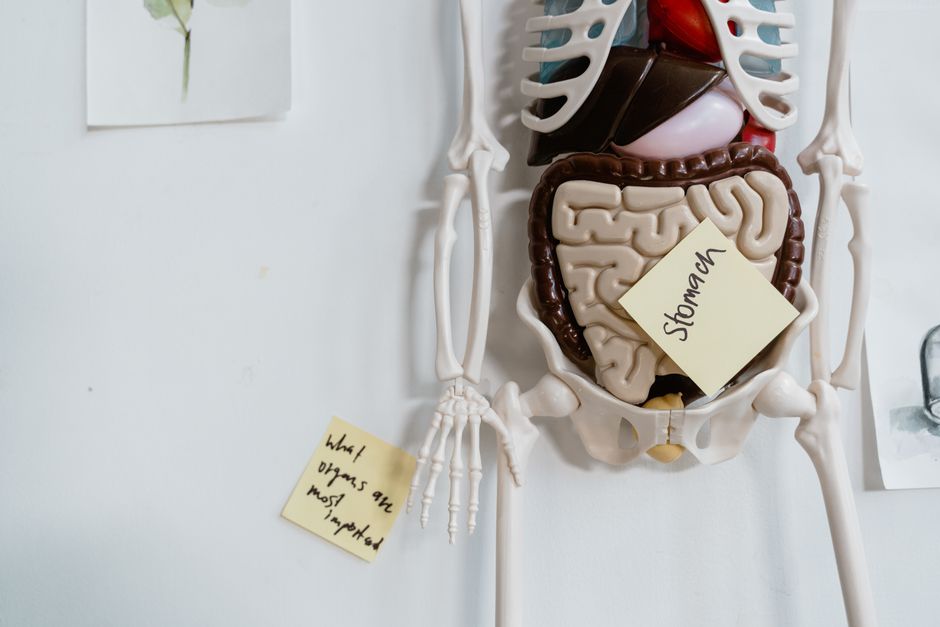
The rectum is the final storage chamber of your digestive tract. It holds stool until your body is ready to release it. It also triggers the urge to go to the bathroom and helps control when that happens. Most people never think about it until something goes wrong — but it does real work every single day.
By the time waste reaches the rectum, your body has already absorbed most of the water, nutrients, and electrolytes it needs. What is left is stool. The rectum’s job is to manage that stool — store it, sense it, and coordinate its release. It is a short segment, roughly the last several inches of the large intestine, but its role is not minor. Without a functioning rectum, bowel control becomes a serious medical problem.
What Does The Rectum Do In The Digestive System?
The rectum serves two main functions: storage and signaling. It temporarily holds stool and sends signals to your brain when it is time to have a bowel movement.
When stool moves from the colon into the rectum, the rectal walls stretch. Stretch receptors in the rectal wall detect this and send signals through nerves to the spinal cord and brain. That is what creates the sensation you need to go. This process is called the defecation reflex.
The rectum also plays a role in distinguishing between stool and gas. Specialized nerve endings in the rectal lining can tell the difference. That ability matters more than most people realize — it is part of why you can pass gas without also passing stool.
Once the brain decides it is an appropriate time to have a bowel movement, it signals the muscles around the anus to relax and the abdominal muscles to push. If the timing is not right, the external anal sphincter stays contracted and the rectum can hold the stool temporarily. The stool may move back up into the colon for a short time, reducing the urge.
How Does The Rectum Know When You Need To Go?
The rectum does not decide anything on its own. It works with the nervous system to manage bowel movements.
The process starts with stretch. As stool fills the rectum, the walls expand. Nerve cells in the rectal wall respond to that expansion and send messages upward. These messages travel to the spinal cord first, then to the brain.
The brain evaluates the situation. If it is not a good time, the brain sends signals that keep the external sphincter closed. The urge may fade for a few minutes. If it is a good time, the brain signals the sphincter to relax and the rectum to contract.
This is why severe stress or a spinal cord injury can affect bowel control. The reflex itself is partly automatic, but the brain’s involvement is what allows you to delay a bowel movement until you reach a bathroom.
There is a detail here that surprises many people: the rectum is not just a passive tube. It actively samples the contents passing through. Specialized cells in the rectal lining can detect whether the material is solid, liquid, or gas. That information goes to the brain and helps it decide how to respond.
What Is The Difference Between The Rectum And The Anus?
The rectum and anus are separate structures with different jobs. The rectum stores stool. The anus is the opening through which stool leaves the body.
The rectum is a muscular tube about 6 to 8 inches long in adults. It sits above the anal canal. The anal canal is shorter — roughly 1 to 2 inches — and contains two sphincter muscles. The internal sphincter works automatically. The external sphincter is under voluntary control.
When stool enters the anal canal, the internal sphincter relaxes automatically. The external sphincter is what you consciously tighten if you need to hold it. This two-muscle system is why bowel control is possible.
Problems in the rectum and problems in the anus can feel similar but have different causes. Hemorrhoids, for example, are swollen veins in the anal canal, not the rectum. Rectal prolapse involves the rectum pushing through the anus. These are distinct conditions.





What Conditions Affect The Rectum?
Several conditions can affect rectal function. Some are common and treatable. Others are more serious.
- Hemorrhoids — swollen veins in the lower rectum or anus. They can cause bleeding, itching, or pain.
- Anal fissures — small tears in the anal lining. They cause sharp pain during bowel movements.
- Rectal prolapse — the rectum slips down and pushes through the anal opening. This is more common in older adults and women who have had multiple vaginal deliveries.
- Proctitis — inflammation of the rectal lining. It can be caused by infections, inflammatory bowel disease, or radiation therapy.
- Colorectal cancer — cancer can develop in the rectum or colon. Rectal cancer is a subset of colorectal cancer.
- Fecal incontinence — difficulty controlling bowel movements. It can result from muscle damage, nerve damage, or other conditions.
Symptoms that warrant medical attention include rectal bleeding, persistent pain, a change in bowel habits lasting more than a few weeks, or a feeling of incomplete emptying. These symptoms do not automatically mean cancer, but they should be evaluated by a doctor.
How Does The Rectum Change With Age?
Rectal function can change as you get older. Muscles weaken. Nerve signals may slow. Connective tissue loses some of its elasticity.
These changes can make it harder to hold a bowel movement or to fully empty the rectum. Chronic constipation becomes more common. So does fecal incontinence, especially in adults over 65.
Age-related changes are not inevitable. Staying hydrated, eating enough fiber, and staying physically active can help support bowel regularity. But some decline in rectal function is a normal part of aging for many people.
It is also worth noting that the rectum does not lose its ability to sense stretch entirely. Even in older adults, the defecation reflex still works. The issue is often the muscles and nerves around it, not the rectum itself.
Can You Live Without A Rectum?
Yes. Some people have their rectum removed due to cancer, severe inflammatory bowel disease, or other conditions. When the rectum is removed, surgeons create a way for waste to leave the body.
The most common approach is a colostomy or ileostomy. The end of the colon or small intestine is brought through the abdominal wall and attached to a bag called an ostomy pouch. Waste collects in the pouch and is emptied manually.
Another option is an ileoanal pouch, also called a J-pouch. In this procedure, the surgeon creates a pouch from the end of the small intestine and connects it to the anus. This allows waste to leave through the anus, but bowel movements tend to be more frequent and looser than before.
Life without a rectum is different, but it is manageable. Many people with ostomies or pouches live full, active lives. The key is working with a surgeon and an ostomy nurse to learn how to manage the new setup.
How Can You Support Rectal Health?
There is no guaranteed way to prevent rectal problems. But some habits support overall bowel health.
- Eat enough fiber — fruits, vegetables, whole grains, and legumes.
- Drink enough water throughout the day.
- Stay physically active.
- Do not ignore the urge to have a bowel movement.
- Avoid straining during bowel movements.
- Get recommended colorectal cancer screenings.
Fiber and water help keep stool soft and bulky, which makes it easier to pass. Physical activity supports healthy bowel function. Ignoring the urge can lead to constipation over time.
Colorectal cancer screening is one of the most effective ways to catch problems early. The U.S. Preventive Services Task Force recommends screening for adults starting at age 45. People with a family history or other risk factors may need to start earlier. Your doctor can advise on the right timing for you.
Rectal bleeding should never be ignored. It is often caused by hemorrhoids or fissures, but it can also be a sign of something more serious. A doctor can determine the cause.
Frequently Asked Questions
What does the rectum do in the digestive system?
The rectum stores stool until it is ready to leave the body. It also sends signals to the brain that create the urge to have a bowel movement.
How long can stool stay in the rectum?
Stool can stay in the rectum for minutes to hours, depending on how quickly you respond to the urge. If you delay a bowel movement, stool may move back into the colon temporarily.
Can you have a bowel movement without a rectum?
Yes, but not in the usual way. People without a rectum use an ostomy pouch or a surgically created internal pouch connected to the anus.
When should I see a doctor about rectal symptoms?
See a doctor if you have rectal bleeding, persistent pain, a lasting change in bowel habits, or a feeling of incomplete emptying. These symptoms have many possible causes, and only a doctor can determine what is behind them.
