
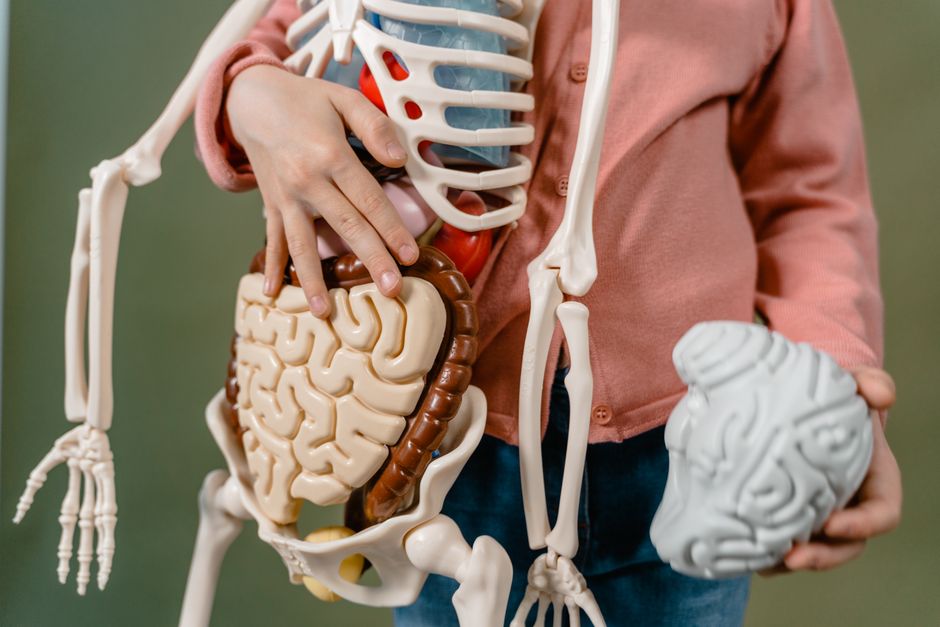
If the digestive system stopped working completely, the body would lose its only route for absorbing water, nutrients, and electrolytes from food. Within days, blood sugar would fall, cells would begin breaking down fat and muscle for fuel, and severe dehydration would follow. Without medical intervention, this state is fatal — the exact timeline depends on how much function is lost and how quickly fluids and nutrition can be delivered another way.
That is the short answer. The longer answer is more interesting, because “the digestive system stopping” isn’t one single event. It can mean a blocked bowel, a paralyzed gut, a failing blood supply, or a liver that can no longer process what the intestines absorb. Each looks different, and each plays out on its own clock.
What does the digestive system actually do?
The digestive system is not just a tube that moves food along. It is a long, coordinated assembly line that breaks food into molecules small enough to enter the bloodstream, then absorbs those molecules across a surface area roughly the size of a studio apartment.
That surface is the small intestine, lined with millions of tiny finger-like projections called villi. Each villus carries even smaller projections called microvilli. This folding is what lets a person absorb grams of sugar, amino acids, fats, vitamins, and minerals from a single meal.
The system has four core jobs:
- Move food and waste through the tract using coordinated muscle contractions called peristalsis
- Break food down with acid, enzymes, and bile
- Absorb water, nutrients, and electrolytes into the blood
- Keep a barrier between the contents of the gut and the rest of the body
The colon handles most water absorption. The liver processes nearly everything the intestines absorb before it reaches the rest of the body. The pancreas supplies digestive enzymes and bicarbonate. When any of these pieces fails, the whole system can stall.
What would happen if the digestive system stopped working?
If absorption stopped entirely, the body would begin running on reserves it cannot replace. The first problems would appear within hours. The most serious would appear within days.
Water and electrolytes are the most urgent. A healthy adult loses water constantly through urine, sweat, and breathing. When the gut can no longer absorb replacement fluid, blood volume drops. Blood pressure falls. The heart speeds up to compensate. This is dehydration, and it can progress to shock.
Blood sugar is next. The body stores glucose in the liver as glycogen, but those stores are limited. When they run out, the body turns to fat and then muscle protein. Burning fat without enough carbohydrate produces acidic compounds called ketones. In large amounts, this shifts the blood’s acid-base balance — a state called ketoacidosis — which can be life-threatening.
Nutrient deficiencies develop more slowly. Vitamins and minerals already stored in the body can carry a person for weeks or longer, depending on the nutrient. Vitamin B12, for example, is stored in the liver in amounts that can last for years. Others, like thiamine, run out far faster.
The barrier function also matters. The gut lining normally keeps bacteria and toxins from crossing into the bloodstream. When that barrier breaks down — a problem clinicians call increased intestinal permeability — bacteria can enter circulation and trigger a body-wide inflammatory response.
Which medical conditions actually cause the digestive system to stop?
Complete shutdown of the digestive system is rare, but partial failure is a real clinical problem. Several conditions can cause it, and they are not interchangeable.
Paralytic ileus is when the muscles of the bowel stop contracting without a physical blockage. It often follows abdominal surgery, severe infection, or electrolyte imbalances. The bowel is open, but nothing moves.
Mechanical bowel obstruction is a physical blockage — from scar tissue, a tumor, or a twisted segment of intestine. Content builds up behind the blockage. Pressure rises. If untreated, the bowel wall can lose its blood supply and perforate.
Mesenteric ischemia is a loss of blood flow to the intestines. This is a medical emergency. Tissue dies quickly without oxygen, and the mortality rate is high even with prompt treatment. It is not the same as a slow-absorbing gut.
Short bowel syndrome occurs when a large portion of the small intestine is removed or non-functional. Absorption drops because there is simply less surface area. Some people with this condition need long-term intravenous nutrition.
Liver failure is a different kind of shutdown. The intestines may absorb nutrients normally, but the liver cannot process them. Toxins build up, including ammonia, which affects the brain.
Each of these requires different care. A blockage may need surgery. An ileus often resolves with supportive care. Ischemia needs immediate intervention. Lumping them together as “digestive failure” hides the fact that the treatment and outlook vary widely.




How long can a person survive without a working digestive system?
Survival depends on what is still functioning and what medical support is available. There is no single number.
Without any fluid replacement, an adult can typically survive only a few days to about a week in a hot environment or with ongoing losses. In cooler conditions and with no exertion, survival can stretch longer. These figures come from clinical observation and are not precise for any individual.
Without any nutrition at all but with adequate fluids, a person can survive for weeks to months, depending on body reserves. This is what happens during prolonged fasting, which is different from gut failure because the gut is intact and the person is otherwise healthy.
With modern medical support, the picture changes entirely. Intravenous fluids replace water and electrolytes. Total parenteral nutrition (TPN) delivers nutrients directly into a vein, bypassing the gut altogether. People have lived for years on TPN. It is not a cure for the underlying problem, and it carries its own risks — including bloodstream infections and liver complications — but it keeps people alive when the digestive tract cannot.
The honest position: survival timelines without support are estimates based on physiology and clinical experience, not on controlled studies, and no ethical trial could ever produce precise numbers.
What are the warning signs that digestion is failing?
Digestion rarely stops without warning. The body gives signals, though they can be easy to dismiss at first.
- Severe, persistent abdominal pain, especially if it comes on suddenly
- Vomiting that will not stop, particularly if it becomes green or dark
- A swollen, hard, or tender abdomen
- No bowel movement or gas for a day or more, especially with pain
- Rapid heartbeat, dizziness, or confusion — signs of dehydration or shock
- Cold, clammy skin or a sense that something is seriously wrong
These symptoms do not confirm a specific diagnosis on their own. Many conditions can produce them, and only a clinician with imaging and lab tests can tell them apart. What matters is that these signs warrant urgent medical attention rather than waiting to see if things improve.
One point worth clarifying: the absence of a bowel movement alone is common and usually not dangerous. Constipation affects most people at some point. The concern is when it appears together with severe pain, vomiting, or a swollen abdomen — that combination points toward something more serious.
Can the digestive system recover after it stops working?
Recovery is possible in many cases, but it depends entirely on the cause. A paralyzed bowel after surgery often wakes up on its own within a few days with supportive care. An obstruction relieved by surgery usually allows normal function to return. Short bowel syndrome may improve over time as the remaining intestine adapts — a process called intestinal adaptation — though not everyone recovers enough to stop intravenous nutrition.
Mesenteric ischemia is different. If a large section of intestine dies, it must be removed, and the person may be left with permanent absorption problems. Liver failure may require a transplant to restore normal processing.
There is no single recovery timeline. Some people return to normal eating within days. Others need lifelong support. The variables that matter most are how much tissue was lost, how quickly treatment started, and the person’s overall health before the event.
What is clear is that the digestive system is not optional. It is the only built-in mechanism for turning food into the molecules the body needs to function. When it fails, modern medicine can substitute for parts of it — fluids, nutrients, electrolytes — but it cannot fully replace it.
Frequently Asked Questions
What would happen first if the digestive system stopped working?
Dehydration would be the first serious problem, because the body loses water continuously and cannot replace it. Blood pressure would drop and the heart would speed up to compensate.
Can you survive without a working digestive system?
Yes, but only with medical support such as intravenous fluids and total parenteral nutrition. Without that support, survival is measured in days to weeks depending on fluid losses.
How long can the body go without absorbing nutrients?
With adequate fluids, a person can survive weeks to months on stored reserves, depending on body fat and prior health. Nutrient deficiencies develop at different rates for different vitamins and minerals.
What is the difference between an ileus and a bowel obstruction?
An ileus is when the bowel muscles stop contracting without a physical blockage, while an obstruction is a physical blockage that content cannot pass. Both cause similar symptoms but require different treatment.
