
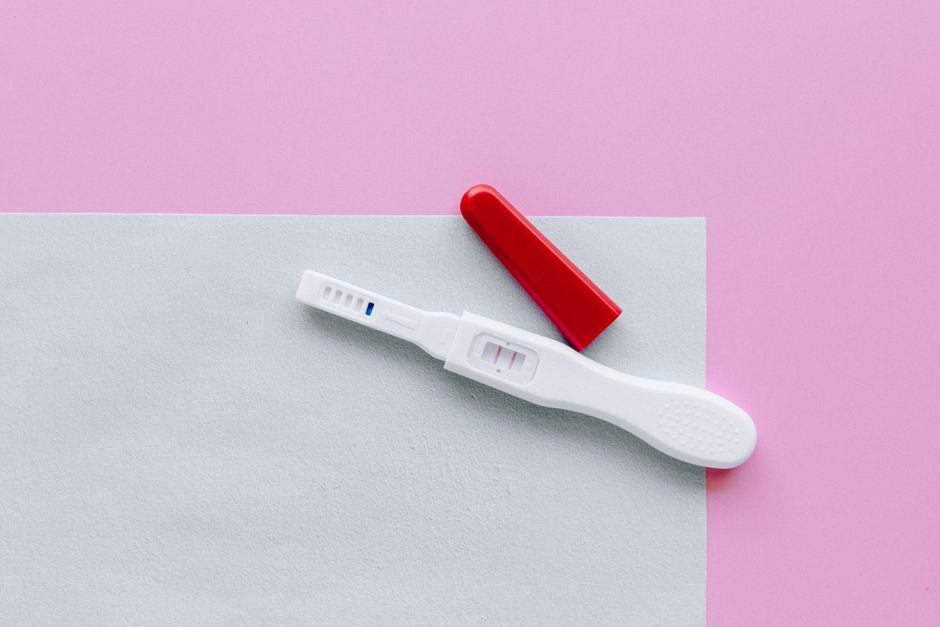
A missed period can be deeply unsettling, especially when a home pregnancy test shows a negative result. You are not imagining things, and you are not alone in this confusion. The most common explanation is that you ovulated later than usual this cycle, which simply delays your period and means the pregnancy hormone hasn’t built up enough to be detected yet. However, several other factors, from stress to hormonal conditions, can also pause your cycle. Understanding why this happens is the first step toward figuring out what your body is telling you.
Why Did My Test Come Back Negative If My Period Is Late?
Home pregnancy tests detect the hormone human chorionic gonadotropin (hCG). Your body only produces hCG after a fertilized egg implants in the uterus. If you test too early, your urine may not have enough of this hormone for the test to pick up.
The timing matters more than most people realize. A test taken on the first day of a missed period is accurate about 99% of the time for women who ovulate on day 14 of their cycle. But ovulation is rarely that predictable. If you ovulated even a few days later than usual, your period will be late, and your hCG levels will still be too low to detect. The test isn’t wrong; it’s simply too early.
If you have irregular cycles, you might not know exactly when you ovulated. A negative test with a late period often means you are just not as far along as you thought you were. Retesting in two to three days usually provides a clearer answer if pregnancy is the cause.
What Does a Negative Pregnancy Test Actually Mean?
A negative result means the test did not find hCG in your urine at that moment. It does not definitively mean you are not pregnant, especially if you tested early. The accuracy depends heavily on the test’s sensitivity and the concentration of your urine.
For the most reliable result, use your first morning urine. It is the most concentrated and contains the highest levels of hCG if you are pregnant. Testing after drinking a lot of water can dilute your urine and cause a false negative. If you are taking a medication that contains hCG, such as some fertility treatments, that can also affect results, but this is less common.
When Is a Negative Test a True Negative?
A negative test is highly reliable if you have a regular 28-day cycle and you test after your period is more than a week late. By that point, hCG levels are typically high enough for any standard test to detect them. If the test is negative then, pregnancy is unlikely to be the reason for your missed period.
If you have irregular cycles, the timeline shifts. You cannot rely on a calendar date. You have to rely on the timing of ovulation. If you are not tracking ovulation with temperature or ovulation predictor kits, you are essentially guessing. In that case, a negative test may simply reflect that you haven’t reached the point where hCG would be detectable yet.





What Else Can Cause a Missed Period Besides Pregnancy?
Many conditions can interrupt your menstrual cycle. The most common cause is anovulation, meaning you did not ovulate at all this cycle. Without ovulation, you don’t produce progesterone, which is the hormone that triggers your period. Your cycle just stalls.
Here are the most frequent reasons for a late or missed period when you are not pregnant:
- Stress: High stress levels can suppress the hormones that regulate ovulation. This is one of the most common causes of a delayed period.
- Significant weight changes: Rapid weight loss or gain can disrupt your hormone balance and stop ovulation.
- Excessive exercise: Intense training without enough rest can interfere with the hypothalamus, the brain region that controls your cycle.
- Polycystic ovary syndrome (PCOS): This condition causes hormonal imbalances that often lead to irregular or absent periods.
- Thyroid disorders: Both an overactive and underactive thyroid can affect ovulation and menstruation.
- Perimenopause: For women in their late 30s to 40s, hormone levels naturally fluctuate as you approach menopause, causing skipped periods.
- Certain medications: Birth control, some antidepressants, and other drugs can affect your cycle.
These conditions are all well-documented causes of menstrual irregularities. If any of these apply to you, it is worth discussing with a healthcare provider.
Could It Be a Chemical Pregnancy or Ectopic Pregnancy?
A chemical pregnancy is a very early miscarriage that happens shortly after implantation. You might have a positive test, but more often, you get a negative test and then your period arrives late and heavier than usual. It can be emotionally difficult, but it is a common occurrence and does not typically affect future fertility.
An ectopic pregnancy is a pregnancy that implants outside the uterus, usually in a fallopian tube. This is a medical emergency. In an ectopic pregnancy, hCG levels rise more slowly than in a normal pregnancy. This means you could have a negative home test even though you are pregnant. If you have a late period, negative tests, and abdominal pain or unusual bleeding, seek medical care immediately. This is not something to wait out at home.
How Long Should I Wait Before Testing Again?
If you still have no period and your test is negative, wait two to three days and test again. This gives your body time to produce hCG if you are pregnant. If you are not pregnant, your period will eventually arrive when your hormones rebalance.
If you have gone more than 60 days without a period and have had multiple negative tests, you should see a doctor. This is called secondary amenorrhea, and it requires evaluation. Your doctor can run blood tests to check hormone levels and an ultrasound to examine your ovaries and uterus.
Is There a Medical Reason to See a Doctor Right Away?
Yes, in certain situations. If you have a negative pregnancy test but also experience sharp pain on one side of your lower abdomen, dizziness, or shoulder pain, seek emergency care. These can be signs of an ectopic pregnancy, even with a negative home test.
Otherwise, schedule an appointment if your period is consistently irregular or if you have missed two or more consecutive periods. A simple blood test can tell you with certainty whether you are pregnant, and it can be done at any time of day without the risk of a false negative.
Frequently Asked Questions
Can stress delay my period even if I am not pregnant?
Yes, stress is a common cause of delayed ovulation and missed periods. When stress hormones rise, they can suppress the hormones needed for ovulation, which pushes your entire cycle back.
How late can a period be before I should worry?
A period is considered late if it is more than a few days past your expected date. If you have gone more than 60 days without a period and have had negative tests, you should consult a doctor.
Can a pregnancy test be negative and I am still pregnant?
Yes, this happens most often when you test too early. Your hCG levels may be too low to detect. Testing again after two to three days with your first morning urine is the best way to confirm.
What does a negative test mean if I have irregular periods?
It is less reliable because you do not know when you ovulated. A negative test may simply mean you ovulated late or not at all this cycle. Blood testing by a doctor is the most accurate method.
