
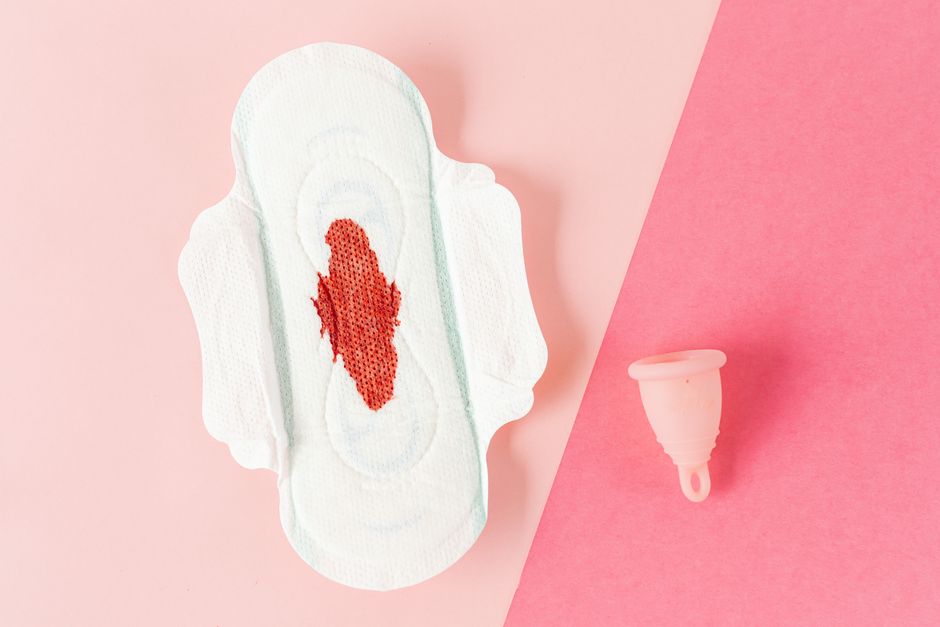
A period that arrives a few days late is one of the most common reasons people search for answers online. The most frequent cause is a normal shift in ovulation timing, which can happen for many everyday reasons. Stress, illness, travel, sleep changes, and weight shifts can all delay ovulation. When ovulation happens later than usual, the period that follows it also arrives later. Pregnancy is another possible cause and is usually the first thing to rule out.
Why Is My Period A Few Days Late Common Causes?
Menstrual cycles are not metronomes. A cycle that runs a few days long is still considered within the normal range for most people.
The medical definition of a typical cycle is 21 to 35 days from the first day of one period to the first day of the next. A cycle that shifts by a few days from month to month is normal. What matters more than the exact length is whether your cycle has changed in a way that is unusual for you.
The most common reasons a period runs a few days late include:
- Ovulation happened later than usual this cycle
- Stress or a stressful event in the past few weeks
- Illness, fever, or infection
- Significant sleep changes or travel across time zones
- Weight loss or weight gain
- Intense exercise or a new training routine
- Pregnancy
- Perimenopause (in people in their 40s and sometimes late 30s)
- Thyroid problems
- Medication side effects
Most of these causes are temporary. A single late period rarely signals a serious problem on its own. A pattern of late or irregular periods is worth discussing with a doctor.
How Ovulation Timing Controls When Your Period Starts
The second half of the menstrual cycle is remarkably consistent. This is the key fact that explains most late periods.
The cycle has two main phases. The first phase, called the follicular phase, runs from the first day of your period until ovulation. This phase can vary a lot from person to person and from cycle to cycle. The second phase, called the luteal phase, runs from ovulation until the next period starts. The luteal phase is typically about 14 days, though a range of roughly 11 to 16 days is considered normal.
Because the luteal phase is fairly fixed, the timing of your period depends mostly on when you ovulated. If ovulation happened three days later than usual, your period will likely arrive about three days later than usual. This is the single most common explanation for a slightly late period in someone with otherwise regular cycles.
Many things can push ovulation later. The body treats ovulation as a resource-intensive process, and it can delay or skip it when conditions are not ideal. This is why stress, illness, and weight changes show up so often as causes.
Can Stress Really Delay Your Period?
Yes. Stress is one of the most well-established causes of a late or missed period.
The mechanism is well understood. The hypothalamus, a region at the base of the brain, controls the hormone signals that trigger ovulation. When the body is under significant stress, the hypothalamus can reduce or change those signals. Ovulation may be delayed, or it may not happen at all in that cycle.
Importantly, the stress does not have to be extreme. A difficult few weeks at work, a family conflict, poor sleep, or a big life change can be enough. The timing also matters. Stress in the first half of the cycle, before ovulation, is more likely to delay the period than stress in the second half.
This is one of the less obvious points about late periods. People often look for a physical cause when the trigger was emotional or psychological. If you have had a stressful month and your period is a few days late, stress is a reasonable explanation to consider.





When Could a Late Period Mean Pregnancy?
Pregnancy is a possible cause of a late period and is usually the first thing to check.
A home pregnancy test is most reliable after a missed period. Testing too early can give a false negative because the hormone the test detects may not have risen enough yet. If a test is negative but your period still does not come, testing again a few days later is reasonable.
Early pregnancy does not always cause obvious symptoms. Some people notice breast tenderness, fatigue, or mild cramping. Others notice nothing at all. Because symptoms are unreliable, a test is the only way to know.
If you could be pregnant and you have symptoms such as severe one-sided pain, heavy bleeding, or dizziness, seek medical care right away. These can be signs of an ectopic pregnancy, which is a medical emergency.
What Else Can Make a Period Late?
Several other factors can shift your cycle. Most are common and manageable.
Weight changes. Losing or gaining a significant amount of weight can affect the hormone signals that control ovulation. Low body weight and rapid weight loss are well-known causes of irregular or missed periods.
Intense exercise. High training loads, especially combined with low calorie intake, can disrupt ovulation. This is seen in some athletes and in people who exercise very intensely.
Thyroid problems. Both an underactive and an overactive thyroid can affect the menstrual cycle. Thyroid conditions are common and can be checked with a blood test.
Perimenopause. In the years before menopause, cycles often become irregular. Periods may come late, early, or be skipped. This usually begins in a person’s 40s, though it can start earlier.
Medications. Some medications can affect the cycle. These include certain hormonal treatments, some antidepressants, and some antipsychotics. If you suspect a medication is affecting your cycle, talk with your doctor rather than stopping it on your own.
Chronic conditions. Conditions such as polycystic ovary syndrome (PCOS) can cause irregular cycles. PCOS often causes cycles that are consistently long or unpredictable rather than a single late period.
When Should You See a Doctor About a Late Period?
A single late period in someone with regular cycles is usually not a concern. Certain patterns do warrant a medical visit.
Consider talking with a doctor if:
- You have missed three or more periods in a row
- Your cycles have become consistently irregular
- Your periods stopped for 90 days or longer and you are not pregnant
- You have other symptoms such as unusual hair growth, acne, or hot flashes
- You are trying to conceive and your cycles are irregular
- You have severe pain, very heavy bleeding, or bleeding between periods
There is no single threshold that applies to everyone. A cycle that is normal for one person may be unusual for another. The most useful guide is your own baseline. If something has changed and stayed changed, it is reasonable to get it checked.
Does a Late Period Always Need a Cause?
No. Sometimes there is no identifiable reason, and the cycle simply shifts.
Cycle length naturally varies. Research on menstrual cycles shows that even in people with regular cycles, the length can vary by several days from month to month. An occasional late period that corrects itself is common and usually not a sign of a problem.
This is worth keeping in mind because searching for a cause when there may not be one can create unnecessary worry. If your period arrives a few days late once and then returns to its usual pattern, there is often nothing to explain.
That said, a late period is still useful information. It can be a signal that something in your life changed, whether that was stress, sleep, weight, or activity level. Paying attention to patterns over several months can help you understand your own cycle better.
Frequently Asked Questions
How many days late is a period considered late?
A period is generally considered late if it has not started within a few days of when you expected it. Because cycle length naturally varies, a one or two day shift is usually normal. A period that is a week or more late is more likely to have a specific cause worth checking.
Can stress alone make my period a few days late?
Yes, stress is one of the most common and well-established causes of a late period. Stress can delay ovulation, and because the second half of the cycle is fairly fixed, a delay in ovulation pushes the period later too.
How soon can I take a pregnancy test if my period is late?
A home pregnancy test is most reliable after your period is already late. Testing too early can give a false negative because the hormone the test detects may not have risen enough yet. If the first test is negative and your period still has not come, testing again in a few days is reasonable.
Should I worry about one late period?
A single late period in someone with otherwise regular cycles is usually not a concern. It is worth seeing a doctor if you miss three or more periods in a row, if your cycles become consistently irregular, or if you have other symptoms like severe pain or unusual bleeding.
