
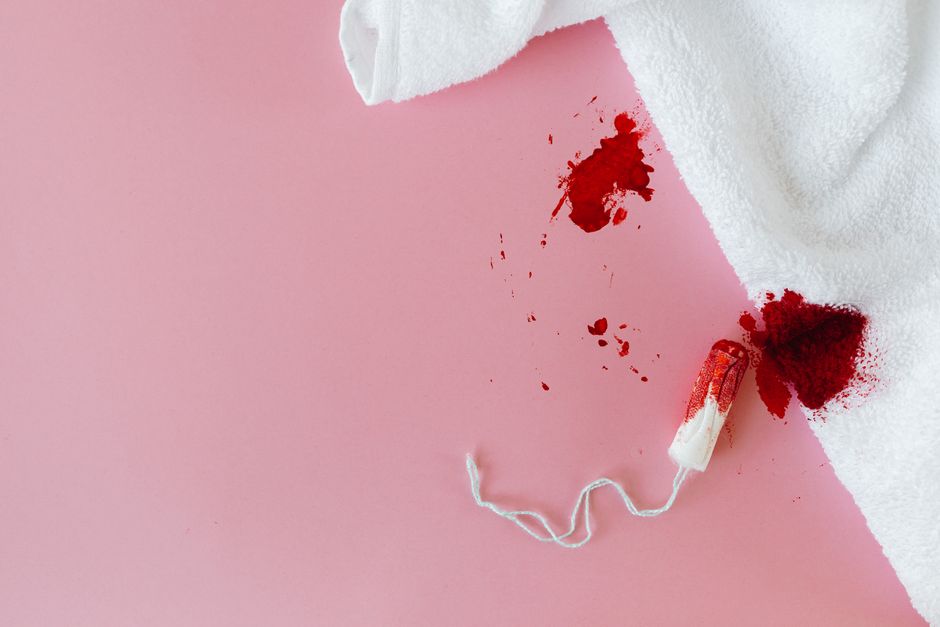
Menstrual blood is not just blood. It is a mixture of blood, cervical mucus, vaginal secretions, and tissue from the lining of the uterus. That mucus is the main reason period blood can look thick, stringy, gel-like, or sticky. Sticky period blood is usually normal. It reflects how the body builds and sheds the uterine lining, and how that lining mixes with cervical mucus on the way out.
What makes it sticky is the ratio of mucus to fluid blood. When cervical mucus is abundant or the flow is light, the mixture looks thicker. When flow is heavy, it looks thinner and more liquid. Hormones, flow speed, and where you are in your cycle all shift that balance. Most sticky period blood needs no treatment. A few patterns are worth mentioning to a doctor.
Why Is My Period Blood Sticky? Root Causes
Cervical mucus is the primary cause. The cervix produces mucus all month, and its texture changes with hormones. Around ovulation, estrogen makes it clear, stretchy, and wet — similar to raw egg white. After ovulation, progesterone makes it thicker and tackier. When that thicker mucus mixes with menstrual blood, the result is the sticky or gel-like texture many people notice.
Menstrual blood also contains anticoagulant substances and enzymes that help it pass. When flow is slow, those substances have more time to act and the blood can clot or thicken. When flow is fast, there is less time for that process, so the blood stays runnier.
Other common contributors include:
- Light flow days — less liquid blood relative to mucus makes the mixture look stickier.
- Clotting — small clots are normal, especially on heavier days.
- Hormonal shifts — progesterone-dominant cycles tend to produce thicker mucus.
- Dehydration — less fluid intake can concentrate all body fluids, including menstrual flow.
- Birth control — hormonal methods change the uterine lining and cervical mucus, which can change texture.
None of these are dangerous on their own. The texture is a signal about flow and hormones, not a diagnosis.
Is Sticky Period Blood Normal?
Yes, in most cases. Sticky, stringy, or gel-like period blood is a normal variation. The menstrual fluid leaving the body is a mix, and its consistency changes from day to day and cycle to cycle.
What matters more than texture is the overall pattern. Doctors pay attention to how heavy the flow is, how long it lasts, whether there is pain, and whether the pattern has changed recently. A one-off sticky cycle is rarely meaningful. A lasting change is worth a conversation.
Texture alone is not a reliable sign of a health problem. Many people with completely normal cycles notice sticky blood at some point. It is common enough that it should not cause alarm by itself.
What Does the Research Say About Menstrual Blood Consistency?
The scientific literature on menstrual blood texture is limited. Most research focuses on volume, duration, and clotting disorders rather than the everyday consistency people see on a pad or in a cup. That means much of what is known comes from clinical observation and basic reproductive physiology, not from large studies on texture specifically.
What is well established is the composition of menstrual fluid. It contains blood, cervical mucus, endometrial tissue, and vaginal cells. Cervical mucus is a gel-like substance made mostly of water and mucin proteins. Its thickness is directly controlled by estrogen and progesterone. That hormonal control is why texture shifts across the cycle.
Research on menstrual blood also shows it does not clot the same way blood from a cut does. The lining of the uterus releases substances that break down clots so the tissue can pass. This is why period blood often looks different from ordinary blood — sometimes thinner, sometimes clottier, sometimes stringy.
Because direct studies on sticky texture are sparse, no clinical guideline defines a specific “normal” consistency. The honest position is that texture varies widely and is not, by itself, a diagnostic marker.





When Sticky Period Blood Might Signal a Health Issue
Texture alone rarely points to a problem. Other symptoms matter more. A doctor would look at the full picture rather than the stickiness by itself.
Some signs worth discussing with a clinician include:
- Periods that soak through a pad or tampon every hour for several hours in a row.
- Clots larger than a quarter.
- Bleeding that lasts longer than seven days.
- Severe pain that interferes with daily life.
- Bleeding between periods or after sex.
- A sudden, lasting change in your usual pattern.
- Signs of low iron, such as fatigue, shortness of breath, or pale skin.
These can be linked to conditions such as fibroids, hormonal imbalances, thyroid problems, or bleeding disorders. None of them are diagnosed by texture. They are diagnosed through history, exam, and testing. If any of these apply, see a doctor rather than trying to interpret the cause from the appearance of the blood.
Heavy menstrual bleeding is common and treatable. It is also under-reported, partly because many people assume heavy periods are just their normal. If bleeding regularly disrupts work, sleep, or daily activities, that is a reason to get checked.
How Hormones Change the Texture of Period Blood
Hormones drive the entire cycle, and they drive texture too. Estrogen and progesterone rise and fall in a predictable pattern, and each shift changes both the uterine lining and cervical mucus.
In the first half of the cycle, estrogen builds the uterine lining and thins cervical mucus. After ovulation, progesterone takes over. It stabilizes the lining and thickens cervical mucus. If pregnancy does not occur, hormone levels drop and the lining sheds as a period.
This is why the same person can have thin, watery blood one cycle and thick, sticky blood the next. Cycle-to-cycle variation is normal. So is variation within a single period — early flow often looks different from late flow.
Hormonal birth control changes this pattern on purpose. Pills, rings, implants, and hormonal IUDs alter the uterine lining and cervical mucus, which commonly changes flow volume and texture. A thinner lining often means lighter, sometimes stickier or more brownish flow. That is an expected effect, not a sign of harm.
Does Dehydration Make Period Blood Sticky?
Dehydration can concentrate body fluids, and menstrual fluid is no exception. When you take in less water, all secretions — including cervical mucus — can become thicker. That can make period blood look stickier than usual.
This is a reasonable explanation for a temporary change, but it is not the main driver for most people. Cervical mucus thickness is primarily hormonal. Hydration plays a supporting role, not a leading one.
Drinking enough water is good general health advice. It is not a proven treatment for period texture, because no studies have tested it for that specific purpose. If you notice stickier blood during a stretch of poor hydration, that is a plausible link — but it is not the whole story.
What About Clots in Period Blood?
Small clots are normal. The body releases anticoagulant substances to keep menstrual blood flowing, but when flow is heavy, those substances cannot always keep up. Blood pools in the uterus or vagina and forms a gel-like clot before it leaves the body.
Clots are most common on the heaviest days of a period. They often look like dark red or maroon jelly. The stickiness many people notice is closely related to this same clotting process.
Occasional small clots are not a concern. Clots larger than a quarter, or clots that come with very heavy bleeding, are worth mentioning to a doctor. They can be a sign of heavy menstrual bleeding, which has several possible causes and several treatment options.
When to See a Doctor About Period Blood Changes
See a doctor if your period pattern changes in a way that lasts. Texture by itself is rarely the reason to go in. The reasons are usually about volume, duration, pain, or timing.
Book an appointment if you have bleeding that soaks through protection quickly, periods lasting more than seven days, bleeding between periods, pain that disrupts your life, or symptoms of low iron. Also see a doctor if you could be pregnant, or if you have gone more than 90 days without a period and are not pregnant.
Bring notes if you can. Tracking flow, timing, clots, and pain gives a clinician far more to work with than a description of texture alone. Most causes of unusual bleeding are manageable once identified.
Frequently Asked Questions
Why is my period blood sticky and stringy?
Sticky, stringy period blood usually means cervical mucus is mixed with blood, which is normal. The mucus thickens under the influence of progesterone, especially after ovulation.
Is sticky period blood a sign of pregnancy?
No, sticky period blood is not a reliable sign of pregnancy. If you are pregnant, you would typically miss a period rather than have a normal one, so a pregnancy test is the only way to know.
Does sticky period blood mean I have an infection?
Texture alone does not indicate an infection. Infections are more often linked to unusual odor, itching, pain, fever, or discharge changes, so see a doctor if you have those symptoms.
Can dehydration cause sticky period blood?
Dehydration can thicken body fluids, including cervical mucus, so it may play a small role. Hormones are the main driver of menstrual blood texture.
