
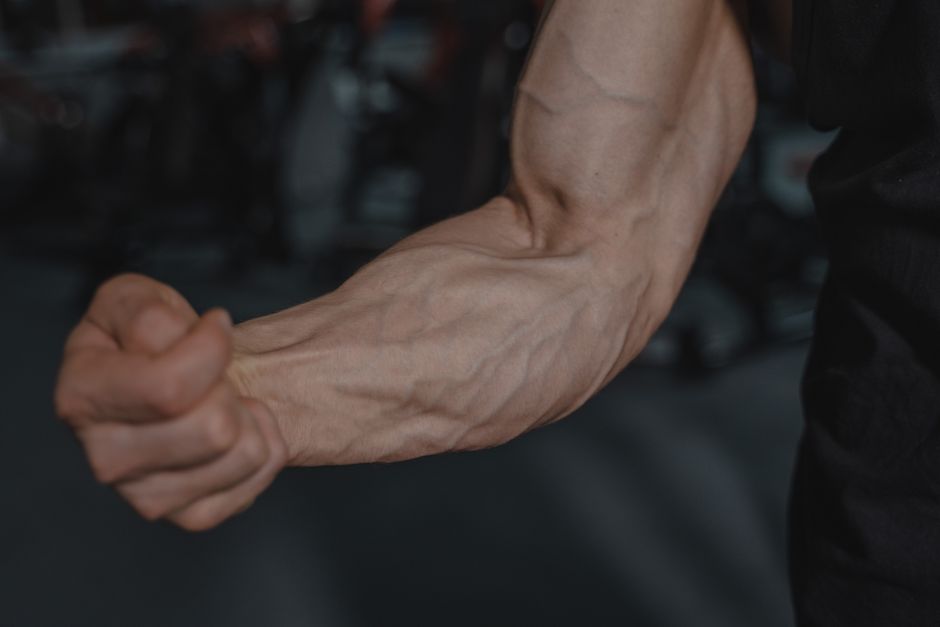
That strange pulsing sensation in your forearm is almost always a muscle twitch (fasciculation), not your pulse. You are feeling a small bundle of muscle fibers contracting on their own. It is usually harmless and temporary, caused by fatigue, dehydration, or too much caffeine.
What Is the Difference Between a Muscle Twitch and Feeling Your Pulse?
A muscle twitch is a small, involuntary contraction of muscle fibers. You can see it move under your skin. It feels like a quick flutter or jump. Your pulse, on the other hand, is the expansion of an artery each time your heart beats. You feel it as a rhythmic thumping.
The key difference is rhythm. Your pulse is steady and matches your heartbeat. A muscle twitch is random, irregular, and often stops if you move the muscle. If the sensation is perfectly regular like a metronome, it is likely your pulse. If it jumps around, it is a twitch.
Most people who worry about a pulsating forearm are actually feeling a twitch. The forearm has many small muscles close to the skin. They are easy to see and feel when they fire on their own.
What Causes Muscle Twitches in the Forearm?
Common causes are straightforward. The most frequent trigger is muscle fatigue. If you used your forearm heavily that day—typing, lifting, gripping—the muscle fibers can get overworked. They start firing randomly as they recover.
Dehydration is another major cause. Your muscles need proper electrolyte balance to function. When you are low on fluids, nerve signals can misfire. The same goes for low levels of potassium, magnesium, or calcium. These minerals help nerves and muscles communicate.
Caffeine and stimulants can also cause twitching. Caffeine makes your nervous system more excitable. Too much coffee, energy drinks, or even some pre-workout supplements can make your muscles twitch. This is a well-known effect. The American Academy of Family Physicians lists caffeine as a common trigger for benign fasciculations.
When Should You Worry About Forearm Twitching?
Almost all forearm twitching is harmless. But there are clear signs that something more serious might be happening. You should see a doctor if the twitching spreads to other body parts. If it starts in your forearm and then moves to your upper arm, shoulder, face, or leg, that is a different picture.
Another red flag is muscle weakness. If you cannot grip as well as before, or if your hand feels clumsy, that is worth checking. Twitching alone is rarely a problem. Twitching plus weakness is what doctors pay attention to.
Research published in the journal Muscle & Nerve found that benign fasciculations are extremely common. They affect about 70% of healthy people at some point. Serious neurological conditions like ALS are very rare. They also come with progressive weakness, not just twitching.
If the twitching lasts more than a few weeks without stopping, talk to your doctor. They can run basic blood tests to check electrolytes and thyroid function. Both can cause muscle twitching when out of balance.





Can Anxiety Cause Forearm Pulsating Sensations?
Yes, anxiety can directly cause muscle twitching. When you are stressed, your body releases cortisol and adrenaline. These hormones put your muscles in a state of readiness. They can make small muscle fibers contract spontaneously.
There is also a feedback loop at play. You feel a twitch. You worry about it. The worry makes you more aware of your body. You notice more twitches. The cycle continues. This is called somatic hypervigilance. It is well documented in medical literature on health anxiety.
Some people also feel a pulsating sensation from blood flow when they are anxious. Anxiety raises your heart rate and blood pressure. You become more aware of your pulse in places you normally ignore. This can feel like a pulsating forearm even though nothing unusual is happening.
The CDC reports that about 15% of US adults have had anxiety symptoms in the past two weeks. Muscle tension and twitching are common physical symptoms of that anxiety. Treating the anxiety often stops the twitching.
What Actually Helps Stop Forearm Twitching?
The most effective approach is to address the common causes first. Hydrate properly. Drink water throughout the day. If you exercise or sweat a lot, include an electrolyte drink. Sports drinks work but plain water with a pinch of salt is just as effective.
Cut back on caffeine for a few days. If you drink multiple cups of coffee or energy drinks, try reducing to one cup in the morning. Many people see their twitching stop within 48 hours. A study in the Journal of Clinical Neurophysiology found that caffeine withdrawal reduced fasciculations in sensitive individuals.
Stretch your forearm muscles gently. Extend your arm with your palm facing up. Use your other hand to pull your fingers back toward you. Hold for 20 seconds. Repeat on the other side. This relaxes the muscle fibers and can stop the twitching.
Improve your sleep. Muscle recovery happens during deep sleep. If you are sleep deprived, your muscles do not repair properly. They become irritable. Aim for 7-8 hours consistently. This alone resolves many cases of benign twitching.
| Trigger | What to Do | How Fast It Helps |
|---|---|---|
| Dehydration | Drink water and electrolytes | 24-48 hours |
| Too much caffeine | Reduce or stop caffeine | 48-72 hours |
| Muscle fatigue | Rest and gentle stretching | 1-3 days |
| Low electrolytes | Eat potassium-rich foods like bananas | 24 hours |
| Anxiety | Deep breathing and stress management | Varies by person |
What Common Myths About Forearm Pulsating Should You Ignore?
One persistent myth is that a pulsating forearm means you have a blood clot. This is not how blood clots feel. A deep vein thrombosis usually causes swelling, warmth, and pain in the whole limb. It does not cause a localized twitch or pulse sensation. If you have those other symptoms, see a doctor. But a twitch alone is not a clot.
Another myth is that twitching means you have a magnesium deficiency that requires supplements. While low magnesium can cause twitching, true deficiency is rare in healthy people who eat a normal diet. The National Institutes of Health notes that most US adults get enough magnesium from food. Taking extra magnesium without a blood test is usually unnecessary. It can cause diarrhea and stomach cramps.
Some people believe that if you can see the muscle moving, it must be serious. Actually, visible twitching is common and usually benign. The muscles in your forearm are superficial. They sit right under the skin. Any small contraction is easy to see. Deep muscles in your back or thigh can twitch too, but you just cannot see them.
Should You Use Ice or Heat on a Twitching Forearm?
Both can help, but they work for different reasons. Heat is usually better for muscle twitching. It relaxes the muscle fibers and increases blood flow. A warm compress or heating pad for 10-15 minutes can calm the area down. This works especially well if the twitching is from fatigue or overuse.
Ice is better if there is also pain or inflammation. If you have been lifting weights or doing repetitive work and the muscle feels sore along with twitching, ice can help reduce the irritation. Apply ice for 10 minutes at a time wrapped in a cloth. Never put ice directly on skin.
Neither heat nor ice will stop the twitching permanently if the underlying cause is dehydration or caffeine. They are temporary relief tools, not fixes. Use them alongside the lifestyle changes mentioned earlier.
Frequently Asked Questions
Why is my forearm pulsating but I am not exercising?
This is usually a muscle twitch from fatigue, dehydration, or caffeine. Even if you did not exercise, daily activities like typing or gripping can tire the forearm muscles.
Can a pinched nerve cause forearm twitching?
Yes, a compressed nerve in your neck or elbow can cause twitching in the forearm. This is more likely if you also have numbness or tingling in your fingers.
How long should forearm twitching last before seeing a doctor?
If the twitching continues for more than three weeks without stopping, make an appointment. Also see a doctor if you notice weakness or twitching spreading to other body parts.
Does drinking more water stop forearm twitching?
It often does. Dehydration is one of the most common causes of benign muscle twitching. Drinking enough water throughout the day resolves many cases within 24 to 48 hours.
