
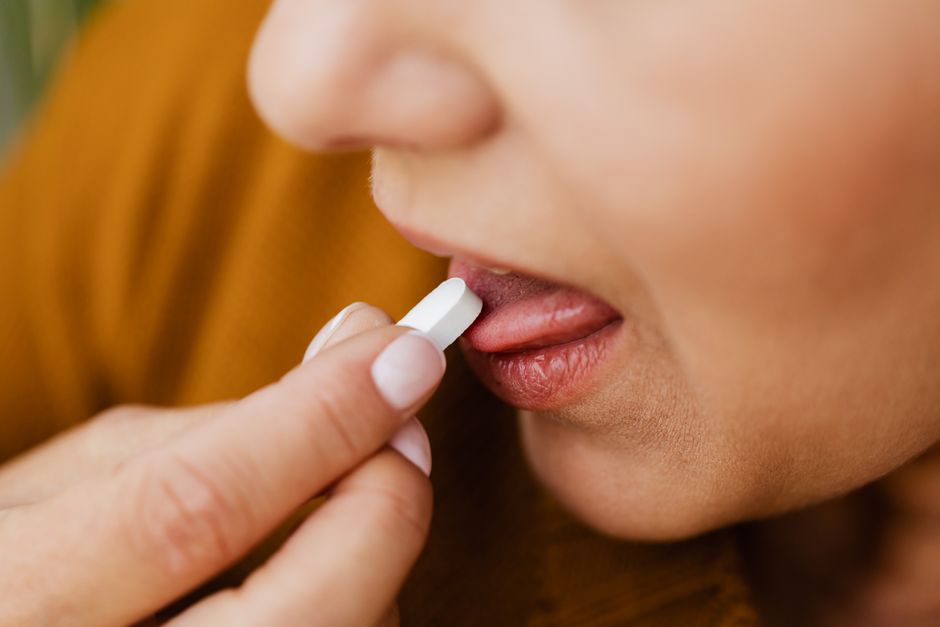
Famotidine works best for nighttime heartburn because stomach acid production naturally peaks between 10 p.m. and 2 a.m. Taking it before bed puts the medication in your system right when acid levels rise. This timing helps prevent acid from backing up into your esophagus while you sleep. Research published in Alimentary Pharmacology & Therapeutics found that bedtime dosing significantly reduced nighttime acid breakthrough compared to morning dosing.
How Does Famotidine Work in the Body?
Famotidine belongs to a class of drugs called H2 blockers. It works by blocking histamine receptors in the stomach lining. Histamine normally signals stomach cells to pump out acid. When those receptors are blocked, acid production drops.
One dose of famotidine starts working within one hour. The effect peaks around two to three hours after you take it. A standard 20 mg dose keeps acid levels lower for about 10 to 12 hours. This timing makes it a good match for overnight protection.
Proton pump inhibitors (PPIs) like omeprazole work differently. They shut down acid pumps directly. PPIs work best when taken 30 to 60 minutes before a meal. Famotidine does not need food to work. That makes it easier to take at night on an empty stomach.
Why Take Famotidine At Night for Acid Reflux?
Nighttime acid reflux is a specific problem. When you lie down, gravity no longer keeps stomach acid down. The lower esophageal sphincter — the valve between your stomach and esophagus — also relaxes during sleep. This combination allows acid to flow upward more easily.
Studies have found that people with nighttime reflux wake up more often. They also have longer episodes of acid exposure in the esophagus. The standard morning dose of an acid reducer may wear off by late night. Taking famotidine at bedtime covers the hours when you are most vulnerable.
A study in Clinical Gastroenterology and Hepatology looked at patients who still had nighttime symptoms despite taking a PPI in the morning. Adding a bedtime dose of famotidine reduced those symptoms by more than half. This is called “add-on therapy” and is a common strategy doctors recommend.
What Does the Research Say About Nighttime Dosing?
Several studies support taking famotidine at night. One study in The American Journal of Gastroenterology compared morning versus bedtime dosing in people with GERD. The bedtime group had significantly fewer nighttime heartburn episodes. They also reported better sleep quality.
Another study measured actual acid levels in the esophagus using a probe. Participants who took famotidine at night had less than half the acid exposure time during sleep compared to those who took it in the morning. The difference was large enough to be clinically meaningful.
Research also shows that famotidine does not lose effectiveness over time for most people. Some people worry about “tachyphylaxis” — where a drug stops working after regular use. This can happen with H2 blockers but it is less common with famotidine than with older H2 blockers like ranitidine. Most people can use it nightly for weeks or months without losing benefit.
The American College of Gastroenterology guidelines mention bedtime H2 blockers as an option for nighttime reflux. They note that this approach is underused. Many patients and doctors default to PPIs without considering the timing advantage of H2 blockers.





What Are the Side Effects and Safety Concerns?
Famotidine is generally well tolerated. The most common side effects include headache, dizziness, and constipation. These occur in less than 5 percent of people in clinical trials.
Serious side effects are rare. They include confusion in older adults, especially those with kidney problems. Liver enzyme changes and blood cell count drops have been reported but are uncommon.
One concern with long-term use is vitamin B12 deficiency. Stomach acid helps your body absorb B12 from food. Reducing acid for months or years can lower B12 levels. This risk is higher with PPIs than with famotidine but still worth knowing about.
There is also a theoretical risk of increased stomach infections. Stomach acid kills bacteria you swallow. Less acid means less protection. This is more relevant for people traveling to areas with contaminated food or water.
How to Take Famotidine at Night Correctly
Take your dose about 30 to 60 minutes before you go to bed. This gives the drug time to reach full effect before acid production peaks. Do not eat a large meal within two hours of taking it. Food triggers acid production and can make the medication less effective.
Standard dosing for nighttime heartburn is 20 mg once daily. Some people need 40 mg. Do not exceed 40 mg per day unless your doctor tells you to. Higher doses do not provide more benefit and increase the risk of side effects.
Do not take famotidine with antacids like Tums or Maalox. Antacids can change how your body absorbs famotidine. If you need immediate relief from an antacid, wait at least two hours before or after taking famotidine.
If you take other medications, check for interactions. Famotidine can affect how your body processes certain drugs including some blood thinners, antidepressants, and antifungal medications. Your pharmacist can check this easily.
Famotidine vs. Other Nighttime Options
Here is a comparison of common options for nighttime acid control:
| Medication | Onset | Duration | Best Timing | Key Drawback |
|---|---|---|---|---|
| Famotidine 20 mg | 1 hour | 10-12 hours | Bedtime | May lose effect with daily use over months |
| Omeprazole 20 mg | 2-4 hours | 24+ hours | Before breakfast | Needs food to work; takes days for full effect |
| Antacids (Tums) | Minutes | 30-60 minutes | As needed | Wears off quickly; not for prevention |
| Gaviscon | Minutes | 2-4 hours | After meals, before bed | Contains sodium; not for long-term use |
Famotidine fills a specific gap. It works faster than a PPI but lasts longer than an antacid. For people who only have nighttime symptoms, it is often the most logical choice.
Common Misconceptions About Nighttime Famotidine
Some people think famotidine stops working if you take it every night. This is partially true but overstated. Some users do develop tolerance over several months. Most people can use it nightly for at least a few months without issue. If you notice it stops working, a break of a week or two usually restores its effect.
Another myth is that you must take famotidine with food. This comes from confusion with PPIs. Famotidine works fine on an empty stomach. In fact, taking it without food may help it work faster.
Some people believe famotidine is weaker than PPIs. This is misleading. Famotidine is less potent at shutting down acid production overall. But for nighttime use, the timing advantage can make it more effective than a morning PPI dose that wears off by midnight.
There is also a misconception that famotidine causes cancer. This rumor started because ranitidine (Zantac) was pulled from shelves due to NDMA contamination. Famotidine (Pepcid) does not have this issue. It is considered safe by the FDA and has been on the market for decades.
What to Avoid When Taking Famotidine at Night
Avoid alcohol. Alcohol relaxes the lower esophageal sphincter and increases acid production. Combining it with famotidine can cancel out the benefit. If you drink, do so earlier in the evening and in moderation.
Avoid eating within two hours of bedtime. This includes snacks. Food in your stomach triggers acid production and increases pressure on the esophageal sphincter. Even a small snack can cause problems.
Avoid lying flat immediately after taking your dose. Sit up or recline for at least 30 minutes. This gives the medication time to enter your system and helps prevent any acid already in your stomach from flowing upward.
Avoid taking famotidine with other acid reducers unless your doctor tells you to. Combining a PPI with famotidine is sometimes done for breakthrough symptoms, but it is not for routine use. Too much acid suppression can increase infection risk and nutrient absorption problems.
Frequently Asked Questions
Can I take famotidine every night?
Yes, most people can take it nightly for several months. If it stops working, a short break of one to two weeks usually restores effectiveness.
Should I take famotidine on an empty stomach at night?
Yes, famotidine works well on an empty stomach. Taking it without food may even help it start working faster.
How long before bed should I take famotidine?
Take it 30 to 60 minutes before you plan to sleep. This gives the drug time to reach full effect before acid production peaks.
Is famotidine safer than omeprazole for long-term use?
Both are generally safe, but famotidine has a lower risk of vitamin B12 deficiency and bone fractures with long-term use. Neither should be used indefinitely without medical supervision.
