
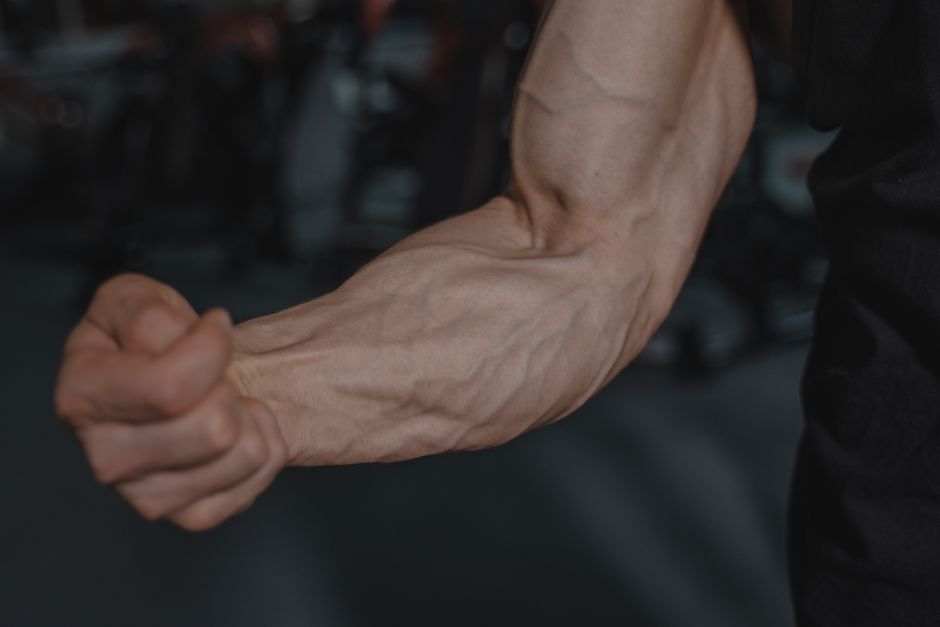
A throbbing forearm can stop you in your tracks. It is not just annoying — it is your body sending a signal. The most common causes are muscle strain, nerve compression, or inflammation from overuse. But sometimes the cause is more serious, like a blood clot or infection. Understanding the root cause matters because treatment depends entirely on what is actually going on inside your arm.
What Does a Throbbing Sensation Actually Mean?
A throbbing feeling is different from a dull ache or sharp pain. It pulses in time with your heartbeat. That happens because blood vessels in the area are dilated and more blood is rushing through with each beat. Your nerves pick up that pressure change and send a pain signal to your brain.
Research published in the journal Pain found that throbbing pain is linked to inflammation. When tissue is damaged or irritated, your body sends extra blood to the area to help healing. That increased blood flow creates the pulsing sensation. The stronger the inflammation, the more noticeable the throb.
This is not always bad. Inflammation is part of healing. But if the throbbing lasts more than a few days or gets worse, it may mean something else is happening.
Why Is My Forearm Throbbing Possible Causes? Root Causes
There are several reasons your forearm might throb. Some are common and easy to fix. Others need medical attention. Here are the most likely root causes.
Muscle overuse is the most common cause. If you typed for hours, lifted weights, or did repetitive work like hammering or gardening, the muscles in your forearm can become inflamed. This is called tendinitis or muscle strain. The throbbing usually appears hours after the activity and gets better with rest.
Nerve compression is another frequent cause. The median, ulnar, or radial nerves run through your forearm. If they get pinched by tight muscles or swollen tissue, you may feel throbbing, tingling, or numbness. Carpal tunnel syndrome is one well-known example, but the nerve can be compressed higher up in the forearm too.
Blood flow problems are less common but more serious. A blood clot in a deep vein of the arm, called deep vein thrombosis, can cause a throbbing sensation. The arm may also look swollen and feel warm to the touch. The CDC reports that about 1 in 10 people with DVT in the arm develop a pulmonary embolism if untreated. That is a clot that travels to the lungs and can be fatal.
Infection is another possible cause. If you have a cut, bug bite, or even a small scratch on your forearm that gets infected, the area can throb. Signs include redness, warmth, and swelling around the wound. Cellulitis is a common skin infection that can spread quickly if not treated with antibiotics.
Arthritis in the wrist or elbow can also cause referred throbbing in the forearm. Osteoarthritis from wear and tear or rheumatoid arthritis from autoimmune inflammation can both cause this sensation. The pain is usually worse in the morning or after periods of inactivity.
How to Tell If Your Forearm Throbbing Is an Emergency
Most forearm throbbing is not an emergency. But some signs should not be ignored. If you have any of these symptoms, go to an emergency room or call your doctor immediately.
- Swelling that makes your forearm look noticeably larger than the other one
- Redness or warmth spreading up your arm
- Shortness of breath or chest pain along with the arm pain
- Fever over 100.4 degrees Fahrenheit
- Inability to move your fingers or wrist
- Throbbing that started right after a fall or injury
The American Academy of Orthopaedic Surgeons says that sudden, severe forearm pain with swelling and skin color changes is a red flag for a possible fracture or blood clot. Do not wait to see if it gets better. Go in.





What Actually Helps Forearm Throbbing at Home
If your throbbing is from overuse or muscle strain, home care can make a real difference. The evidence supports a few simple steps.
Rest is the most effective treatment. Stop doing whatever caused the pain. If typing triggered it, take breaks every 20 minutes. If lifting weights caused it, take a few days off from that exercise. Rest allows the inflammation to go down naturally.
Ice reduces blood flow to the inflamed area, which can calm the throbbing. Apply an ice pack wrapped in a thin towel for 15 to 20 minutes every few hours. Do not put ice directly on your skin. A study in the American Journal of Sports Medicine found that ice therapy significantly reduced pain and swelling in muscle injuries compared to no treatment.
Elevation helps drain excess fluid from your forearm. Prop your arm up on pillows so it is above the level of your heart. This reduces the pressure inside blood vessels and can lessen the throbbing sensation.
Anti-inflammatory medication like ibuprofen or naproxen can help if you can take them safely. These drugs block the chemicals that cause inflammation and pain. The FDA warns that these medications should not be used for more than 10 days without a doctors approval. If you have stomach ulcers, kidney problems, or take blood thinners, talk to your doctor first.
When Home Care Is Not Enough
If rest and ice do not improve the throbbing within a week, something else may be going on. A doctor can help figure out the root cause with a physical exam and sometimes imaging tests.
X-rays can show fractures or arthritis. Ultrasound can check for blood clots or tendon tears. MRI scans give a detailed look at muscles, nerves, and soft tissues. Your doctor may also order blood tests to check for infection or autoimmune conditions like rheumatoid arthritis.
Treatment depends on the specific diagnosis. For nerve compression, a wrist splint worn at night can help. For tendinitis, physical therapy and stretching exercises are often effective. For a blood clot, blood thinners are required for several months. For infection, antibiotics are necessary.
Do not assume that more rest will fix everything. Some conditions get worse without specific treatment. A blood clot can grow. An infection can spread to deeper tissues. The longer you wait, the harder treatment becomes.
Common Misconceptions About Forearm Throbbing
There is a lot of bad advice online about arm pain. Here are a few things that are not supported by evidence.
Heat is not helpful for acute throbbing. Many people reach for a heating pad when their arm hurts. But heat increases blood flow, which can make throbbing worse if inflammation is the cause. Heat is better for chronic stiffness or muscle tightness that is not inflamed. Ice is the right choice for a throbbing sensation.
Stretching is not always good. If you have a muscle strain, stretching the injured muscle can tear it more. Rest is better than stretching during the first few days of a flare-up. Once the acute pain goes away, gentle stretching can help prevent future problems. But do not force it.
Magnesium supplements are not proven to help. Some websites claim that magnesium deficiency causes muscle cramps and throbbing. There is no clinical evidence that magnesium supplements reduce forearm throbbing in people who are not deficient. A 2019 review in Nutrients found that magnesium supplements only helped muscle cramps in pregnant women, not in the general population.
Massage is not always safe. Deep tissue massage on an inflamed forearm can worsen the injury. If you have a blood clot, massage can dislodge it and cause a pulmonary embolism. Do not massage a throbbing forearm unless a doctor has ruled out serious causes.
Comparing Common Causes of Forearm Throbbing
The table below shows the most common causes and their key features. Use it as a guide, not a diagnosis.
| Cause | Key Symptoms | Typical Onset | Best First Step |
|---|---|---|---|
| Muscle strain | Throbbing after activity, sore to touch | Hours after overuse | Rest and ice |
| Tendinitis | Throbbing with wrist or finger movement | Gradual over days | Ice and activity modification |
| Nerve compression | Throbbing plus tingling or numbness | Gradual or after repetitive motion | Wrist splint at night |
| Blood clot (DVT) | Throbbing with swelling and warmth | Sudden | Emergency medical care |
| Infection | Throbbing with redness and fever | After a wound or bite | Antibiotics from doctor |
| Arthritis | Throbbing worse in morning, stiffness | Gradual over months | Doctor evaluation |
What to Avoid When Your Forearm Throbs
Some actions can make forearm throbbing worse or delay healing. Avoid these common mistakes.
Do not ignore the pain and keep working. If your job involves repetitive arm movements, pushing through the pain can turn a mild strain into a chronic problem. The National Institute for Occupational Safety and Health reports that repetitive strain injuries are one of the most common work-related health problems in the United States. Taking a few days off now can save you months of recovery later.
Do not wrap your forearm tightly. Some people think compression helps. But if you wrap an elastic bandage too tight, you can reduce blood flow and make throbbing worse. If you use a compression wrap, it should feel snug but not tight. You should be able to slide one finger under the wrap.
Do not take pain medication and then go back to the activity. Pain relievers mask symptoms. They do not fix the underlying problem. If you take ibuprofen and then lift weights again, you may injure yourself more because you cannot feel the warning signals your body is sending.
Do not ignore symptoms that spread. If the throbbing moves up your arm toward your shoulder or neck, or if your fingers start turning pale or blue, get medical help. These can be signs of a vascular problem or nerve damage that needs urgent treatment.
Frequently Asked Questions
Can a blood clot in the forearm cause throbbing?
Yes, a deep vein thrombosis in the arm can cause throbbing along with swelling and warmth. This requires immediate medical attention to prevent the clot from traveling to the lungs.
How long should forearm throbbing last before seeing a doctor?
If the throbbing does not improve after one week of rest and ice, see a doctor. See one sooner if you have swelling, redness, fever, or numbness.
Is forearm throbbing a sign of a heart attack?
Arm pain can be a symptom of a heart attack, but it is usually the left arm and comes with chest pain, shortness of breath, or nausea. Isolated forearm throbbing without these symptoms is rarely a heart attack.
Can typing cause forearm throbbing?
Yes, repetitive typing can cause muscle strain or nerve compression in the forearm. Taking breaks, using proper ergonomics, and stretching can help prevent it.
