
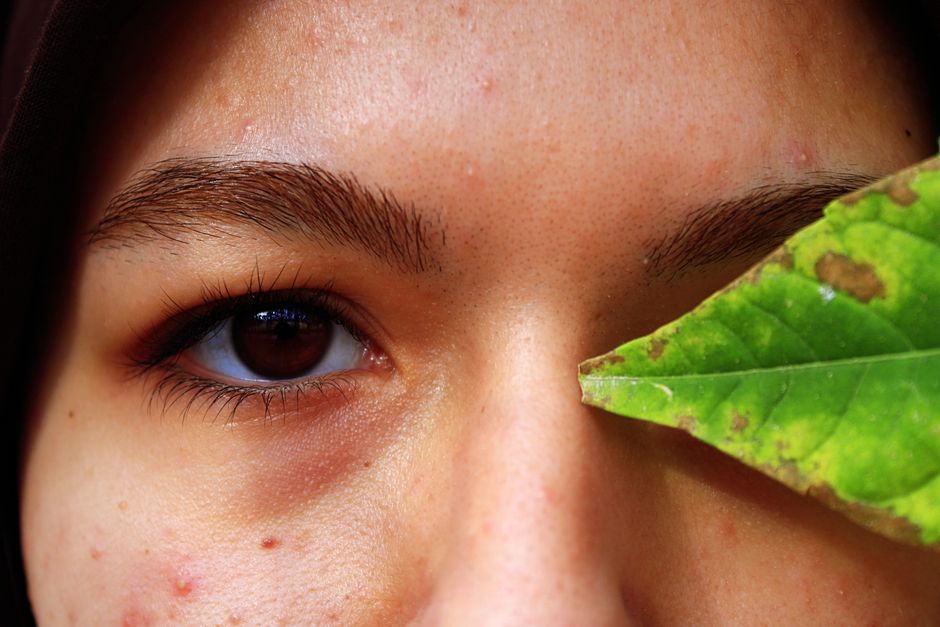
Red eyelids are a common complaint. The redness almost always comes from inflammation of the eyelid skin or the eyelid margin itself. The most frequent root causes are blepharitis, allergic reactions, contact dermatitis, and skin conditions like rosacea or seborrheic dermatitis. Each has a different mechanism and requires a different approach, but they all share one thing: the skin of the eyelid is thinner and more sensitive than skin elsewhere on the body, so it reacts visibly to irritation.
Why Are Your Eyelids Red? Root Causes
The single most common cause of red eyelids is blepharitis. This is a chronic inflammation of the eyelids, usually at the base of the eyelashes. It happens when the tiny oil glands along the eyelid margins become clogged or irritated. Bacteria that normally live on the skin can multiply in the glands, causing inflammation. The result is red, swollen, sometimes flaky eyelids. Blepharitis is not contagious, but it can be persistent.
Allergic reactions are another frequent cause. The eyelid skin reacts strongly to allergens because it is so thin. Common triggers include pollen, pet dander, dust mites, and mold. Eye makeup, facial cleansers, and even nail polish can cause a delayed allergic reaction when you touch your eyes. This is called allergic contact dermatitis. The eyelids become red, itchy, and sometimes puffy.
Contact dermatitis from irritants is similar but not allergic. Irritants like soaps, shampoos, and chlorine directly damage the outer layer of eyelid skin. This causes redness, stinging, and burning. Unlike an allergy, an irritant reaction happens quickly, often within minutes.
Skin conditions that affect the face can also appear on the eyelids. Rosacea often causes redness and tiny visible blood vessels on the cheeks and nose, but it can also affect the eyelids. This is called ocular rosacea. Seborrheic dermatitis, which causes dandruff and red, greasy patches, commonly involves the eyebrows and eyelids. Eczema, or atopic dermatitis, can also flare on the eyelids, making them red, dry, and itchy.
What Is Blepharitis?
Blepharitis is essentially dandruff of the eyelashes. The oil glands, called meibomian glands, produce an oily substance that helps keep the tear film stable. When these glands get blocked or the oil composition changes, inflammation follows. Bacteria and skin flakes accumulate along the lid margin. The eyelids look red, feel gritty, and may have crusts on the lashes when you wake up.
There are two main types: anterior blepharitis, which affects the front of the eyelid where the lashes attach, and posterior blepharitis, which involves the meibomian glands inside the lid. Many people have both. Blepharitis is not caused by poor hygiene. It is a chronic condition that tends to come and go. Warm compresses and gentle lid cleaning are the standard management tools. Antibiotics or anti-inflammatory drops may be prescribed by a doctor for flare-ups.
Blepharitis does not normally threaten vision, but it can cause discomfort, light sensitivity, and dry eyes. It is also a common cause of styes and chalazia, which are blocked oil glands that form lumps on the eyelid.
What Is Contact Dermatitis?
Contact dermatitis is a local skin reaction to something that touches the eyelid. The two types are irritant and allergic. Irritant contact dermatitis occurs when a chemical damages the skin directly. Soap, shampoo, and even water with too much chlorine can do this. The eyelids turn red, feel raw, and sometimes burn. The reaction happens right away.
Allergic contact dermatitis is a delayed immune reaction. Your immune system recognizes a substance as foreign and mounts an attack. The first exposure may not cause a reaction, but after your body becomes sensitized, future exposure triggers redness, itching, and swelling. Common allergens include nickel in eyeglass frames, preservatives in eye drops, fragrances in lotions, and ingredients in nail polish — especially when you touch your eyes after painting your nails.
The key to treatment is identifying and avoiding the trigger. In some cases, a patch test performed by a dermatologist can help find the exact cause. Over-the-counter hydrocortisone cream is too strong for eyelid skin and should not be used without a doctor’s advice. Prescription-strength mild steroids are sometimes used for short periods.




Can Allergies Make Your Eyelids Red?
Yes, seasonal and perennial allergies are a major cause of red eyelids. This is called allergic conjunctivitis when the eye itself is involved, but the eyelids often become red and swollen too. When you are exposed to an allergen like pollen, your immune system releases histamine. Histamine makes tiny blood vessels in the eyelids dilate. This causes redness and swelling. Itching is usually intense.
Unlike blepharitis, which tends to be more of a chronic, low-grade irritation, allergic reactions often come on suddenly and are associated with other hay fever symptoms like sneezing and a runny nose. Antihistamine eye drops and oral antihistamines can relieve symptoms. Cold compresses also help reduce swelling. Avoiding the allergen is the most effective long-term strategy. Some people find that air purifiers and washing their face after being outdoors make a difference.
What About Skin Conditions Like Rosacea or Eczema?
Rosacea is a chronic skin condition that causes facial redness, visible blood vessels, and sometimes pimples. It often involves the eyes, a subtype called ocular rosacea. Ocular rosacea makes the eyelids red, dry, and irritated. You may also feel a gritty sensation or have bloodshot eyes. The cause is not fully understood, but it involves inflammation of the blood vessels and sebaceous glands.
Eczema, or atopic dermatitis, causes dry, itchy, red patches of skin. It can appear anywhere, including the eyelids. Eyelid eczema is often triggered by environmental allergens, stress, or dry weather. The skin on the eyelids is very thin, so eczema here can be particularly uncomfortable. Moisturizers and gentle skin care are the foundation of treatment. Prescription anti-inflammatory creams may be needed during flare-ups. Seborrheic dermatitis is another condition that commonly affects the eyebrows and eyelids. It presents as red, scaly, greasy patches and is linked to a yeast that lives on the skin.
All of these conditions are chronic. They can be managed but not cured. Seeing a dermatologist is the best way to get an accurate diagnosis and a treatment plan tailored to your specific skin type.
When Should You See a Doctor for Red Eyelids?
Most causes of red eyelids are not emergencies, but some situations require prompt medical attention. You should see a doctor if the redness is accompanied by significant pain, vision changes, or a fever. These could be signs of an infection deeper in the eyelid or eye socket, such as preseptal or orbital cellulitis. These infections are rare but serious.
Other reasons to seek help: the redness does not improve after a week of home care (like warm compresses and avoiding makeup), only one eyelid is affected while the other remains normal, or you develop a visible lump that does not go away. Also, if you have a known skin condition like rosacea or eczema that is flaring around your eyes, it is wise to check with your doctor before using any new creams.
A primary care doctor or an ophthalmologist can examine the eyelids with a slit lamp microscope. This helps them see the oil glands, the lashes, and the surface of the eye. They can also test for bacterial infections by swabbing the eyelid margin. Most red eyelids are not serious, but an accurate diagnosis is important because the treatment for blepharitis is different from the treatment for allergic dermatitis or rosacea.
How Are Red Eyelids Treated?
Treatment depends on the specific cause. For blepharitis, the mainstay is warm compresses and lid hygiene. Applying a warm, clean cloth to closed eyes for five to ten minutes helps melt the clogged oil. Then gently scrubbing the eyelid margins with a commercial lid wipe or a cotton swab with baby shampoo and water can remove debris. This needs to be done daily, even when symptoms improve, to prevent flare-ups.
For allergic causes, the best treatment is avoidance. Antihistamine eye drops can provide quick relief. Cold compresses reduce swelling. For contact dermatitis, stopping use of the offending product is usually enough. The skin heals on its own in a few days to a week if the irritant is removed.
Prescription treatments include antibiotic ointments or drops for bacterial overgrowth in blepharitis, steroid eye drops for severe inflammation (used only for short courses because of side effects), and medications for rosacea like low-dose doxycycline. No over-the-counter product should be used on the eyelid skin without first checking with a healthcare professional because the skin there can be easily damaged by strong ingredients.
Frequently Asked Questions
Can red eyelids be a sign of something serious?
In most cases no. Blepharitis, allergies, and contact dermatitis are common and not dangerous. But if you have pain, vision changes, or a fever, see a doctor right away.
What home remedies help red eyelids?
Warm compresses are effective for blepharitis. Cold compresses help with allergic swelling. Avoid rubbing the eyes and stop using all eye makeup until the redness clears.
How long does blepharitis last?
Blepharitis is a chronic condition. It can be controlled with daily lid hygiene, but it often returns. Flare-ups may last a few days to a few weeks.
Is eye makeup safe to use with red eyelids?
No. Stop using all eye makeup until the redness resolves. Product residue can worsen irritation and introduce bacteria. Replace any eye makeup you used before the redness appeared to avoid recontamination.
