
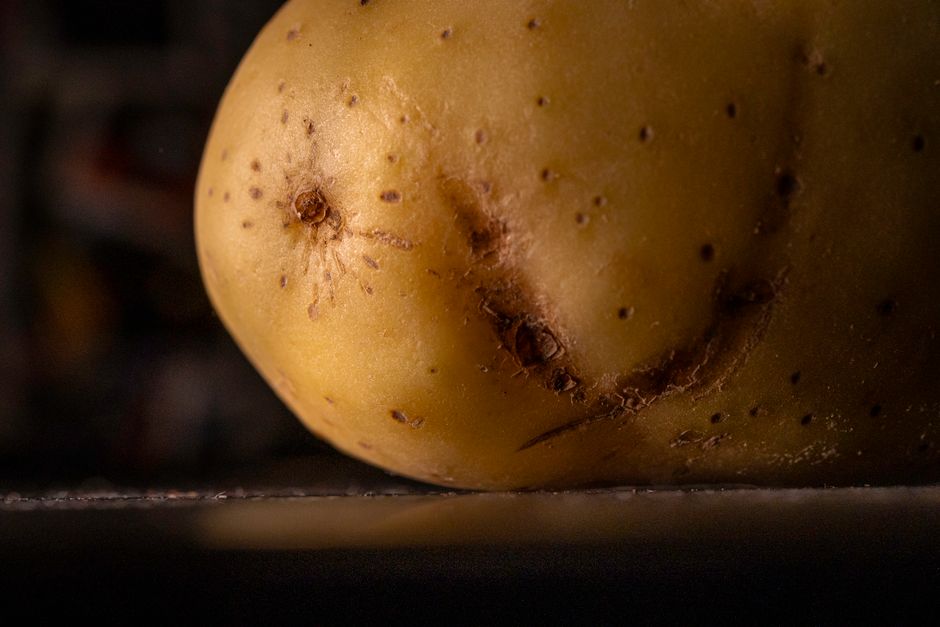
Yes, a potato is a nightshade vegetable. And yes, for the vast majority of people, potatoes are safe to eat. Nightshades are a family of plants called Solanaceae, which includes foods like tomatoes, bell peppers, eggplants, and potatoes. They naturally produce compounds called glycoalkaloids, which can be toxic in high amounts. But the levels found in properly stored, cooked potatoes are far below any danger zone. This article explains the science, the safety, and the common concerns so you can make your own informed choice.
What Are Nightshade Vegetables?
Nightshade vegetables come from the Solanaceae family, a large group of plants that includes both edible crops and poisonous ornamentals. Common edible nightshades include potatoes, tomatoes, eggplants, and all varieties of peppers (bell, chili, jalapeño, etc.).
These plants evolved to produce natural chemicals called alkaloids. Alkaloids act as a pest deterrent — they taste bitter and can cause harm to insects or animals that attempt to eat them. In very small amounts, some alkaloids are harmless to humans. In larger amounts, they can cause toxicity.
The key alkaloids in potatoes are solanine and chaconine, collectively referred to as glycoalkaloids. The amount present in a standard, healthy potato is well below any level that would cause harm. However, the concentration can increase when potatoes are exposed to light, damaged, or stored improperly.
Is A Potato A Nightshade And Is It Safe To Eat?
Yes, the potato is a nightshade. It belongs to the species Solanum tuberosum. The question of safety comes down to how the potato is grown, stored, and prepared.
For a healthy adult eating ordinary potatoes from a grocery store or farmers market — potatoes that are not green, not sprouting, and properly cooked — the answer is clear: potatoes are safe. The levels of glycoalkaloids in commercial potatoes are low. Health authorities in many countries set maximum allowable limits for glycoalkaloids in fresh potatoes, and these limits are strictly enforced in regulated supply chains.
Does that mean every potato is risk-free? No. Potatoes that have turned green from light exposure, or that have started to sprout, contain more glycoalkaloids. Eating large amounts of green or sprouted potatoes can cause symptoms like nausea, headache, or stomach upset. But this is rare and easily avoided. The vast majority of potato consumption worldwide does not cause any problems.
The Science Behind Glycoalkaloids in Potatoes
Glycoalkaloids are the plant’s natural defense system. Solanine and chaconine are concentrated in the skin, just below the peel, and especially in the green parts or sprouts. When a potato is damaged or stressed — for example by bruising, exposure to light, or improper storage — the plant increases glycoalkaloid production to protect itself.
Humans are sensitive to these compounds at higher doses. Symptoms of acute glycoalkaloid poisoning include a bitter taste, burning sensation in the mouth, nausea, vomiting, diarrhea, and in rare severe cases, neurological effects. The amount needed to cause poisoning is much higher than what you would get from a normal serving of properly prepared potatoes. Reported cases of potato poisoning are almost always linked to eating large quantities of green, sprouted, or damaged potatoes.
Cooking does not fully destroy glycoalkaloids. Boiling, baking, or frying reduces levels slightly, but not enough to make a badly sprouted potato safe. That is why the main safety advice is simple: do not eat green or sprouted potatoes. Peel them before eating. Store them in a cool, dark, dry place.




Common Myths About Potatoes and Nightshades
Several myths circulate about nightshade vegetables, especially regarding inflammation and arthritis. Here is what the evidence actually shows.
Myth: Nightshades cause inflammation or arthritis. Some people report that eating nightshades worsens their joint pain. A few small studies and anecdotal reports suggest that for a subset of individuals with autoimmune conditions or rheumatoid arthritis, removing nightshades from the diet might reduce symptoms. However, the overall evidence from larger, well-controlled studies does not support a blanket claim that nightshades cause inflammation in the general population. If you have arthritis and suspect a link, the most honest advice is to try an elimination diet under professional guidance and see how you feel. But there is no strong evidence to recommend that everyone with arthritis avoid nightshades.
Myth: All nightshades are toxic. This is a confusion between edible nightshades and plants like deadly nightshade (Atropa belladonna), which contains tropane alkaloids that are genuinely dangerous. The edible species have been domesticated and selectively bred over centuries to minimize toxic compounds. Potatoes, tomatoes, and peppers are not the same as their wild, poisonous relatives.
Myth: Raw potatoes are safe. Raw potatoes contain resistant starch and higher levels of glycoalkaloids than cooked ones. They also contain lectins that can cause digestive upset. While a small nibble is unlikely to harm, eating raw potato in significant quantities is not recommended. Cooking improves digestibility and reduces some of the natural toxins.
Who Might Consider Limiting Nightshades?
There is no broad medical recommendation for the general population to limit nightshade vegetables. For most people, the nutritional benefits of potatoes — including vitamin C, potassium, fiber (with skin), and B vitamins — outweigh any theoretical risk.
The group that might consider limiting nightshades includes people with known sensitivities or certain autoimmune conditions. Some individuals with rheumatoid arthritis, inflammatory bowel disease, or psoriasis report symptom relief when they avoid nightshades. The evidence here is limited to case reports and small trials. No large randomized controlled trials have confirmed a consistent benefit.
If you fall into this category, the most reasonable approach is to try a targeted elimination diet for several weeks, then reintroduce nightshades one at a time to see if symptoms return. This should be done with the guidance of a healthcare provider or registered dietitian, especially if you have a chronic condition.
How to Handle Potatoes Safely
Safe handling of potatoes eliminates the small risks associated with glycoalkaloids. Here are key steps:
- Inspect before buying. Avoid potatoes with a green tinge, visible sprouts, or soft spots.
- Store properly. Keep potatoes in a cool, dark, well-ventilated area — not in the refrigerator, not in a plastic bag. Light and heat increase glycoalkaloid production.
- Do not store with onions. Onions release gases that can cause potatoes to sprout faster.
- Peel or scrub thoroughly. Glycoalkaloids are concentrated in and just under the skin. Peeling removes most of them. If you eat the skin, wash the potato well and avoid green areas.
- Cut away any green parts or sprouts. If a potato is only slightly green, you can cut away the green portion generously and use the rest. If the potato is heavily green or has many sprouts, it is safest to discard it entirely.
- Cook thoroughly. While cooking does not destroy all glycoalkaloids, it makes the potato easier to digest and reduces the risk of other foodborne issues.
Potatoes that are firm, with no green color, and stored correctly, are perfectly safe to eat every day as part of a balanced diet.
Frequently Asked Questions
Are potatoes nightshade vegetables?
Yes, potatoes are nightshade vegetables from the Solanaceae family, which also includes tomatoes, peppers, and eggplants.
Is it safe to eat potato skin?
Potato skin is safe to eat if the potato is fresh, not green, and thoroughly washed. The skin contains most of the fiber and nutrients, but also has higher levels of glycoalkaloids than the flesh.
Do nightshades cause arthritis pain?
Some people with rheumatoid arthritis report that nightshades worsen their pain, but large-scale studies have not confirmed this. The effect appears to be individual rather than universal.
Can you eat raw potatoes?
Eating raw potatoes in small amounts is unlikely to cause serious harm, but they contain higher levels of glycoalkaloids and resistant starch that can cause digestive upset. Cooked potatoes are safer and more nutritious.
