
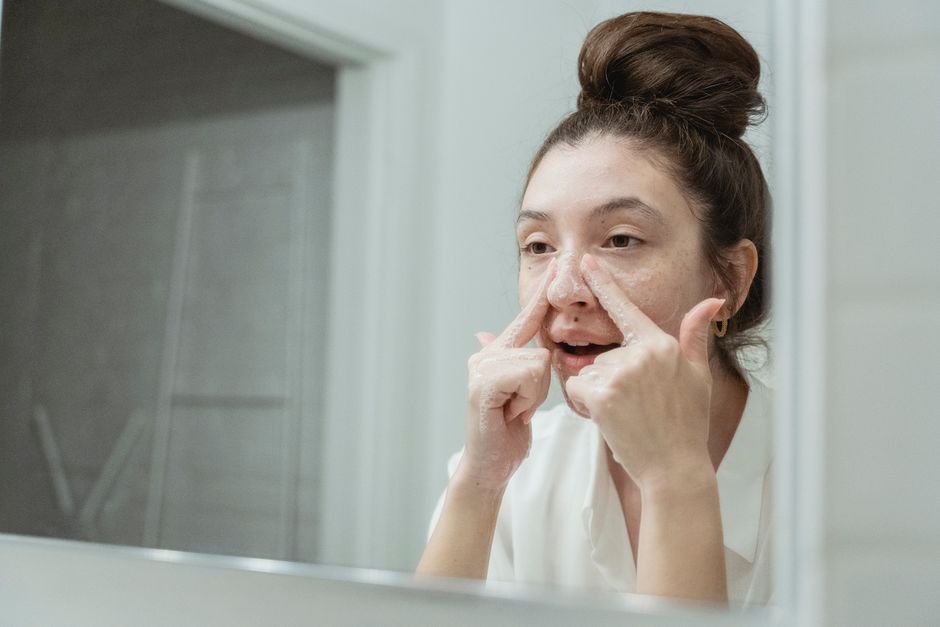
CeraVe cleansers are generally considered safe to use during pregnancy. Most CeraVe products contain ingredients like ceramides, hyaluronic acid, and niacinamide that are well tolerated and not known to pose risks during pregnancy. However, every pregnancy is different, and checking with your doctor or dermatologist is always wise before starting any new skincare routine. This article reviews what is known about CeraVe cleanser safety for pregnant women based on current evidence and clinical guidance.
What Ingredients in CeraVe Cleansers Are Safe During Pregnancy?
CeraVe cleansers are formulated with a few key ingredients that are widely considered safe for pregnant women. The main ingredients are ceramides, hyaluronic acid, and niacinamide. Ceramides are lipids that help restore the skin barrier. Hyaluronic acid is a humectant that holds moisture. Niacinamide is a form of vitamin B3 that can help calm inflammation. All three of these have been studied in pregnant populations and are not linked to birth defects or pregnancy complications.
Other common ingredients in CeraVe cleansers include glycerin, cetyl alcohol, and various surfactants like cocamidopropyl betaine. These are mild cleansing agents and emollients that are widely used in OTC skincare products. No evidence suggests they are harmful during pregnancy when used topically as directed.
Some CeraVe cleansers also contain salicylic acid in small amounts, such as the CeraVe SA cleanser. Low concentrations of salicylic acid (typically 2% or less) applied to the skin are generally considered safe during pregnancy. However, high doses or prolonged use on large areas should be discussed with a doctor.
Are Any CeraVe Ingredients a Concern for Pregnant Women?
The main ingredient that sometimes raises concern is salicylic acid, found in the CeraVe SA Cream and SA Cleanser. Salicylic acid is a beta hydroxy acid (BHA) used to treat acne and exfoliate skin. When taken orally in high doses (like aspirin), it has been linked to pregnancy risks. But topical application at low concentrations (under 2%) has not been shown to cause problems. The American Academy of Dermatology and most dermatologists consider it safe for occasional use during pregnancy.
Another ingredient to note is fragrance. CeraVe products are fragrance-free, which is actually a plus during pregnancy. Many pregnant women develop heightened sensitivity to smells, and fragrance can cause headaches or nausea. CeraVe’s lack of fragrance makes it a good option for sensitive pregnant skin.
CeraVe also uses parabens in some formulations, such as methylparaben and propylparaben. Parabens have been controversial in the past, but the FDA and the European Commission still consider them safe at the levels used in cosmetics. Some people prefer to avoid them during pregnancy due to personal choice, but there is no solid evidence that topical parabens harm a developing baby.
Overall, no ingredient in any standard CeraVe cleanser has been proven unsafe for pregnant women when used as directed. But if you have specific concerns about any ingredient, discuss it with your healthcare provider.
What Do Dermatologists Recommend for Cleansers During Pregnancy?
Dermatologists often recommend CeraVe cleansers for pregnant women because they are gentle, non-comedogenic (won’t clog pores), and free of common irritants. Many dermatologists, including those at the American Academy of Dermatology, suggest using mild, fragrance-free cleansers during pregnancy. CeraVe fits that description.
It is important to note that no large clinical trials have specifically tested CeraVe products in pregnant women. That is common for most over-the-counter skincare products. Instead, safety is inferred from the known safety profiles of individual ingredients and decades of widespread use without reported problems.
Some dermatologists recommend sticking with the CeraVe Hydrating Cleanser or Foaming Facial Cleanser during pregnancy because they have the simplest formulas. The SA Cleanser is also okay for spot use if needed, but you may want to avoid daily use on large areas if you are still concerned. A simple rule: choose the cleanser with the fewest active ingredients when in doubt.



Is Cerave Cleanser Safe For Pregnancy?
Yes, CeraVe cleansers are safe for pregnancy based on current evidence. No clinical studies have linked CeraVe products to pregnancy complications. The ingredients have been used by millions of women, and no pattern of harm has been identified. That said, pregnancy often changes the skin. You may find that your usual cleanser suddenly feels too drying or too oily. If your skin becomes more sensitive, switching to the CeraVe Hydrating Cleanser is a low-risk option.
Some pregnant women develop acne or melasma. For acne, the CeraVe SA Cleanser can be used gently, but for melasma, a cleanser with niacinamide (like the Hydrating Facial Cleanser) may help. Always use sunscreen daily during pregnancy, as hormones can make skin more prone to dark spots.
How to Choose the Right CeraVe Cleanser While Pregnant
Look at your skin type and any specific concerns. If you have dry or sensitive skin, the CeraVe Hydrating Cleanser is a good first choice. It is cream-based and non-foaming. If you have oily or acne-prone skin, the CeraVe Foaming Facial Cleanser is lightweight and removes excess oil without stripping. If you have breakouts, the CeraVe SA Cleanser with salicylic acid can be used a few times a week.
Avoid any product that contains ingredients you know you react to. Even safe ingredients can cause irritation in some people. Patch testing a small area before full use is a reasonable step, especially during pregnancy when skin sensitivity can change.
Are There Any CeraVe Cleansers to Avoid During Pregnancy?
There is no specific CeraVe cleanser that must be avoided during pregnancy. However, some women choose to avoid the SA Cleanser because of the salicylic acid. While the amount is low, if you want to be extra cautious you can skip it. The CeraVe Foaming Oil Cleanser is also fine, but be aware it contains a mild exfoliating enzyme (papain) from papaya. Topical papain is generally safe, but some people prefer to avoid it during pregnancy. No evidence suggests harm.
The best approach is to use the simplest formula. The CeraVe Hydrating Cleanser has the fewest active ingredients and is the most commonly recommended by dermatologists during pregnancy.
Frequently Asked Questions
Can I use CeraVe SA cleanser while pregnant?
Yes, the salicylic acid concentration in CeraVe SA cleanser is low (2%) and considered safe for topical use during pregnancy. But check with your doctor if you plan to use it daily on large areas.
Is CeraVe Hydrating Cleanser safe during pregnancy?
Yes, it is widely considered safe because it contains gentle ingredients like ceramides, hyaluronic acid, and glycerin with no active exfoliants or known harmful chemicals.
Should I stop using CeraVe during pregnancy?
No, you do not need to stop. CeraVe products are fragrance-free and non-comedogenic, which makes them a good choice for pregnancy-related skin changes. Just choose a formula suited to your current skin needs.
Does CeraVe contain retinol that is unsafe for pregnancy?
No, CeraVe cleansers do not contain retinol. Retinol is found in some CeraVe creams and serums, but not in any of their facial cleansers. If you use a CeraVe product with retinol, stop it during pregnancy unless your doctor advises otherwise.
