

Seeing blue poop in your baby’s diaper can be startling, but in most cases it is harmless and directly related to something they ate. The most common reasons are blue or purple food dyes in foods, and iron supplements, which can turn stool a dark green or blue-green color. The color alone is rarely a medical emergency, but you should look for other signs like blood, severe diarrhea, or unusual behavior to decide if a call to your pediatrician is needed.
Why Is My Babys Poop Blue And Should I Be Worried
In the vast majority of cases, blue poop is not a sign of a health problem. It is almost always caused by something your baby consumed. Food dyes are the most frequent culprit. Blue, purple, and even dark green foods can pass through the digestive system without being fully broken down, which changes the color of the stool.
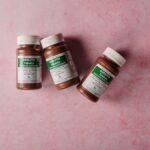
Iron is another common cause. Many infant formulas are fortified with iron, and liquid iron supplements are often given to babies. When iron is not fully absorbed by the body, it is excreted in the stool and can turn it a dark green, dark blue, or even black color. This is a normal and expected side effect.
You should only be concerned if the blue color is accompanied by other symptoms. Blood in the stool, persistent vomiting, severe abdominal pain, or signs of dehydration like a dry mouth or fewer wet diapers are reasons to contact your doctor. If the stool is simply blue and your baby is acting normally, it is almost certainly nothing to worry about.
What Foods Can Turn Baby Poop Blue
Many commercial baby foods and snacks contain food coloring. Blueberries are a natural cause, but artificial dyes are far more common. Look at the ingredient list of anything your baby ate in the past 24 hours. You are looking for Blue 1, Blue 2, or any other artificial color.
Common sources of blue dyes include:
- Fruit snacks and gummy treats
- Blueberry-flavored yogurts and purees
- Cereal with colored pieces
- Frosting or baked goods with blue icing
- Certain juices or drinks with artificial coloring
- Purple or dark red foods like grapes or beets, which can sometimes appear blue in stool
Babies who are starting solid foods are the most likely to have blue poop because they are being introduced to new, processed foods. Breastfed babies rarely have blue poop unless they are taking a supplement or the mother consumed a large amount of food dye.
Can Iron Supplements Cause Blue or Green Stool
Yes. Iron is a well-documented cause of dark stool color. The color change happens because the iron that is not absorbed by the intestines oxidizes as it passes through. This oxidation process produces a dark green, dark blue, or black appearance.
This is not dangerous. It is a sign that the body is absorbing what it needs and excreting the rest. If you are giving your baby iron drops or a formula with added iron, the dark stool is expected. You should not stop giving the supplement because of the color change. If the stool becomes very hard, dry, or painful to pass, talk to your pediatrician about constipation, which is a separate issue from the color.



When Should I Call the Doctor About Blue Poop
The blue color itself is not an emergency. You should call your pediatrician if the blue stool is accompanied by any of the following signs:
- Blood in the stool, which may appear as red streaks or make the stool look black and tarry
- Persistent vomiting, especially if it is green or yellow
- Severe diarrhea that lasts more than a few hours
- Signs of dehydration, including a sunken soft spot on the head, no tears when crying, or fewer than normal wet diapers
- Refusing to eat or drink for more than a few hours
- Unusual lethargy or difficulty waking
It is also worth calling if the blue color persists for more than a few days without an obvious cause. This is not because the blue is dangerous, but because it may help you and your doctor figure out if something in the diet is causing digestive irritation.
Is Blue Poop a Sign of a Digestive Problem
No. Stool color is determined largely by how long food spends in the digestive tract and what pigments are present. Blue dye is not absorbed by the body, so it comes out in the stool. This is true for adults and babies alike.
Digestive problems typically show up with different symptoms. Persistent diarrhea, constipation, vomiting, or poor weight gain are more meaningful signs of a digestive issue than color alone. If your baby is growing well, eating normally, and has regular bowel movements, the blue color is cosmetic, not medical.
There is one rare exception. Bile is a digestive fluid that is naturally green. If bile moves through the intestines too quickly, it can make stool appear green. In some lighting, a very green stool can look blue-green. This can happen with mild diarrhea. It is still not dangerous, but it can be a sign that something is irritating the digestive system.
How Long Does Blue Poop Last
Blue poop usually resolves within 24 to 48 hours. This is roughly how long it takes for food to travel through the digestive system. Once the blue food or supplement has passed through completely, the stool should return to its normal color.
If you are giving a daily iron supplement, the dark color may persist as long as the supplement continues. This is normal. If the blue color comes from a one-time food, you should see normal stool within a day or two. If it lasts longer than that, review everything your baby ate and consider whether a food dye is being consumed regularly without you realizing it.
For babies who are eating solid foods, keeping a simple food diary for a few days can help identify the source. Write down everything your baby eats and note the stool color each day. This can help you spot patterns without guessing.
What Does Normal Baby Poop Look Like
Normal baby stool color varies widely. In the first few days of life, babies pass meconium, which is dark green and sticky. This is not a problem. After that, breastfed babies often have yellow, seedy stools. Formula-fed babies tend to have tan or brown stools that are thicker in consistency.
Once solid foods are introduced, stool color becomes more variable. It can range from yellow to brown to green depending on what was eaten. The consistency matters more than the color. Stool should be soft and easy to pass. Hard, dry pellets suggest constipation. Watery, frequent stools suggest diarrhea.
If your baby’s stool is consistently an unusual color but the texture is normal and your baby is comfortable, the color is almost never a concern. Your pediatrician cares more about whether the baby is gaining weight, staying hydrated, and passing stool without pain than about the specific color.
Frequently Asked Questions
Can breastfed babies have blue poop?
Yes, but it is rare. Breastfed babies can have blue poop if they take an iron supplement or if the mother consumes a large amount of blue food dye that passes into the milk.
Is blue poop from food dye dangerous?
No. Food dyes are not absorbed by the body and pass through the digestive system unchanged. The blue color is harmless, though some dyes may cause mild digestive upset in sensitive babies.
What if my baby has blue poop and a fever?
A fever with blue poop is not necessarily related to the color. The fever should be evaluated on its own. Call your pediatrician if your baby is under 3 months old with a fever or if the fever lasts more than a day.
Can teething cause blue poop?
No. Teething does not change stool color. If your baby has blue poop while teething, look for a dietary cause like a teething biscuit or snack that contains food coloring.
