
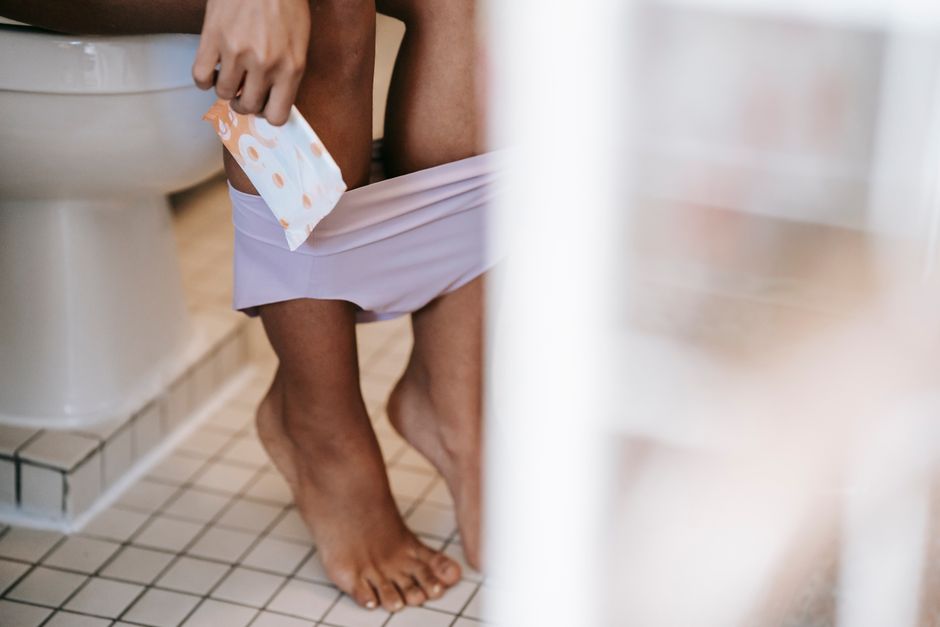
Getting a toddler to poop on the toilet can feel harder than teaching them to ride a bike. The short answer is: wait for signs of physical readiness, build a predictable routine, and never force it. Most children gain bowel control between 18 and 30 months, but many are closer to 3 or 4 years old before they reliably use the toilet for bowel movements. The approach that works best combines patience, proper positioning, and understanding that fear of pooping is normal.
What Age Should a Toddler Start Pooping on the Toilet?
The American Academy of Pediatrics says most children are ready for toilet training between 18 and 24 months. But readiness for pooping on the toilet often comes later than peeing. Research published in the journal Pediatrics found that bowel control usually happens around 33 months for girls and 35 months for boys. These are averages, not deadlines.
Physical signs matter more than age. Your child should be able to walk to the bathroom, pull pants up and down, and stay dry for at least two hours during the day. They also need to know the feeling that a bowel movement is coming. If they hide behind furniture or stop playing when they need to poop, that is a sign they sense the urge but are not ready to sit on the toilet yet.
Starting too early can backfire. Pushing a toddler who is not physically ready often leads to resistance, withholding, and constipation. These problems can take months to undo. If your child is under 18 months and showing no interest, wait. You are not behind.
Why Are Toddlers Scared to Poop on the Toilet?
Fear is the most common reason toddlers refuse to poop on the toilet. It is not defiance. It is a developmental stage. Many children worry they are losing a part of their body. Others have had a painful bowel movement before and now associate pooping with pain.
Some toddlers are afraid of the noise the toilet makes when it flushes. Others feel unstable sitting on an adult-sized toilet. The sensation of pooping while sitting upright instead of squatting can also feel unfamiliar and uncomfortable. According to pediatric gastroenterologists, the natural position for a bowel movement is a squat, not a seated position with legs dangling.
Research from the Journal of Pediatric Gastroenterology and Nutrition shows that children who experience constipation early in toilet training are significantly more likely to develop stool withholding behaviors. That means if your child has ever had a hard, painful poop, they may actively avoid pooping again to avoid that pain. This cycle is common and treatable, but you have to address the fear first.
How To Help Your Toddler Poop On The Toilet: Step by Step
The most effective strategy combines physical positioning, timing, and emotional safety. Start with positioning. Your toddler needs their feet flat on a surface, knees higher than hips, and a slight forward lean. This is called the “squatting position” and it straightens the rectum, making bowel movements easier. Use a child-sized potty or a sturdy step stool with a toilet seat insert. Do not let their legs dangle.
Timing matters. Most children have a natural urge to poop within 30 minutes after a meal. This is called the gastrocolic reflex. Sit your child on the potty for 5 to 10 minutes after breakfast, lunch, or dinner. Do not make them stay longer. If nothing happens, try again after the next meal. Do not force sitting. The goal is to associate the potty with the feeling of needing to go.
Make the experience calm. Read a book, sing a song, or just sit next to them. Do not pressure them to perform. If they poop, acknowledge it neutrally. Overpraising can create performance anxiety. If they do not poop, say nothing and move on. The routine itself teaches their body what to expect.
| Position | Effect on Pooping | What to Use |
|---|---|---|
| Legs dangling | Makes pooping harder | Avoid adult toilet alone |
| Feet flat, knees above hips | Straightens rectum, eases passage | Step stool or child potty |
| Lean forward slightly | Increases abdominal pressure | Small stool under feet |





What to Do When Your Toddler Withholds Poop
Stool withholding is when a child feels the urge to poop but tightens their muscles to hold it in. This is not stubbornness. It is often a response to a previous painful experience. When children withhold, the stool sits in the colon longer, becomes harder and larger, and hurts more when it finally comes out. This creates a vicious cycle.
If your child is withholding, stop all potty training pressure immediately. Go back to diapers or pull-ups for bowel movements. Let them poop in a diaper while standing or squatting if that feels safer to them. This is not a step backward. It removes the fear and lets their body reset. After a few weeks of pain-free pooping in a diaper, you can reintroduce the potty slowly.
The Journal of Pediatrics reports that stool withholding is one of the most common reasons for pediatric gastroenterology visits in young children. The standard medical approach is to first treat any constipation with dietary changes or stool softeners, then address the behavior. Do not try to break withholding with punishment or bribery. Neither works. You have to make pooping painless first.
Fiber and water help. The American Academy of Pediatrics recommends 19 to 25 grams of fiber per day for toddlers, plus 4 to 6 cups of water. Prunes, pears, beans, and whole grains are effective. Avoid excessive dairy and bananas, which can be constipating for some children.
Common Mistakes Parents Make with Toddler Poop Training
The biggest mistake is treating poop training the same as pee training. They are different skills. Peeing is a reflex that happens several times a day. Pooping happens less often and involves more muscle coordination and emotional resistance. Trying to train both at the same speed frustrates everyone.
- Do not ask every five minutes if they need to poop. This creates pressure and anxiety.
- Do not use punishment for accidents. Shaming a child for pooping in their pants can cause long-term withholding.
- Do not hold them on the toilet until they produce. This turns the potty into a prison.
- Do not start training during a major life change like a new sibling, moving houses, or starting daycare.
- Do not compare your child to others. Every child develops bowel control at their own pace.
Another common mistake is ignoring constipation. Many parents do not realize their child is constipated because the child still poops every day. But if the stool is hard, large, or painful, that is constipation. A child who is afraid of pain will not tell you. They will just avoid the toilet. Look for signs like hard pebbly stool, straining, or hiding when they need to go.
When to Talk to Your Doctor
Most toddler poop problems resolve with time and patience. But some situations need medical attention. If your child has not had a bowel movement in three or more days, is in visible pain when pooping, or has blood in their stool, see a pediatrician. Also talk to your doctor if your child is older than 4 and still refuses to use the toilet for bowel movements despite consistent effort.
Chronic constipation can lead to encopresis, a condition where liquid stool leaks around a hard blockage in the colon. The child cannot control this. It is not a behavior problem. Encopresis affects about 1 to 2 percent of children and requires medical treatment, often with stool softeners and behavioral therapy. The North American Society for Pediatric Gastroenterology, Hepatology and Nutrition has published clear guidelines on treating this condition.
If your child has never pooped on the toilet and shows no interest by age 4, that is not necessarily a problem. But a pediatrician can rule out physical issues like a tight anal sphincter or an underlying condition. Trust your gut. If something feels wrong, get it checked.
Frequently Asked Questions
How long does it take to train a toddler to poop on the toilet?
Most children take 3 to 6 months after starting active training to consistently poop on the toilet. Some take up to a year.
Should I put my toddler back in diapers if they refuse to poop on the toilet?
Yes, if they are showing fear or withholding. Going back to diapers reduces pressure and often resolves the problem faster than pushing through.
Can a stool softener help my toddler poop on the toilet?
Yes, if constipation is the issue. A pediatrician can recommend a safe stool softener like polyethylene glycol to make pooping painless first.
Why does my toddler hide to poop even though they are potty trained for pee?
Hiding is a normal sign that your child senses the urge to poop but is not ready to do it on the toilet. It is not a setback; it is a cue to adjust your approach.
