
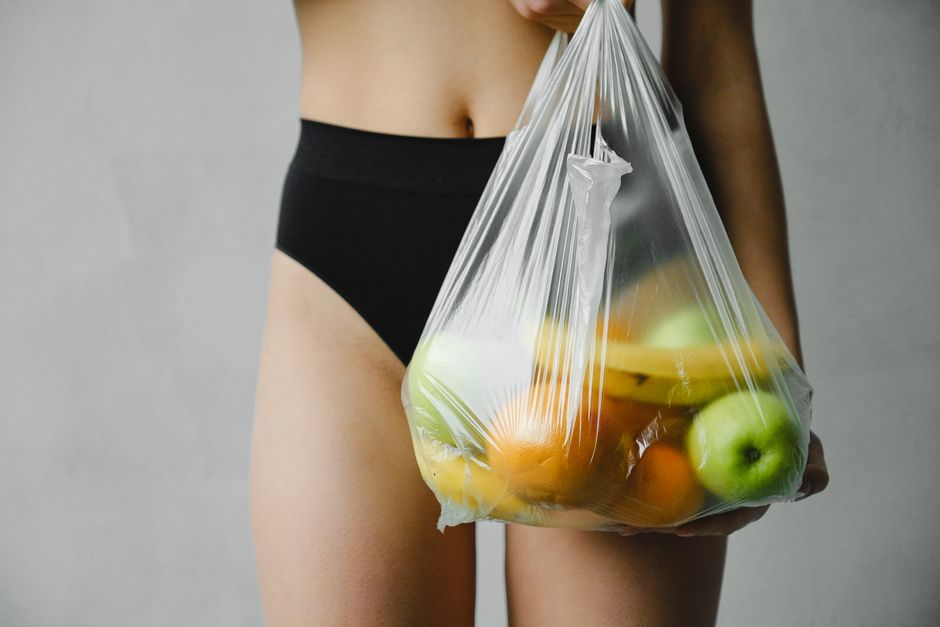
If you are backed up and looking for relief, certain fruits can help get things moving. Prunes, apples, pears, and kiwis are the most effective choices backed by real evidence. These fruits contain specific fibers and natural compounds that soften stool and speed up how fast waste moves through your colon. Not all fruits work the same way, and some can even make constipation worse if you are not careful.
What Makes a Fruit Good for Pooping?
Fruits help with constipation through two main mechanisms. The first is fiber. Fiber adds bulk to stool and helps it hold water. Softer stool moves through the colon faster. The second is natural sugar alcohols like sorbitol. Sorbitol pulls water into the intestine. More water in the colon means looser stool.
Some fruits also contain compounds called polyphenols. Research published in the World Journal of Gastroenterology suggests polyphenols can change gut bacteria in ways that improve bowel regularity. This is a newer area of study. The evidence is not as strong as it is for fiber and sorbitol. But it is worth noting.
The most important factor is the type of fiber. Soluble fiber dissolves in water and forms a gel. Insoluble fiber does not dissolve and adds bulk. Most fruits contain both. But fruits that are higher in soluble fiber tend to be more effective for constipation. Prunes are a clear example.
Which Fruits Have the Best Evidence?
Prunes are the fruit with the most research behind them. A 2014 study in Alimentary Pharmacology & Therapeutics compared prunes to psyllium, a common fiber supplement. People who ate prunes had more bowel movements per week and reported softer stool. Prunes contain both fiber and sorbitol. That combination is why they work better than most other fruits.
Kiwifruit has solid evidence too. Research published in the Asia Pacific Journal of Clinical Nutrition found that eating two kiwifruit per day increased bowel movement frequency in people with constipation. Kiwifruit contains an enzyme called actinidin that may help digestion. The fiber content is moderate. But something about the whole fruit seems to work.
Pears and apples are also effective. They contain pectin, a type of soluble fiber that ferments in the colon and encourages regular bowel movements. Pears have slightly more sorbitol than apples. Both are good options if prunes are not appealing.
Berries like raspberries and blackberries are high in fiber by weight. A cup of raspberries has about 8 grams of fiber. That is significant. But berries are lower in sorbitol. They work more through fiber alone.
| Fruit | Fiber per 100g | Sorbitol | Evidence Strength |
|---|---|---|---|
| Prunes | 7.1g | High | Strong – multiple studies |
| Kiwifruit | 3.0g | Low | Moderate – several studies |
| Pears | 3.1g | Moderate | Moderate – some studies |
| Apples | 2.4g | Low | Moderate – some studies |
| Raspberries | 6.5g | Very Low | Limited – fiber only |
How Many Fruits Should You Eat to Relieve Constipation?
The amount that works depends on the fruit and your individual body. For prunes, research suggests eating about 50 grams per day. That is roughly 5 to 6 prunes. Some people need more. Some need less. Start with 3 prunes and increase every few days if needed.
For kiwifruit, two per day is the dose used in most studies. One study found that even one kiwifruit per day helped some people. But two was more consistently effective. For apples and pears, one medium fruit per day is a reasonable starting point.
Do not eat large amounts of these fruits all at once. Eating too many prunes or pears can cause gas, bloating, and diarrhea. The goal is regular soft stool, not urgency or cramping. Increase slowly over several days.
Water intake matters here too. Fiber needs water to work. If you eat more fiber but do not drink enough water, you can actually make constipation worse. The fiber will bulk up without enough liquid to keep it soft. Aim for at least 8 cups of water per day when increasing fruit fiber.





What Fruits Help You Poop Faster?
If you need relief within hours rather than days, some fruits work faster than others. Prunes are the fastest option because of their sorbitol content. Sorbitol is a laxative compound. It draws water into the colon quickly. Some people feel the effect within 2 to 4 hours.
Dried fruits in general work faster than fresh fruits. Drying concentrates the fiber and sorbitol. Dried prunes, dried apricots, and dried figs are all effective. But dried fruits also have more sugar per gram. If you have blood sugar concerns, be mindful of portion size.
Ripe bananas are sometimes recommended for constipation. But the evidence is mixed. Unripe bananas contain resistant starch that can be binding. Ripe bananas have more soluble fiber. Some people report that ripe bananas help. Others say they do not. The research is not clear enough to recommend bananas specifically for constipation.
Papaya and mango are sometimes mentioned in traditional medicine. There is very little clinical evidence for either. Some people report that papaya helps with digestion. But no strong studies confirm this for constipation specifically. These are not reliable options if you need predictable results.
What Fruits Can Make Constipation Worse?
Not all fruits help. Some can slow things down. Unripe bananas are high in resistant starch and tannins. Both can bind stool and make constipation worse. Wait until bananas are fully yellow with brown spots before eating them if you are trying to stay regular.
Persimmons are another fruit to watch. They contain high levels of tannins, especially when unripe. Tannins can slow digestion. Some people develop a mass of undigested persimmon material in the stomach, though this is rare. If you are prone to constipation, persimmons are not a good choice.
Applesauce is different from whole apples. The processing removes much of the fiber. Applesauce contains pectin, but in lower amounts. It is not as effective for constipation as a whole apple. The same is true for most fruit juices. Juicing strips away the fiber. What remains is mostly sugar water with small amounts of sorbitol. Juice is not a reliable treatment for constipation.
Some people also react to dried fruit with added sulfur dioxide. This preservative can cause gas and bloating in sensitive individuals. If you notice discomfort after eating dried fruit, try unsulfured versions.
How to Add These Fruits to Your Routine
Start with one fruit at a time. Do not eat prunes, kiwis, and pears all in one day. You will not know which one is working. Try prunes for three days. If your bowel movements improve, stick with that. If not, try kiwifruit next.
- Eat prunes as a snack or chop them into oatmeal
- Add sliced pear to a salad or eat it with breakfast
- Blend kiwifruit into a smoothie with spinach and water
- Keep dried apricots in your bag for a quick fiber boost
- Top yogurt with raspberries or blackberries
Consistency matters more than quantity. Eating one pear every day is better than eating five pears once a week. Your digestive system responds to regular intake. Sporadic high doses can cause cramping without long-term benefit.
If fruits alone do not solve the problem after two weeks, see a doctor. Chronic constipation can have other causes. Low thyroid function, certain medications, and pelvic floor issues can all cause constipation that will not respond to fruit. Do not assume you just need more fiber. Get checked.
Frequently Asked Questions
Do prunes work better than other fruits for constipation?
Yes. Prunes have the strongest research support due to their combination of fiber and sorbitol. No other fruit has been shown to be more effective in clinical studies.
Can eating too much fruit cause constipation?
Yes, if you eat unripe fruits high in tannins or resistant starch. Eating very large amounts of fiber without enough water can also slow things down.
How long does it take for fruit to help with constipation?
Prunes can work within a few hours for some people. Most fruits take 24 to 48 hours of regular consumption before you notice a change.
Is fruit juice as good as whole fruit for constipation?
No. Fruit juice lacks the fiber that makes whole fruit effective. Juice may contain sorbitol but is much less reliable for treating constipation.
