
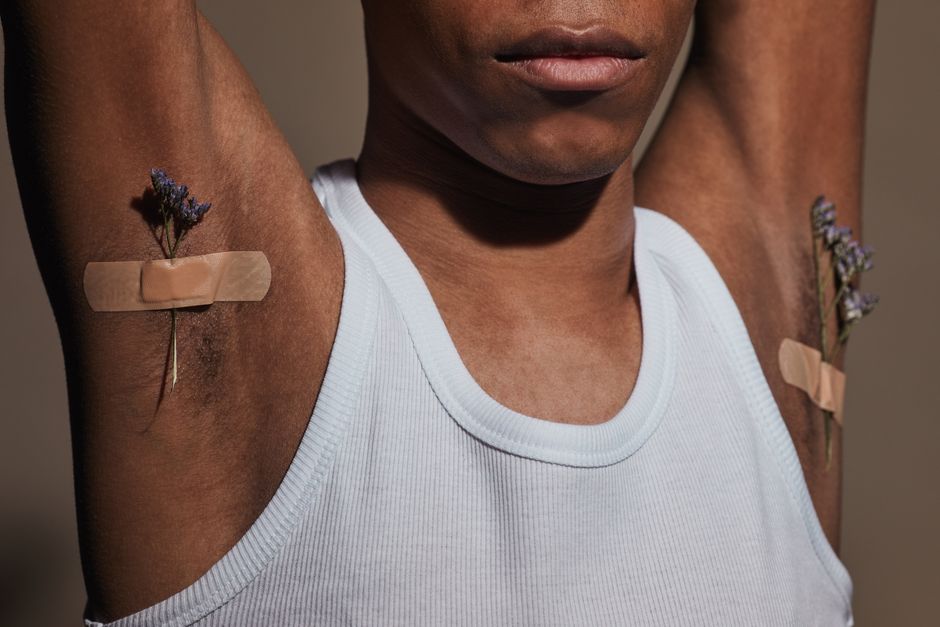
Armpit skin peeling is usually a sign of irritation, a reaction to a product, or a common skin condition like contact dermatitis or a fungal infection. It is rarely dangerous, but the cause matters because the right treatment depends on getting the diagnosis correct. Most cases resolve with simple changes, but some need a doctor’s care.
What Causes Armpit Skin Peeling?
Peeling skin means the top layer of your skin is shedding faster than normal. In the armpit, this often happens because the skin there is thin, warm, and constantly rubbing against itself and your clothing. That combination makes it especially sensitive to anything you put on it.
The most common causes fall into a few clear groups. Contact dermatitis from deodorants or antiperspirants is the leading culprit. Fungal infections like tinea (ringworm) also cause peeling. Less often, bacterial infections, allergic reactions, or chronic skin conditions like psoriasis or eczema are behind it.
Each cause has a different pattern. Knowing the pattern helps you narrow down what is happening before you try any treatment.
Is It Your Deodorant or Antiperspirant?
If your peeling started after switching products, the deodorant or antiperspirant is the likely cause. This is called contact dermatitis. It happens when a chemical or fragrance irritates the skin directly, or when your immune system reacts to an ingredient.
Common triggers include aluminum compounds, fragrances, propylene glycol, and preservatives. Aluminum is in most antiperspirants and works by blocking sweat ducts. For some people, it simply irritates the skin. Fragrances are the most frequent allergen in personal care products.
The irritation usually shows up as redness, itching, burning, and then peeling. It can appear within hours or develop over days of repeated use. If you stop using the product, the skin often improves within a few days to a couple of weeks.
Switching to a fragrance-free, aluminum-free product is a reasonable first step. But if the peeling is severe or painful, stop all products in that area until the skin heals.
Could a Fungal Infection Be the Cause?
Fungal infections are another common reason for armpit peeling. The same fungi that cause athlete’s foot can live in the armpit. The warm, moist environment there is ideal for them.
A fungal infection often causes an itchy, ring-shaped rash with a raised edge. The skin in the center may peel or look normal. It can also cause small red bumps or a general flaky appearance. The itching is usually more intense than with simple irritation.
These infections are treatable with over-the-counter antifungal creams. Clotrimazole and terbinafine are common options. You apply them for one to two weeks, sometimes longer. If the rash does not improve after two weeks of consistent use, see a doctor. Some fungal infections need prescription-strength treatment.
Keep the area dry while treating it. Fungi thrive on moisture. Shower promptly after sweating and dry the armpit thoroughly before applying any cream.


When Bacteria Cause the Peeling
Bacteria can also cause skin peeling in the armpit. One specific condition, called erythrasma, is caused by a bacteria called Corynebacterium. It creates red-brown patches that can be scaly and slightly peeling. It is often mistaken for a fungal infection because it looks similar.
Another bacterial issue is impetigo, which is more common in children but can occur in adults. It causes honey-colored crusts and peeling patches. It is contagious and needs medical treatment with antibiotics.
If the area is painful, oozing, or has a bad odor, bacteria are more likely than fungus. A doctor can take a skin scraping to tell the difference. This matters because antibacterial and antifungal treatments are not interchangeable.
Chronic Skin Conditions That Affect the Armpit
Sometimes peeling in the armpit is not an infection or a product reaction. It is a chronic skin condition that happens to appear in the armpit.
Psoriasis can affect the armpit, though it is less common there than on elbows and knees. In the armpit, it often looks like smooth, red patches without the thick silvery scales seen elsewhere. The skin may peel in thin sheets. Inverse psoriasis is the name for psoriasis in skin folds like the armpit.
Eczema (atopic dermatitis) can also appear in the armpit. It causes dry, itchy, flaky skin. It is often linked to sensitive skin elsewhere on the body.
Both conditions are manageable but not curable. Treatment usually involves prescription creams, moisturizers, and avoiding triggers. If your peeling keeps returning even when you change products and treat for fungus, a chronic condition is worth considering.
How to Treat Peeling Armpit Skin at Home
For mild peeling with no signs of infection, you can try a few simple steps at home. The goal is to remove irritants, restore the skin barrier, and keep the area dry.
- Stop using all deodorants, antiperspirants, and scented lotions on the area.
- Wash gently with a mild, fragrance-free cleanser. Avoid harsh scrubbing.
- Pat the area dry completely. Do not rub.
- Apply a thin layer of a plain, fragrance-free moisturizer or petroleum jelly to protect the skin.
- Wear loose cotton clothing to reduce friction and allow airflow.
If the peeling is itchy, an over-the-counter hydrocortisone cream can help reduce inflammation. Use it for no more than a few days unless a doctor advises otherwise. Long-term steroid use on thin skin like the armpit can cause thinning and stretch marks.
Do not pick at the peeling skin. That can open the area to infection and slow healing.
When to See a Doctor
Most peeling resolves on its own when you remove the irritant. But some situations need professional care.
See a doctor if the peeling lasts more than two weeks despite home care. Also seek help if you notice signs of infection: increasing redness, warmth, pain, swelling, pus, or a fever. If the rash is spreading rapidly or appears in other areas of your body, that is another reason to get checked.
A doctor can determine whether you have a fungal, bacterial, or allergic cause. They may prescribe a stronger antifungal, an antibiotic, or a prescription-strength steroid. In some cases, they will do a patch test to identify specific allergens in your personal care products.
One important note: if you have diabetes or a weakened immune system, skin infections can become serious quickly. Do not wait long before seeking care.
What Not to Do
Some common home remedies can make armpit peeling worse. Avoid applying undiluted tea tree oil, witch hazel, or rubbing alcohol. These are astringents that strip the skin of its natural oils. They may feel like they are cleaning the area, but they often increase irritation and delay healing.
Do not use abrasive scrubs or exfoliating brushes on peeling skin. The skin is already damaged. Scrubbing removes the protective barrier and can worsen the peeling.
Avoid covering the area with tight bandages or occlusive dressings. Trapped moisture creates the perfect environment for fungi and bacteria to grow.
Frequently Asked Questions
Can shaving cause armpit skin peeling?
Yes. Shaving removes the top layer of skin along with the hair, especially with dull blades or no shaving cream. That can leave the area raw, dry, and peeling for a few days.
Is armpit skin peeling a sign of cancer?
No. Peeling skin alone is not a sign of cancer. It is almost always caused by irritation, allergy, or infection. See a doctor if the area changes in color, shape, or texture and does not heal.
How long does peeling armpit skin take to heal?
With the irritant removed, mild peeling usually heals within one to two weeks. Fungal infections may take longer and need consistent treatment for several weeks.
Should I stop wearing deodorant if my armpit is peeling?
Yes, stop using all deodorants and antiperspirants until the skin heals. Once healed, try a fragrance-free, aluminum-free product and test it on a small area first.
