
Seeing green in the toilet bowl can be startling, but it is rarely a medical emergency. Green poop usually means that stool moved through your digestive tract too quickly for bile to break down fully. The color change is often linked to something you ate, a supplement you took, or a brief bout of diarrhea.
Why Is Green Poop Happening to You?
Bile is a digestive fluid your liver produces. It starts out green. As bile travels through your intestines, bacteria change its color from green to yellow, then to brown. If stool passes too quickly, that color change never finishes. The result is green poop.
This is the most common reason. It is also the most common reason people see green stool during a stomach bug or after eating something that did not agree with them. The faster the transit time, the greener the result.
What Foods Can Turn Stool Green?
Your diet is the first place to look. Green foods contain chlorophyll, the pigment that gives plants their color. When you eat a large amount of green vegetables, some of that pigment survives digestion.
Common culprits include:
- Spinach, kale, and other leafy greens
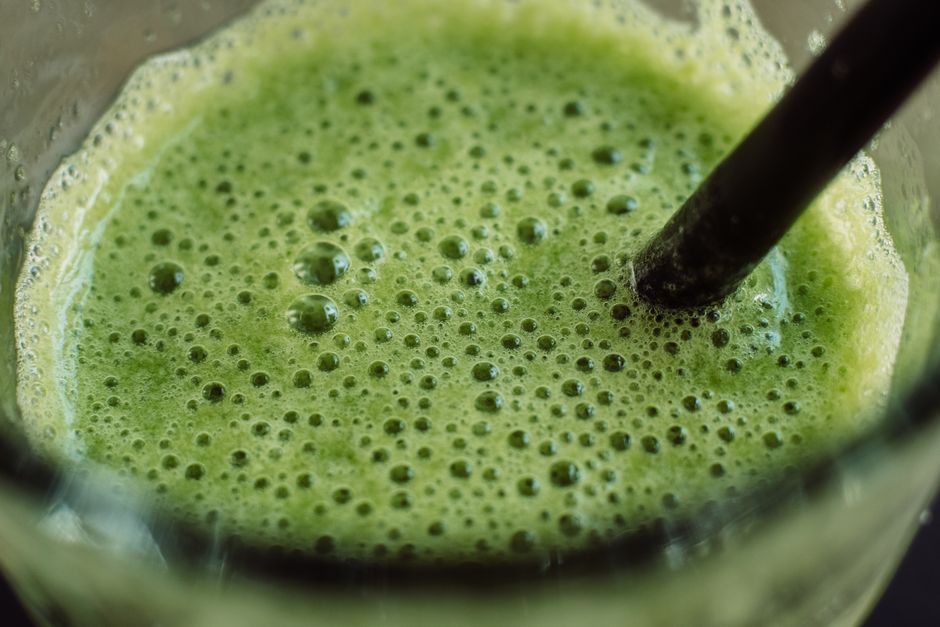
- Green smoothies or wheatgrass shots
- Green food coloring in candy, frosting, or drinks
- Green gelatin desserts
- Blueberries or dark grapes in large amounts
Artificial coloring is worth special attention. Blue and purple dyes can mix with yellow bile in the gut. The result looks green even though you ate nothing green at all. If you had a brightly colored treat recently, that may be your answer.
Iron-rich foods can also darken stool to a greenish-black shade. This is harmless, though it can be confusing the first time you see it.
Can Supplements or Medications Cause Green Stool?
Yes. Several common products can change stool color. Iron supplements are a frequent cause. They often turn stool dark green or black. This is a known side effect, not a sign of trouble.
Other possible causes include:
- Medications containing bismuth, such as bismuth subsalicylate
- Antibiotics, which can alter gut bacteria and affect bile processing
- Laxatives that speed up bowel transit
- Some fiber supplements and colon cleanse products
Antibiotics deserve a closer look. They change the balance of bacteria in your intestines. Since bacteria are responsible for turning bile from green to brown, an altered microbiome can leave stool greener than usual. This usually resolves once you finish the course and your gut bacteria recover.
If you take a medication and notice green stool, check the package insert. Many list stool color changes as an expected side effect. If yours does not mention it, ask a pharmacist whether your medication could be the cause.




When Diarrhea Is the Reason
Diarrhea and green stool often appear together. The connection is straightforward. Diarrhea means food and waste moved through your system faster than normal. That speed prevents bile from being converted to brown.
This can happen with:
- Viral gastroenteritis, sometimes called the stomach flu
- Food poisoning
- Irritable bowel syndrome with diarrhea
- Food intolerances, such as lactose intolerance
In these cases, green poop is not a separate problem. It is simply a sign that your digestive system is moving things along quickly. Once the diarrhea resolves, stool color usually returns to normal within a day or two.
If you have diarrhea alongside green stool, focus on staying hydrated. Water, clear broths, and oral rehydration solutions are appropriate choices. If diarrhea lasts more than a couple of days or is accompanied by a high fever, contact a healthcare provider.
Can Green Poop Indicate an Infection?
Some bacterial infections can produce green stool. This is not because the bacteria themselves are green. It happens because certain infections cause rapid transit and inflammation in the gut.
Salmonella and giardia are examples of infections that sometimes produce greenish stool. However, green stool alone is not enough to suspect these. Infections typically come with other symptoms such as fever, abdominal cramping, nausea, or bloody stool.
If you have green stool without any other symptoms, an infection is unlikely to be the cause. If green stool accompanies persistent fever, severe abdominal pain, or signs of dehydration, seek medical attention.
Is Green Poop Ever a Sign of a Liver or Gallbladder Problem?
Rarely. Bile is produced by the liver and stored in the gallbladder. Problems in these organs can affect bile flow. But liver and gallbladder issues usually cause pale, clay-colored stool rather than green stool. That happens when bile is blocked from entering the intestines at all.
Green stool points to the opposite problem: too much bile reaching the intestines, or bile moving through too quickly. This is far more likely to be dietary or related to a brief illness.
That said, persistent green stool without an obvious cause is worth discussing with a doctor. If it continues for more than a few days and you cannot connect it to food, supplements, or diarrhea, a medical evaluation is reasonable.
Green Poop in Babies and Young Children
Green stool is common in infants and is usually normal. Breastfed babies often have yellow-green or mustard-colored stool. Formula-fed babies may have greenish stool as well, especially when switching formulas.
In older children, green poop usually has the same causes as in adults. Green foods, food coloring, or a stomach bug are the typical explanations. Children who eat a lot of green candy or drink brightly colored sports drinks may have green stool the next day.
Parents should watch for the same warning signs they would in adults. Blood in the stool, severe abdominal pain, or green stool that persists without explanation warrants a call to a pediatrician.
When Should You See a Doctor About Green Poop?
Most cases of green poop resolve on their own. If you can trace the color to something you ate or a supplement you took, no medical care is needed. The color will return to normal once the food or supplement passes through your system.
See a doctor if green stool comes with any of these signs:
- Blood in the stool
- Persistent diarrhea lasting more than a few days
- Severe abdominal pain
- High fever
- Signs of dehydration such as dizziness or dark urine
- Green stool that continues for more than a week without explanation
Blood in stool should never be ignored. It can appear as bright red streaks or as a dark, tarry appearance. Either way, it warrants prompt medical evaluation. Green stool combined with blood is not a specific disease pattern, but it does mean your digestive tract needs attention.
What Does Normal Stool Color Tell You?
Normal stool ranges from light brown to dark brown. That brown color comes from bilirubin, a breakdown product of bile. When everything works as it should, bile is processed by gut bacteria over the course of digestion.
Brown stool is a sign that your digestive system gave food enough time to be processed. It does not mean you are healthy in any special way, but it does mean your gut transit time is within a normal range.
Other colors carry different meanings. Black stool can indicate bleeding in the upper digestive tract, though iron supplements and bismuth medications also cause it. Red stool can indicate bleeding in the lower tract or simply be the result of eating beets. Pale or clay-colored stool can suggest a bile flow problem. Green stool, by contrast, is almost always a temporary and harmless condition.
Frequently Asked Questions
Is green poop dangerous?
Green poop is rarely dangerous. It usually means food moved through your intestines faster than normal, or you ate something with green coloring or chlorophyll.
How long does green poop last?
Green poop typically lasts one to two days. Once the triggering food or illness passes, stool color returns to normal.
Can stress cause green poop?
Stress can speed up digestion, which may produce green stool. The connection is indirect but real, since stress affects gut motility.
Does green poop mean you have a stomach bug?
Not necessarily, but stomach bugs often cause it. Diarrhea from any cause can produce green stool because rapid transit prevents bile from turning brown.
