
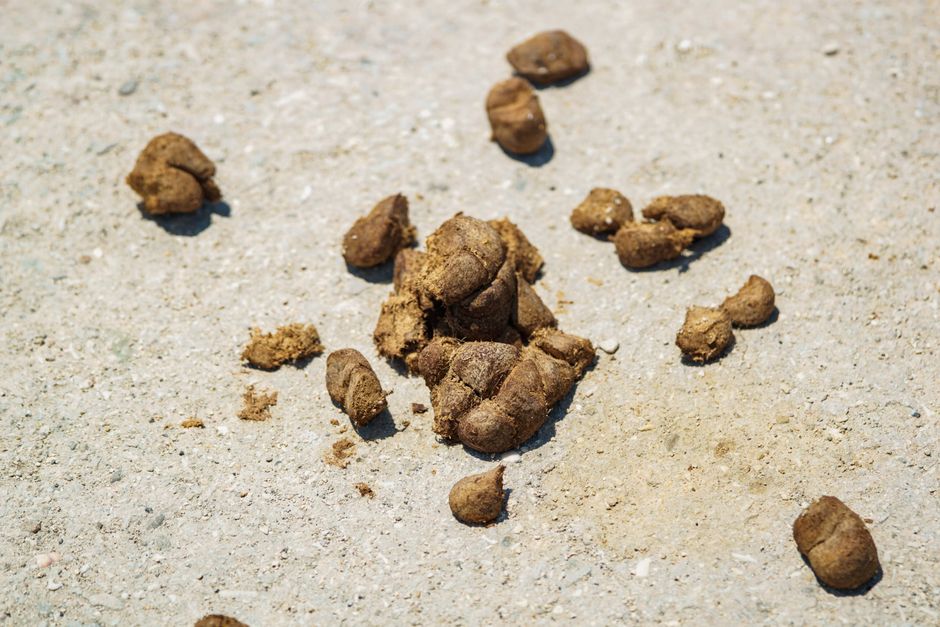
Loose stool is one of the most common digestive complaints, and for most people it is a temporary inconvenience rather than a sign of serious disease. The digestive tract is designed to reabsorb water from waste as it moves through the colon, and when that process is disrupted, the result is stool that lacks form. The science comes down to how fast food moves through your system and how much water your colon manages to pull out along the way.
Why Is Your Poop Not Solid? Science Explained
The colon, also called the large intestine, is the organ responsible for turning liquid waste into solid stool. As digested food enters the colon from the small intestine, it is mostly liquid. The colon slowly moves this material forward while its walls absorb water and electrolytes back into the body. When this process works normally, the stool becomes firm but still soft enough to pass comfortably.
Loose stool happens when the colon does not have enough time to do its job. The faster waste moves through the colon, the less water gets absorbed, and the more liquid the stool remains. This is the core mechanism behind most cases of non-solid stool, whether the cause is an infection, a food intolerance, or stress.
What Causes Stool to Lose Its Shape?
Several distinct mechanisms can produce loose stool, and identifying which one applies to you matters for finding the right solution.
Rapid transit time is the most common cause. When the muscles of the digestive tract contract too quickly, waste is pushed through the colon before enough water can be removed. This happens during bouts of diarrhea from viruses, food poisoning, or even intense stress. The body essentially speeds everything up to get rid of something it considers harmful, and the trade-off is watery stool.
Incomplete water absorption occurs when the colon itself is damaged or inflamed. Conditions like ulcerative colitis or Crohn’s disease affect the lining of the colon, reducing its ability to absorb water. Even without an inflammatory bowel disease diagnosis, a bout of gastroenteritis can temporarily reduce the colon’s absorptive capacity for days or weeks.
Malabsorption is a third pathway. If the small intestine fails to break down certain foods, undigested particles draw water into the colon through a process called osmosis. The classic example is lactose intolerance. When the enzyme lactase is insufficient, undigested lactose pulls water into the bowel, producing loose and often urgent stool.
How Fast Is Too Fast for Digestion?
Normal bowel transit time varies widely between individuals. Research suggests that food typically takes anywhere from 24 to 72 hours to travel from mouth to toilet. What matters more than the total time is consistency for your own body. A sudden change from solid to loose stool is more informative than a long-standing pattern of softer stools.
The Bristol Stool Chart is a clinical tool that classifies stool into seven types. Types 1 and 2 indicate constipation. Types 3 and 4 are considered normal. Types 5, 6, and 7 move toward diarrhea, with type 7 being entirely liquid. Stool that consistently falls into types 5 or 6 — soft blobs with clear edges, or fluffy pieces with ragged edges — suggests transit time is on the faster side for your body.





Could It Be Something You Ate?
Diet is the most common and most fixable cause of loose stool. Several food categories are well documented to affect stool consistency.
Sugar alcohols such as sorbitol, mannitol, and xylitol are poorly absorbed by the small intestine. These sweeteners are common in sugar-free gum, candies, and protein bars. When they reach the colon, they draw in water and can produce loose stool even in small amounts. The effect is dose dependent, meaning more of the sweetener produces more loosening.
Artificial sweeteners like sucralose and aspartame do not generally cause loose stool in most people, but individual responses vary. There is no strong evidence that these are a common cause of chronic loose stool.
Caffeine stimulates the muscles of the digestive tract directly. Coffee, in particular, is known to trigger a bowel movement in many people within minutes of drinking it. For some, this effect is strong enough to produce loose stool, especially on an empty stomach.
Spicy foods containing capsaicin can irritate the lining of the digestive tract and speed up transit. The effect is temporary and directly tied to eating the food.
Fat malabsorption is a different story. If your stool is greasy, floats, or is difficult to flush, that points to problems absorbing fat rather than fast transit. This can be caused by gallbladder issues, pancreatic insufficiency, or conditions like celiac disease. This pattern deserves medical attention because it suggests a structural or enzymatic problem rather than a dietary one.
When Stress Changes Your Stool
The gut and the brain are directly connected through the vagus nerve. This connection is so strong that the digestive system is sometimes called the second brain. Stress activates the sympathetic nervous system, which can either slow down or speed up digestion depending on the individual. For many people, acute stress produces loose stool within hours.
Chronic stress is more complex. It can alter the gut microbiome, affect the composition of digestive fluids, and change how quickly food moves through the system. The evidence for stress as a direct cause of chronic loose stool is strong, but the mechanism is not fully understood. What is clear is that anxiety and digestive symptoms often appear together, and treating one frequently improves the other.
What Medications Can Loosen Stool?
Several common medications list loose stool as a side effect. Metformin, used for type 2 diabetes, causes gastrointestinal symptoms in a significant number of people, especially when first started. Antibiotics disrupt the balance of bacteria in the colon, which can produce loose stool during and shortly after a course of treatment. Magnesium supplements, particularly magnesium citrate and magnesium oxide, draw water into the bowel and are commonly used as laxatives for this reason. Proton pump inhibitors used for acid reflux are associated with loose stool in some people, though the mechanism is not entirely clear. SSRI antidepressants can also affect bowel habits.
If you suspect a medication is causing loose stool, do not stop taking it on your own. Talk to your doctor about alternatives or dose adjustments.
When Loose Stool Signals Something Serious
Most loose stool resolves on its own within a few days. But there are warning signs that require medical evaluation.
See a doctor if you have loose stool that lasts more than a few weeks. Chronic diarrhea is defined as loose stool persisting for more than four weeks. This duration warrants investigation because the list of possible causes includes conditions that need treatment rather than lifestyle adjustment.
Seek urgent care if loose stool is accompanied by blood, black or tarry stool, severe abdominal pain, fever above 101°F, or signs of dehydration such as dizziness, dark urine, or extreme thirst. These symptoms can indicate infection, inflammatory bowel disease, or other conditions that require prompt medical attention.
Unintentional weight loss alongside chronic loose stool is another red flag. When the body is not absorbing nutrients properly, weight loss can occur even with a normal appetite. This combination deserves a thorough medical workup.
How to Firm Up Stool Naturally
For occasional loose stool without warning signs, several approaches are supported by evidence.
Soluble fiber absorbs water in the digestive tract and helps form bulkier stool. Foods rich in soluble fiber include oats, bananas, applesauce, and psyllium husk. Unlike insoluble fiber, which speeds up transit, soluble fiber slows it down and gives the colon more time to absorb water. Psyllium husk in particular is well studied for its ability to normalize stool consistency in both diarrhea and constipation.
Hydration matters more than most people realize. Loose stool causes fluid loss, and dehydration makes the problem worse. Drinking enough water throughout the day helps the colon function properly. The common advice to drink eight glasses a day is a reasonable goal, though individual needs vary with body size, activity level, and climate.
Probiotics have mixed evidence for treating loose stool. Some strains, particularly Saccharomyces boulardii and certain Lactobacillus strains, have shown benefit in reducing the duration of infectious diarrhea. For chronic loose stool, the evidence is less clear. Probiotics are generally safe for healthy people, but they are not a guaranteed fix.
Eating smaller meals can help if loose stool tends to follow large meals. Large meals stretch the stomach and trigger a reflex that speeds up colon activity. Smaller, more frequent meals reduce this effect.
Frequently Asked Questions
Why is my poop not solid even though I eat healthy?
Eating healthy does not guarantee solid stool. High-fiber vegetables, fruits, and whole grains can speed up transit time, and some healthy foods like sugar alcohols or spicy ingredients loosen stool directly.
Can stress alone cause loose stool every day?
Yes, chronic stress can produce daily loose stool through the gut-brain connection. The vagus nerve links emotional states to digestive function, and ongoing anxiety keeps the digestive tract in a state of heightened activity.
How long should loose stool last before seeing a doctor?
Loose stool lasting more than four weeks is considered chronic and warrants medical evaluation. See a doctor sooner if you have blood, severe pain, fever, or unintentional weight loss.
Does drinking more water make stool more solid or less solid?
More water makes stool more solid, not less. The colon needs adequate hydration to absorb water from waste effectively, and dehydration actually contributes to both constipation and poorly formed stool.
