
A standard cup of green tea contains about 29 milligrams of caffeine per 8-ounce serving. That is roughly one-third of the caffeine found in a comparable cup of brewed coffee. The exact amount varies by brand, leaf quality, water temperature, and how long you steep the tea.
How Much Caffeine In Green Tea Compared to Coffee and Other Drinks
Caffeine content in green tea sits in the middle of the beverage spectrum. It is higher than herbal tea, which has none, but much lower than coffee. Understanding these numbers helps you plan your intake throughout the day.
An 8-ounce cup of brewed coffee typically contains 95 milligrams of caffeine. Black tea contains about 47 milligrams per cup. Green tea lands at roughly 29 milligrams. These are average figures from USDA food data. Actual amounts vary widely by product and preparation.
For comparison, an 8-ounce energy drink can contain anywhere from 40 to 100 milligrams. A 12-ounce can of cola has about 34 milligrams. Dark chocolate contains about 12 milligrams per ounce. Green tea is a moderate caffeine source, not a high one.
Decaffeinated green tea contains about 2 milligrams per cup. That small amount is unlikely to cause noticeable effects in most people. If you are sensitive to caffeine or avoiding it for medical reasons, decaf green tea is the safer choice.
Why Caffeine Levels Differ Between Green Tea Brands
Not all green tea is the same. The caffeine content depends on several factors that are entirely out of your control at the point of purchase. These include the tea plant variety, where it was grown, and how it was processed.
Young tea leaves contain more caffeine than older leaves. Many premium green teas use only the top bud and first few leaves, which naturally have higher caffeine. Shade-grown teas like gyokuro have higher caffeine than teas grown in full sun. The plant produces more caffeine as a natural pesticide response to lower light.
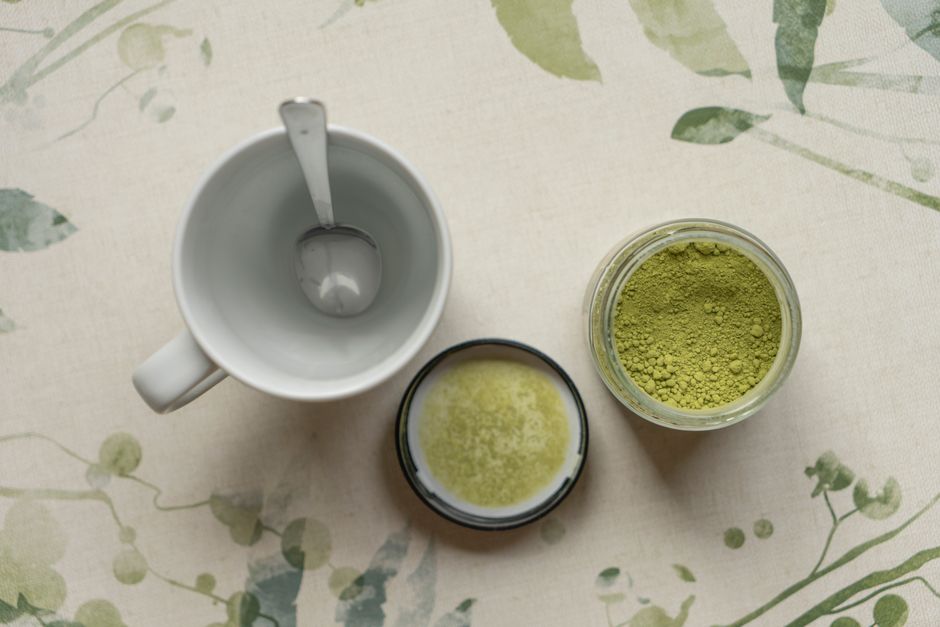
Matcha is the notable exception. Because matcha is powdered whole tea leaves, you consume the entire leaf rather than just the extract. A standard serving of matcha contains about 70 milligrams of caffeine per teaspoon. That is closer to coffee than to regular green tea.
Bagged green teas often contain fannings or dust from older leaves. These typically have lower caffeine than loose-leaf teas made from younger leaves. The difference is usually modest, around 5 to 10 milligrams per cup, but it exists.
How Brewing Time and Temperature Change Caffeine Content
How you brew green tea affects how much caffeine ends up in your cup. Hotter water and longer steep times extract more caffeine. This is a simple chemical process. Caffeine dissolves readily in hot water, and more heat means faster extraction.
Green tea is traditionally brewed at lower temperatures than black tea or coffee. Water at 160 to 180 degrees Fahrenheit is common. Steeping for 1 to 3 minutes is standard. If you use boiling water and steep for 5 minutes, you will extract more caffeine than the average figure suggests.
Studies show that steeping green tea for 1 minute extracts roughly half of the available caffeine. Steeping for 5 minutes extracts nearly all of it. The difference can be as much as 20 milligrams per cup. That is enough to matter if you are sensitive to caffeine or drinking several cups per day.
Brewing at lower temperatures does not eliminate caffeine. It only reduces how much is extracted. If you want less caffeine, brew cooler and shorter. If you want more, brew hotter and longer. This gives you some control over your intake without changing brands.




Does Green Tea Caffeine Affect You Differently Than Coffee Caffeine
Your body processes caffeine from green tea exactly the same way it processes caffeine from coffee. The molecule is identical. There is no special mechanism that makes green tea caffeine gentler on the body. What differs is the amount and the other compounds in the drink.
Green tea contains L-theanine, an amino acid that may affect how caffeine feels. Some research suggests L-theanine promotes calm alertness. When combined with caffeine, it may reduce the jittery feeling some people get from coffee. The evidence is not definitive, but many people report this effect.
Because green tea has less caffeine per cup, you are less likely to experience side effects like rapid heartbeat, anxiety, or insomnia. A single cup of coffee delivers roughly three times the caffeine of a cup of green tea. Most people tolerate green tea caffeine well, even later in the day.
Green tea also contains antioxidants called catechins. These compounds have been studied for their potential health effects. They do not interact with caffeine metabolism in a way that changes how your body handles it. The caffeine effect remains dose-dependent, just like any other caffeinated beverage.
How Much Green Tea Can You Drink Per Day
Health authorities generally consider up to 400 milligrams of caffeine per day safe for healthy adults. That is roughly 13 cups of average green tea. Most people drink far less than this. For most adults, 3 to 5 cups of green tea per day is well within safe limits.
Pregnant women are advised to limit caffeine to about 200 milligrams per day. That is roughly 6 to 7 cups of average green tea. However, many healthcare providers recommend more conservative limits. If you are pregnant, discuss your caffeine intake with your doctor.
People with certain medical conditions should be more cautious. Those with anxiety disorders, heart rhythm problems, or severe acid reflux may need to limit caffeine. Green tea is also mildly acidic and can worsen reflux in sensitive individuals. Caffeine sensitivity varies widely between people.
No clinical guidelines exist for a maximum safe amount of green tea specifically. The limits apply to caffeine overall, regardless of the source. Pay attention to how your body responds. If you feel anxious, have trouble sleeping, or notice a racing heart, reduce your intake.
Is Caffeine in Green Tea a Health Concern
For most healthy adults, green tea caffeine is not a health concern. The amounts are moderate and well within accepted safe limits. Green tea is one of the most studied beverages in the world, and the evidence for its safety is strong.
Some people worry about green tea caffeine because they have heard it can dehydrate you. Caffeine is a mild diuretic, but the water in the tea more than compensates for any fluid loss. Drinking green tea contributes to your daily fluid intake rather than depleting it.
The bigger concern is hidden caffeine from other sources. If you drink green tea throughout the day and also consume coffee, energy drinks, or caffeinated sodas, the total can add up. Track your total daily caffeine, not just what comes from green tea.
Green tea caffeine can interfere with sleep if consumed late in the day. Caffeine has a half-life of about 5 hours. That means half the caffeine from a 4 PM cup is still in your system at 9 PM. If you are sensitive to caffeine, stop drinking green tea in the early afternoon.
Which Green Tea Has the Least Caffeine
If you want green tea with minimal caffeine, your options are limited but real. Decaffeinated green tea is the clearest choice. The decaffeination process removes most of the caffeine while retaining most of the flavor and antioxidants.
Among regular green teas, bancha and hojicha tend to be lower in caffeine. Bancha is made from older leaves, which contain less caffeine. Hojicha is roasted, and the roasting process reduces caffeine content somewhat. Both are good options for people who want the taste of green tea with less stimulation.
Genmaicha, which is green tea mixed with roasted brown rice, also has less caffeine per serving. The rice dilutes the tea leaves, so each cup contains less total tea and therefore less caffeine. The exact amount depends on the ratio of tea to rice in the blend.
Herbal teas are not green tea and contain no caffeine. If you want a completely caffeine-free hot beverage, options like chamomile, peppermint, or rooibos are appropriate choices. They do not provide the same compounds as green tea, but they are caffeine-free.
Frequently Asked Questions
Does green tea have more caffeine than coffee?
No. Green tea has about 29 milligrams per cup while coffee has about 95 milligrams. Coffee has roughly three times more caffeine than green tea.
Is green tea caffeine safe during pregnancy?
Most guidelines suggest limiting total daily caffeine to about 200 milligrams during pregnancy. That is roughly 6 to 7 cups of average green tea, but many providers recommend being more conservative.
Does decaf green tea still contain caffeine?
Yes, but very little. Decaffeinated green tea contains about 2 milligrams per cup, which is unlikely to cause noticeable effects in most people.
Why does matcha have more caffeine than regular green tea?
Matcha is powdered whole tea leaves, so you consume the entire leaf rather than just the brewed extract. A standard matcha serving contains about 70 milligrams of caffeine.
