
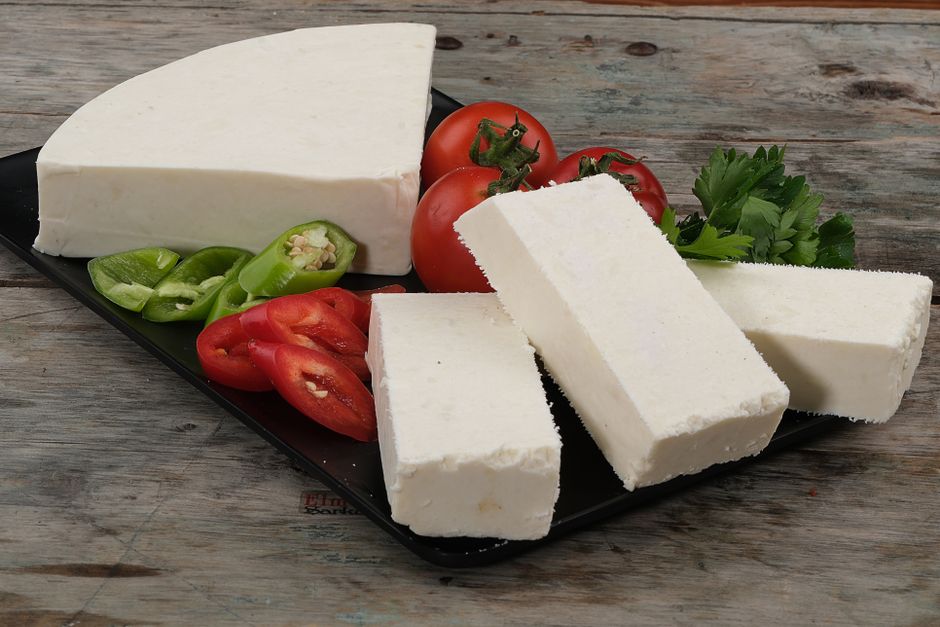
Cottage cheese has a name that sounds old-fashioned, and that is because the name is literally that old. Unlike names that describe a place like “Swiss cheese” or a person like “Brie,” the name cottage cheese describes where it was made: in a cottage. In the United States and parts of Europe, this simple, fresh cheese was a staple in rural homes, and the name stuck long after commercial production took over.
Why Is Cottage Cheese Called Cottage Cheese?
The name comes directly from the practice of making this cheese in small rural homes, or cottages, rather than in a dedicated cheese factory. In the 19th century, American farm families would make this fresh cheese in their own kitchens using leftover milk from their cows. Because it was a homemade product created in a cottage, people simply called it cottage cheese. The name was a practical description of where the food came from, not a brand or a fancy marketing term.
This cheese was never aged or pressed like cheddar or parmesan. It was eaten fresh, usually within a day or two of being made. That made it a practical food for families who did not have the means or the need to age cheese for long periods. The term “cottage cheese” first appeared in print in the United States around the mid-1800s, and it has remained the common name ever since.
What Exactly Is Cottage Cheese?
Cottage cheese is a fresh cheese made from curds. It starts with pasteurized milk, which is acidified and treated with enzymes to separate the solid curds from the liquid whey. The curds are then washed, drained, and often mixed with a small amount of cream to give the final product its familiar creamy texture.
The result is a cheese that is mild, slightly tangy, and full of small lumps or curds. It is not aged, which means it has a much shorter shelf life than hard cheeses. It also means the flavor stays mild and fresh rather than developing the sharpness that comes with aging.
One thing many people do not realize is that cottage cheese is technically a low-fat or non-fat product depending on how it is made. The fat content comes almost entirely from the cream that is added back after the curds are washed. This is why you can find versions labeled “low-fat” or “non-fat” that still taste similar to the full-fat version.
How Is Cottage Cheese Different From Other Fresh Cheeses?
Cottage cheese belongs to a family of fresh cheeses that also includes ricotta, cream cheese, and farmer’s cheese. They are all unaged, but they are made differently.
Ricotta is made from the whey left over from making other cheeses, not from the curds. That gives it a finer, smoother texture. Cream cheese is made from cream and milk and has a smooth, spreadable consistency. Farmer’s cheese is pressed more firmly than cottage cheese, so it has less moisture and a drier texture.
Cottage cheese is unique because it is washed after the curds form. The washing removes some of the acidity and gives it that distinct mild taste. The curds also remain loose and separate, which is why cottage cheese has that lumpy look that other fresh cheeses do not.




Is Cottage Cheese a Good Source of Protein?
Yes. Cottage cheese is well known for being a high-protein food. A single cup of low-fat cottage cheese contains roughly 24 grams of protein, which is comparable to a serving of chicken breast or Greek yogurt. This makes it a popular choice for people looking to increase their protein intake without consuming large amounts of fat.
The protein in cottage cheese is mostly casein, which is a slow-digesting protein. This means it provides a steady release of amino acids over several hours, rather than a quick spike. Some athletes eat cottage cheese before bed for this reason, though the evidence for a specific benefit from nighttime casein is mixed. What is clear is that cottage cheese is a complete protein, meaning it contains all nine essential amino acids your body needs from food.
It also provides calcium, phosphorus, and B vitamins. The exact amounts vary by brand and by whether the cheese is made with added cream or salt, so checking the nutrition label is the only reliable way to know what you are getting.
What About the Sodium Content?
Cottage cheese can be high in sodium. This is a point that often surprises people because the cheese does not taste especially salty. The salt is used during the cheesemaking process to control moisture and flavor, and some of it remains in the final product.
A single cup of regular cottage cheese can contain between 400 and 800 milligrams of sodium, depending on the brand. For comparison, the American Heart Association recommends limiting sodium to no more than 2,300 milligrams per day, with an ideal limit of 1,500 milligrams for most adults. If you are watching your blood pressure, the sodium content of cottage cheese is worth paying attention to.
Many brands now offer “no salt added” versions that dramatically reduce the sodium content. These are a reasonable option if you want the protein and calcium without the extra salt, though the flavor will be blander.
Is Cottage Cheese Safe for Everyone to Eat?
Cottage cheese is safe for most people, but there are some important exceptions. Because it is made from milk, it is not safe for anyone with a true milk allergy. It also contains lactose, so people with lactose intolerance may experience digestive symptoms after eating it. However, the culturing and washing process reduces the lactose content compared to plain milk, so some people with mild lactose intolerance can tolerate small amounts.
Pregnant women need to be cautious about which cottage cheese they buy. Unpasteurized or raw milk cheese can carry listeria, a bacteria that is dangerous during pregnancy. The good news is that most commercial cottage cheese in the United States is made from pasteurized milk, which kills listeria. Always check the label to confirm the product says “pasteurized” before eating it during pregnancy.
People with kidney disease or those on a restricted protein diet should talk to their doctor before adding cottage cheese to their routine. The high protein content can be an issue for people whose kidneys cannot filter protein byproducts efficiently.
How Should You Store Cottage Cheese?
Cottage cheese must be kept refrigerated at all times. It is a fresh cheese, which means it spoils much faster than aged cheeses. An opened container will typically last about one week in the refrigerator, though the exact time depends on the brand and how the container is handled.
Always use a clean spoon to scoop out cottage cheese. Putting a used spoon back into the container introduces bacteria that can speed up spoilage. Keep the lid tightly sealed when you are not using it, and store it on a refrigerator shelf rather than in the door, where temperatures fluctuate more.
If you see mold, throw the entire container away. Do not try to scoop out the moldy part and eat the rest. Unlike hard cheeses where you can cut away mold, the moisture in cottage cheese allows mold to spread invisibly through the entire product.
Why Did Cottage Cheese Become So Popular in the United States?
Cottage cheese had two major surges in popularity in the United States. The first was during the early 20th century, when it was promoted as a health food. It was inexpensive, high in protein, and low in fat compared to many other cheeses, which made it appealing to people looking for affordable nutrition.
The second surge came in the 1970s and 1980s, when diet culture was booming. Cottage cheese became a staple of the “diet plate” at restaurants, often served with a slice of pineapple or a peach half. It was seen as the food you ate when you were trying to lose weight. That reputation faded somewhat in the 1990s and 2000s, but cottage cheese has seen a renewed interest in recent years because of the broader focus on high-protein foods.
Today, cottage cheese is used in everything from savory dishes to smoothies and even baked goods. Its mild flavor and creamy texture make it versatile, and its protein content keeps it relevant in a market that prioritizes protein above almost everything else.
Frequently Asked Questions
Is cottage cheese actually made in cottages?
It was originally made in rural homes and small cottages, which is how it got its name. Today, almost all commercial cottage cheese is made in large dairy processing facilities.
Is cottage cheese healthier than regular cheese?
It depends on what you are comparing. Cottage cheese is generally lower in fat and calories than aged cheeses like cheddar, but it also has more sodium per serving.
Can you eat cottage cheese if you are lactose intolerant?
Some people with lactose intolerance can tolerate small amounts because the cheesemaking process reduces lactose. The only reliable way to know is to try a small portion and see how your body responds.
Why does cottage cheese have lumps?
The lumps are the curds, which form when milk separates into solid curds and liquid whey. Cottage cheese is unique because the curds are washed and left loose rather than pressed together.
