
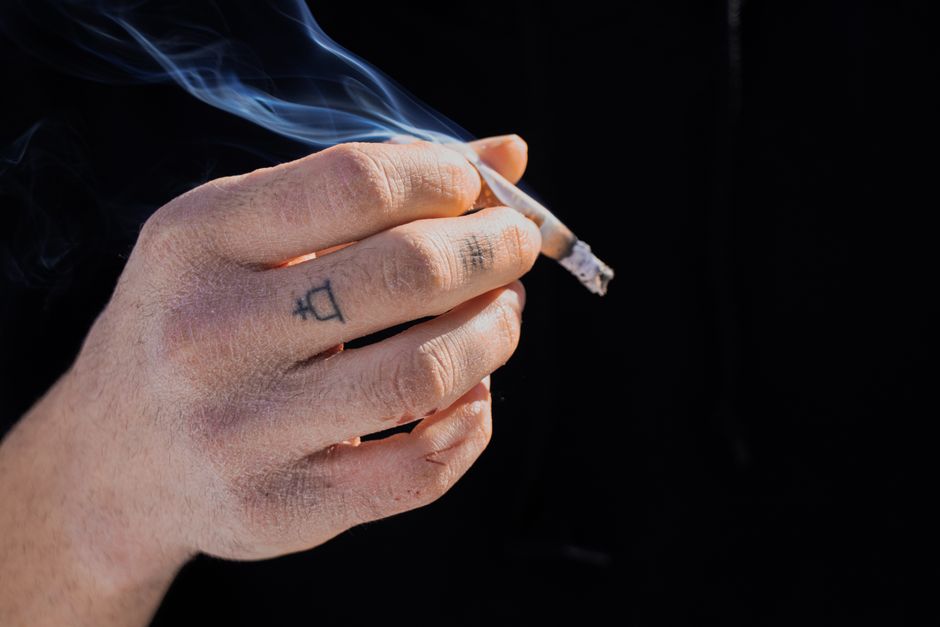
If you have never smoked before, the mechanics are simple: light the end, put the other end in your mouth, and inhale the smoke. But the act of smoking is far more than lighting and inhaling. It involves a specific technique, an understanding of how the cigarette burns, and a clear awareness of what the smoke does to your body the moment it enters your lungs. This guide explains the physical process step by step, and it also covers why smoking is so hard to quit and what the immediate health effects actually are.
How Do You Smoke A Cigarette: The Basic Steps
Hold the cigarette between your index and middle fingers, with the filter end pointing toward your mouth. Place the filter between your lips, but do not bite down on it. Use a lighter or match to ignite the tobacco at the opposite end while you draw air through the cigarette.
Draw gently at first. If you pull too hard, the cigarette burns too hot and the smoke becomes harsh. A steady, moderate draw lights the tobacco evenly. Once the tip is glowing, you can inhale.
Inhaling means pulling the smoke from your mouth into your lungs. Some new smokers hold the smoke in their mouth first, then take a quick breath of fresh air to pull it down. This is called a “mouth-to-lung” hit. It is the most common way people smoke cigarettes, and it delivers nicotine effectively. Direct lung inhalation, like breathing in the smoke as you would breathe air, is harsher and less common with cigarettes.
Exhale after a moment. There is no benefit to holding smoke in your lungs longer. Nicotine is absorbed almost immediately, and holding smoke only increases irritation to your airways.
What Happens to Your Body With the First Puff
Nicotine reaches your brain within about 10 seconds of inhaling. This is faster than an intravenous injection of any drug. The speed is part of what makes cigarettes so addictive.
Your heart rate increases. Your blood pressure goes up. Your airways relax and widen slightly, which is why many smokers feel a “clearing” sensation in their chest. At the same time, the smoke deposits thousands of chemicals into your lungs. Some of these chemicals, like carbon monoxide, bind to your red blood cells and reduce the amount of oxygen your blood can carry.
You may feel dizzy or nauseous on your first cigarette. This is a normal reaction. Your body is not used to nicotine, and it is not used to the irritants in smoke. For some people, this feeling passes quickly. For others, it is strong enough that they never smoke again. If you feel lightheaded, sit down and breathe fresh air. The sensation usually fades within a few minutes.
Why Cigarettes Are So Hard to Quit
Nicotine is the addictive chemical in tobacco. It triggers the release of dopamine in the brain, which creates a feeling of pleasure and reward. Over time, your brain adjusts to the presence of nicotine. You need more of it to get the same effect, and you feel uncomfortable when you do not have it.
Withdrawal symptoms can begin within a few hours of your last cigarette. Common symptoms include irritability, anxiety, difficulty concentrating, increased appetite, and a strong craving for a cigarette. These symptoms peak in the first few days and gradually fade over several weeks, but cravings can persist for months or years.
Smoking is also a behavioral habit. Many smokers associate cigarettes with specific moments: morning coffee, driving, finishing a meal, or socializing with friends. These triggers are as powerful as the chemical addiction. Quitting means breaking both the physical dependence and the behavioral routines.
Research consistently shows that nicotine is as addictive as heroin or cocaine. This is not an exaggeration. The combination of fast brain delivery, frequent dosing, and strong behavioral cues makes cigarettes one of the most difficult substances to quit.





Immediate Health Effects You Should Know
Smoking affects your body long before cancer or heart disease develop. Within minutes of your first cigarette, your heart rate and blood pressure rise. Your skin temperature drops because blood vessels constrict. Your airways become inflamed, and you may cough more than usual.
Carbon monoxide in cigarette smoke displaces oxygen in your blood. This means your heart has to work harder to deliver oxygen to your muscles and organs. Over time, this extra workload damages your heart and blood vessels.
Smoking also affects your senses. Your sense of smell and taste often dull. Your breath and clothes carry the smell of smoke. Your fingers may develop a yellow stain from the tar in tobacco. None of these effects require years of smoking. They can appear within weeks of starting.
Are There Safer Alternatives?
No cigarette is safe. Light cigarettes, menthol cigarettes, and “natural” or additive-free cigarettes all carry the same health risks. The filters do not protect you from harmful chemicals. They only change the feel of the smoke.
Electronic cigarettes, or vaping, are less harmful than combustible cigarettes, but they are not harmless. Vaping delivers nicotine, which is addictive, and the long-term health effects of inhaling vaporized liquids are still not fully known. Some research suggests that vaping can damage lung tissue and increase the risk of respiratory illness.
Nicotine replacement therapy, such as patches, gum, and lozenges, is a safer way to manage nicotine cravings. These products deliver nicotine without the tar and carbon monoxide found in smoke. They are approved by health authorities as tools to help people quit smoking. They are not intended for long-term recreational use.
If you are considering smoking for the first time, the evidence is clear: there is no safe level of cigarette use. Every cigarette causes harm. The best choice for your health is not to start.
What to Do If You Want to Quit
Quitting smoking is difficult, but it is possible. Most people need multiple attempts before they quit for good. Each attempt teaches you something about your triggers and your coping strategies.
Set a quit date. Tell friends and family that you are quitting. Remove cigarettes, lighters, and ashtrays from your home and car. Identify your triggers and plan how you will handle them without a cigarette.
Consider using nicotine replacement therapy or prescription medications. These treatments roughly double your chances of quitting successfully. They are most effective when combined with counseling or behavioral support.
Your body begins to heal quickly after you quit. Within days, your sense of taste and smell improves. Within weeks, your circulation gets better and your lung function starts to recover. The longer you stay smoke-free, the lower your risk of heart disease, stroke, and cancer.
Frequently Asked Questions
How long does it take to learn how to smoke a cigarette?
Most people learn the mechanics in a few minutes, but it can take several cigarettes to get used to the sensation of inhaling. Coughing and dizziness are common in the first few attempts.
Do you inhale cigarette smoke into your lungs?
Yes, inhaling into the lungs is how nicotine is absorbed quickly into your bloodstream. Some people puff without inhaling deeply, but this delivers much less nicotine and still exposes your mouth and throat to harmful chemicals.
Why do people cough when they smoke their first cigarette?
The smoke irritates your airways, and your body tries to expel it by coughing. This is a protective reflex, and it fades as your airways become less sensitive to the irritation.
Is it possible to smoke a cigarette without getting addicted?
No one can predict who will become addicted to nicotine. Many people who smoke only occasionally still develop dependence. The safest approach is not to start at all.
