
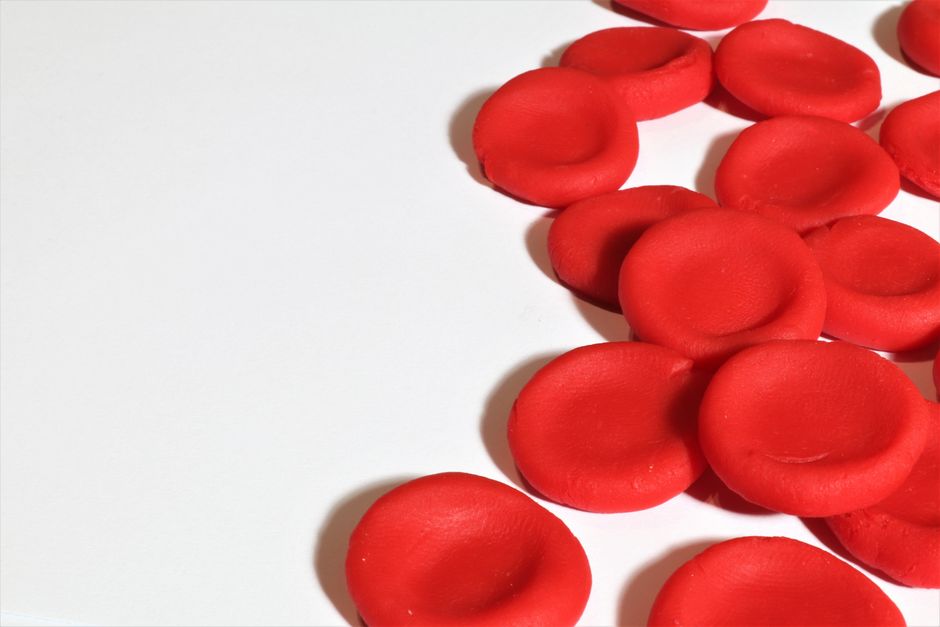
Blood feels sticky because it is not just liquid. It is a suspension of cells — mostly red blood cells — floating in a protein-rich fluid called plasma. Blood viscosity is the technical term for how thick and resistant to flow that mixture is. The more cells and proteins packed into the same volume, the harder the heart has to push to move it.
That single property affects nearly everything downstream: how hard the heart works, how smoothly blood moves through the smallest vessels, and how likely it is to clot. Here is what the science actually shows about blood viscosity — and where the marketing gets ahead of the evidence.
Why Is Blood Sticky The Science Of Blood Viscosity?
Whole blood is roughly 45 percent red blood cells by volume in a typical adult. That measurement is called hematocrit. Plasma makes up the rest, and it carries dissolved proteins, salts, sugars, and fats.
Viscosity describes a fluid’s internal resistance to flow. Water has low viscosity. Honey has high viscosity. Blood sits closer to water than honey, but it is still about three to four times thicker than water under normal conditions. That thickness comes from two main sources: the concentration of red blood cells and the protein content of plasma.
Red blood cells are flexible discs. In large vessels they flow in a single-file line, which actually lowers resistance. In tiny capillaries, they deform to squeeze through. This behavior is unusual — blood does not act like a simple fluid. Its viscosity changes depending on how fast it is flowing. This property is called shear-thinning. When blood moves quickly, it thins. When it slows down, it thickens.
That last point matters more than most people realize. In slow-moving or stagnant areas of circulation, blood becomes measurably more viscous. This is one reason why sluggish flow is a risk factor for clot formation, independent of any clotting disorder.
What Makes Blood Thicker Than Normal?
Several factors raise blood viscosity. Some are temporary and reversible. Others reflect underlying disease.
- Higher hematocrit: More red blood cells means thicker blood. This can result from dehydration, living at high altitude, smoking, or a rare condition called polycythemia vera.
- Plasma protein levels: Fibrinogen and certain immunoglobulins increase plasma viscosity. Fibrinogen is a clotting protein, and elevated levels are associated with cardiovascular risk.
- Dehydration: Losing fluid concentrates the blood. Even mild dehydration measurably raises viscosity.
- Temperature: Cold makes blood thicker. This is a physical property of fluids, not a disease process.
- Red cell stiffness: In some conditions, red blood cells become less deformable. Stiffer cells raise viscosity, especially in small vessels.
Some of these factors overlap. A smoker who is dehydrated and lives at altitude may have significantly thicker blood than a nonsmoker at sea level with normal hydration. The effects compound.
How Does Blood Viscosity Affect Heart Health?
Thicker blood means the heart must generate more pressure to circulate it. Over time, that extra workload can contribute to changes in the heart muscle.
Research has consistently found that elevated blood viscosity is associated with cardiovascular events. This does not mean viscosity causes those events on its own. It means higher viscosity tends to travel with other risk factors — high blood pressure, abnormal cholesterol, inflammation, and diabetes. Whether viscosity is an independent causal factor or mainly a marker of underlying risk is still debated.
What is clearer is the relationship with blood pressure. When blood is more viscous, resistance to flow increases. The heart compensates by pushing harder. Some researchers have proposed that measuring viscosity could improve cardiovascular risk prediction beyond standard factors. That idea is promising but not yet part of routine clinical practice.
One non-obvious point: hematocrit that is too low also has risks. Anemia reduces oxygen-carrying capacity. The goal is not “thin blood” in the abstract. It is blood that flows well while still carrying enough oxygen.



Can You Lower Blood Viscosity Naturally?
Hydration is the most direct lever. When you are well hydrated, plasma volume increases and hematocrit effectively drops. This is simple physiology, not a supplement claim.
Regular aerobic exercise has been shown to improve blood flow properties. Training can increase plasma volume, which lowers hematocrit slightly even as red cell mass stays stable. This is one reason athletes often have lower resting hematocrit than sedentary adults.
Diet plays a role, though the evidence is more mixed. Diets rich in fruits, vegetables, and omega-3 fatty acids have been associated with more favorable blood flow characteristics in some studies. The effect sizes are modest. No single food dramatically changes viscosity.
Smoking cessation matters. Smoking raises hematocrit and increases fibrinogen. Quitting reverses some of these changes over time.
What does not have strong evidence: most “blood thinning” supplements sold online. Garlic, turmeric, and nattokinase have some preliminary research, but no large human trials have confirmed they meaningfully lower viscosity or prevent cardiovascular events. Anyone taking anticoagulant medication should talk to their doctor before adding any supplement marketed for circulation, because interaction risks are real.
When Should You Be Concerned About Sticky Blood?
There is no routine blood test for viscosity in standard checkups. It is measured in research settings and in certain specialist evaluations, not as a screening tool.
Conditions linked to pathologically high viscosity include polycythemia vera, Waldenström macroglobulinemia, and some autoimmune diseases. These are uncommon. They typically produce symptoms like unusual fatigue, blurred vision, headaches, or bleeding problems — not just a vague sense of “thick blood.”
For most people, the practical concern is not a diagnosed viscosity disorder. It is the cumulative effect of modifiable factors: dehydration, smoking, inactivity, and poorly controlled metabolic conditions. These are the things that move the needle, and they are the things a doctor can actually help with.
If you have symptoms that concern you — chest pain, sudden shortness of breath, unexplained vision changes, or swelling in one leg — seek medical care. Do not try to self-diagnose a blood flow problem or treat it with supplements.
Does Blood Viscosity Testing Matter for Most People?
For the general population, no. Viscosity testing is not part of standard preventive care. The evidence does not yet support using it to guide treatment decisions in healthy adults.
Where it may matter: certain blood cancers, inflammatory conditions, and some cardiovascular research contexts. In those settings, specialists may measure it alongside other markers.
The concept is useful for understanding how blood works. It is less useful as a consumer health metric. If a company is selling a “viscosity test” or a supplement to “thin your blood naturally,” be skeptical. No regulatory body has approved blood viscosity as a standalone diagnostic for cardiovascular risk in the general population.
Frequently Asked Questions
What causes blood to be sticky?
Blood is sticky mainly because of red blood cells and plasma proteins. Higher red cell counts, dehydration, smoking, and elevated fibrinogen all increase viscosity.
Can drinking water thin your blood?
Hydration increases plasma volume, which lowers hematocrit and slightly reduces viscosity. It does not act like a blood-thinning medication and should not be treated as one.
Is thick blood dangerous?
Very high viscosity can strain the heart and raise clot risk, but this usually occurs with an underlying condition. Mildly elevated viscosity from dehydration or smoking is more of a risk factor than an emergency.
Are there medications that lower blood viscosity?
Some medications affect blood thickness indirectly. Aspirin and anticoagulants reduce clotting, not viscosity itself. No drug is approved specifically to lower viscosity in otherwise healthy people.
