
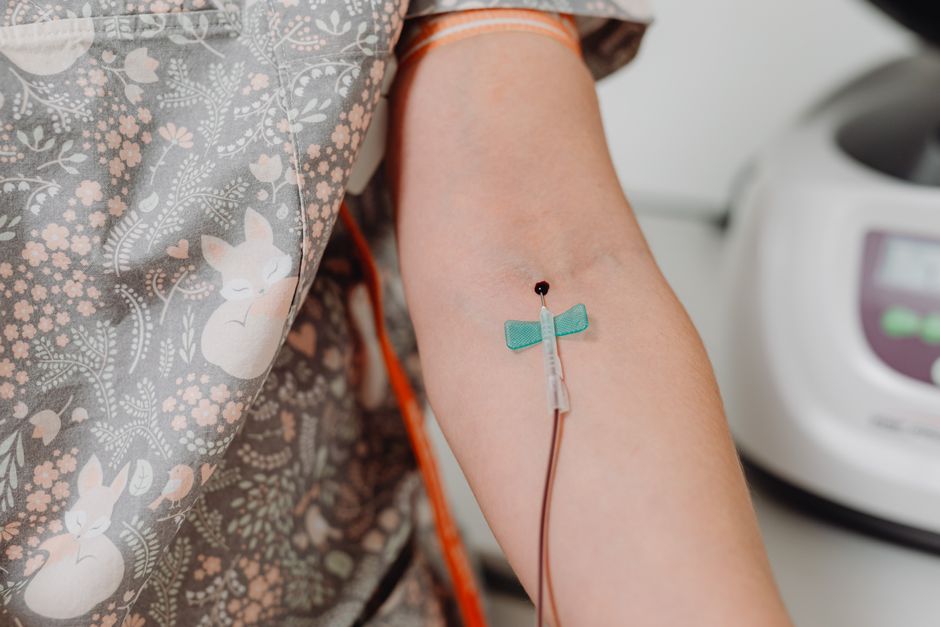
Your blood type is one of the first things medical teams need to know in an emergency. It is determined by the presence or absence of specific proteins, called antigens, on the surface of your red blood cells. The most common blood groups are O positive and A positive, which together account for roughly 70% of the population. The eight main blood types are A positive, A negative, B positive, B negative, AB positive, AB negative, O positive, and O negative.
What Determines Your Blood Group?
Blood type is inherited from your parents, much like eye color or height. The system that defines your blood group is called the ABO system. It is based on two antigens, A and B. If you have A antigens, you have type A blood. If you have B antigens, you have type B blood. If you have both, you have type AB blood. If you have neither, you have type O blood.
The second major factor is the Rh factor, also known as the D antigen. If this protein is present on your red blood cells, you are Rh positive. If it is absent, you are Rh negative. This is why blood types are written with a plus or minus sign, such as A+ or O-.
Your immune system treats any blood type different from your own as foreign. This is why receiving a mismatched transfusion can be dangerous. Knowing your type is not just useful for emergencies—it is a core part of safe medical care.
What Are The Most Common Blood Groups in Order?
Blood type distribution varies slightly by region and ethnicity, but the general ranking in the United States is consistent. O positive is the most common. A positive is the second most common. B positive and AB positive follow. The negative types are less common because the Rh negative trait is rarer than Rh positive.
Here is the typical distribution in the U.S. population:
- O positive: 38% of people
- A positive: 34% of people
- B positive: 9% of people
- AB positive: 3% of people
- O negative: 7% of people
- A negative: 6% of people
- B negative: 2% of people
- AB negative: 1% of people
These percentages are based on data from blood donation organizations and public health studies. The exact numbers shift slightly depending on the population being measured. For example, people of Asian descent have a higher rate of B positive blood than people of European descent.
Why Is O Negative Considered the Universal Donor?
O negative blood lacks A, B, and Rh antigens entirely. Because there are no foreign antigens, anyone can receive O negative red blood cells without their immune system attacking them. This makes O negative the universal donor type for red blood cell transfusions.
Hospitals rely heavily on O negative blood for emergency situations. When a trauma patient needs blood immediately and there is no time to test their type, O negative is used. This is why blood banks constantly ask for O negative donations. It is rare—only about 7% of people have it—but it is essential for emergencies.
AB positive is the opposite. People with AB positive blood have all three antigens. They can only receive blood from other AB positive donors when it comes to red blood cells. However, AB positive plasma is considered universal plasma because it contains no antibodies against A or B blood types. This distinction matters for blood banks and hospitals managing limited supplies.





Which Blood Type Is the Most in Demand?
O positive is the most frequently requested blood type by hospitals. This is not because it is the most needed medically, but because it is the most common. A large portion of the population has O positive blood, so hospitals need a steady supply to treat those patients.
O negative is the most critical type to keep in stock. It is the only type that can be given to any patient in an emergency. Blood centers often describe O negative as the “emergency blood” because it buys time while a patient’s own type is determined.
Platelets and plasma have different demand patterns. Platelets, which help blood clot, have a shelf life of only five days. Type AB plasma is used for patients of all blood types in certain situations. This means donation needs vary depending on what component of blood is being collected.
Can Your Blood Type Change Over Time?
Your blood type is fixed at birth and does not change naturally. It is determined by your genes and remains the same throughout your life. The only exceptions are rare and extreme medical situations.
A bone marrow transplant can change a person’s blood type. Bone marrow produces red blood cells, so when a patient receives marrow from a donor, their blood type can change to match the donor’s. This is a known and documented outcome of the procedure.
Some illnesses can temporarily affect how blood type is detected. Certain cancers and infections can reduce antigen expression on red blood cells. In these rare cases, a lab test might show a different or weakened blood type result. This is a temporary state and not a true change in the person’s underlying blood type.
How Do Blood Groups Affect Pregnancy?
The Rh factor becomes especially important during pregnancy. If an Rh negative mother carries an Rh positive baby, her immune system may produce antibodies against the baby’s red blood cells. This is called Rh incompatibility.
In a first pregnancy, this rarely causes problems because the mother’s immune system does not usually develop enough antibodies in time. The risk is higher in subsequent pregnancies with Rh positive babies. The mother’s existing antibodies can cross the placenta and attack the baby’s red blood cells, leading to a condition called hemolytic disease of the newborn.
This condition is now largely preventable. Rh negative mothers receive an injection called Rh immunoglobulin, often known by the brand name RhoGAM, during pregnancy and after birth. This injection prevents the mother’s immune system from developing antibodies against Rh positive blood. Routine prenatal care includes blood type testing specifically to identify this risk early.
What Is the Rarest Blood Type?
Within the eight main blood types, AB negative is the rarest. Only about 1% of the U.S. population has it. B negative is the next rarest at around 2%.
Beyond the eight standard types, there are hundreds of other blood group systems. Some are extremely rare. The Rh-null blood type, sometimes called “golden blood,” is one of the rarest in the world. Fewer than 50 people worldwide are known to have it. These individuals can donate to almost anyone, but they can only receive Rh-null blood themselves.
Most people will never need to know about these rare systems. Standard blood typing covers the eight common types that matter for everyday transfusions and pregnancy care. Rare types only become relevant in complex medical situations or for people with unusual antibody profiles.
Does Your Blood Type Affect Your Health?
Research has examined whether blood type influences disease risk. Some studies suggest that certain blood types may have slightly higher or lower risks for specific conditions. For example, some research has linked type O blood to a lower risk of heart disease and certain stomach infections.
Other studies have looked at blood type and susceptibility to illnesses like COVID-19. Early research suggested type A blood might be associated with a slightly higher risk of severe infection. Later studies produced mixed results, and the overall evidence is not strong enough to change medical care.
There is no clinical recommendation based on blood type for disease prevention. Your blood type does not determine your health outcomes. Lifestyle factors like diet, exercise, and smoking status have far greater influence. If a source claims your blood type dictates a specific diet or health protocol, that claim is not supported by clinical evidence.
Frequently Asked Questions
What is the most common blood type?
O positive is the most common blood type, found in about 38% of the U.S. population. A positive is the second most common at about 34%.
Which blood type is the universal donor?
O negative is the universal donor for red blood cells because it lacks A, B, and Rh antigens. It can be safely given to patients of any blood type in emergencies.
What is the rarest of the eight main blood types?
AB negative is the rarest of the eight standard blood types, present in about 1% of people. B negative is the second rarest at about 2%.
Can a person’s blood type change?
Your blood type is fixed for life and does not change naturally. A bone marrow transplant can change it, and rare medical conditions can temporarily affect test results.
