
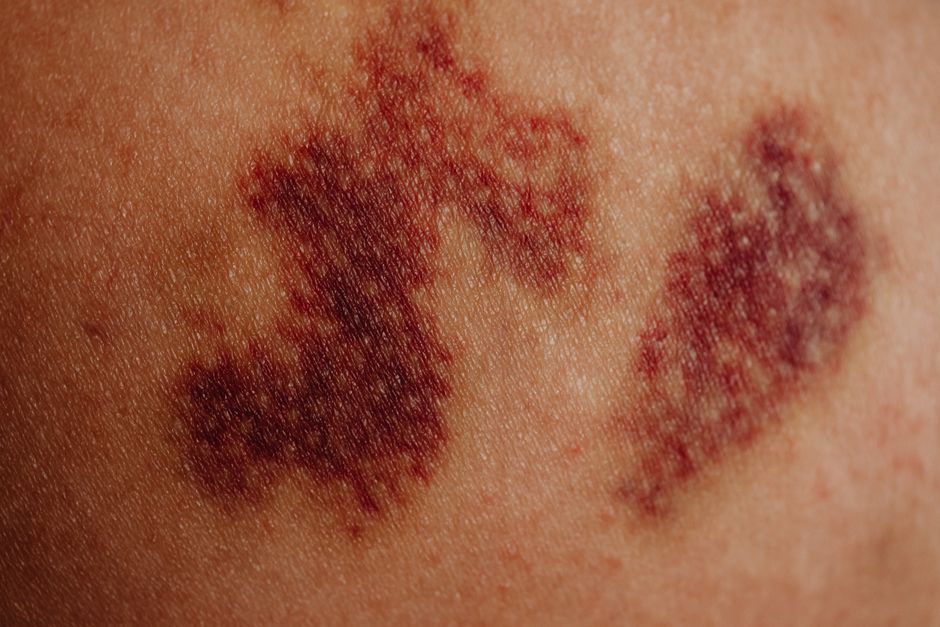
You notice a dark purple mark on your arm and have no idea where it came from. For many older adults, this happens all the time. The skin becomes thinner, blood vessels get more fragile, and even a light bump that you barely feel can leave a bruise that lasts for weeks. The good news is that while you cannot completely stop aging skin from bruising, you can reduce how often it happens and help bruises heal faster. It comes down to protecting your skin, getting the right nutrients, and knowing when a bruise might mean something more serious.
What causes elderly skin to bruise so easily?
The main reason is that skin changes with age. After age 60, the outer layer of skin gets thinner by about 20 percent. The fat layer underneath that cushions blood vessels also shrinks. This means there is less padding between your blood vessels and the hard surfaces you bump into.
Blood vessels themselves become more fragile. The walls of capillaries and small veins weaken over time. A minor bump that would not have broken a younger person’s blood vessels can now cause them to leak. Blood seeps into the surrounding tissue, and that is what creates the black and blue mark you see.
Medications also play a big role. Blood thinners like aspirin, warfarin, and newer drugs such as apixaban make bruising much more common. Even over-the-counter pain relievers like ibuprofen and naproxen can increase bruising because they affect how blood clots. Many older adults take these medications daily without realizing they are making their skin more prone to bruising.
Can vitamins or diet really help reduce bruising?
Research shows that certain nutrients support blood vessel health and skin strength. Vitamin C is essential for collagen production. Collagen is the protein that keeps skin firm and blood vessel walls strong. A study published in the American Journal of Clinical Nutrition found that older adults with higher vitamin C intake had fewer bruises after minor injuries.
Vitamin K is directly involved in blood clotting. Some people report that taking vitamin K supplements reduces bruising, though strong clinical evidence is limited. Current research suggests that topical vitamin K creams may help bruises fade faster after they appear, but the effect on preventing new bruises is not well established.
Bioflavonoids, particularly rutin and hesperidin, have shown promise. These plant compounds strengthen capillary walls. A small study from 2018 found that older adults who took a rutin supplement for six weeks had a measurable reduction in new bruises. The effect was modest but real. You can find bioflavonoids in citrus fruits, berries, and green tea.
One important point: do not start taking high-dose supplements without talking to a doctor first. Some vitamins and herbs can interact with blood thinners. Vitamin K, for example, can reduce the effectiveness of warfarin. Always check with a healthcare provider before adding any supplement to your routine.
What actually works to prevent bruises in elderly skin?
Protecting the skin physically is the most effective strategy. This sounds simple, but it makes the biggest difference. Long sleeves and pants provide a barrier between fragile skin and hard objects. Some doctors recommend padded sleeves or shin guards for people who bruise very easily, especially if they have fallen before.
Good lighting in the home matters more than most people realize. Many bruises happen because someone bumps into furniture they did not see clearly. Nightlights in hallways and bathrooms can prevent a lot of accidental contact. Removing clutter from walking paths also helps.
Moisturizing the skin daily may seem unrelated to bruising, but it helps. Dry skin is more fragile and tears more easily. When the skin tears, blood vessels underneath are more likely to break. A thick moisturizer applied right after bathing locks in moisture and keeps the skin more flexible.
Here is a comparison of common prevention strategies and what the evidence says about each:
| Strategy | What it does | Evidence strength |
|---|---|---|
| Protective clothing | Shields skin from bumps | Strong |
| Vitamin C intake | Supports collagen production | Moderate |
| Bioflavonoid supplements | Strengthens capillary walls | Moderate |
| Topical vitamin K cream | May speed bruise fading | Weak to moderate |
| Home safety improvements | Prevents accidental bumps | Strong |





How should you treat a bruise once it appears?
Apply a cold compress as soon as you notice the bruise. Ice constricts blood vessels and reduces the amount of blood that leaks into the tissue. Do this for 15 to 20 minutes at a time during the first 24 hours. Do not put ice directly on the skin. Wrap it in a thin cloth first.
After the first day, switch to gentle heat. A warm compress increases blood flow to the area and helps the body reabsorb the pooled blood more quickly. Arnica cream or gel is widely used for bruises. Some studies suggest it can reduce bruise size and pain, though the evidence is mixed. A 2020 review of arnica research found that while many people report benefits, the clinical trials have been small and not always well designed.
Elevating the bruised area above heart level can also help, if it is practical. This reduces blood flow to the area and limits how much the bruise spreads. For bruises on the legs, lying down and propping the leg on pillows works well.
Avoid massaging the bruise. This can break more blood vessels and make the bruise larger. Also avoid taking aspirin or ibuprofen for the pain if you can manage it, because these drugs thin the blood further and may prolong the bruise. Acetaminophen is a better option for pain if you need something.
When should you worry about bruising in elderly skin?
Most bruises in older adults are harmless and heal on their own. But some bruises signal a deeper problem that needs medical attention. You should see a doctor if bruises appear without any known injury, especially on the torso, back, or face. Bruises that keep coming back in the same spot also need to be checked.
Bruises that are larger than a golf ball and keep growing over the first day are concerning. So are bruises that do not start to fade after two weeks. A hard lump under the bruise, called a hematoma, may need to be drained by a doctor. Signs of infection like warmth, redness, or fever around the bruise are also reasons to seek care.
Sudden easy bruising that starts after a new medication should be reported to the prescribing doctor. It may mean the dose needs adjustment. Easy bruising combined with bleeding gums, frequent nosebleeds, or blood in the urine or stool can indicate a clotting disorder and requires prompt evaluation.
As of 2026, current research suggests that unexplained bruising in older adults should always be taken seriously. It can be an early sign of vitamin deficiencies like vitamin C or K, or more serious conditions such as liver disease or blood disorders. Do not assume it is just aging.
Common misconceptions about elderly skin bruising
One widespread myth is that taking fish oil causes bruising. Fish oil does have a mild blood-thinning effect, but the evidence that it significantly increases bruising in older adults is weak. Most studies have not found a strong link. The bigger culprits are prescription blood thinners and NSAIDs.
Another myth is that applying butter or toothpaste to a bruise helps it heal. These home remedies have no scientific support. They can actually irritate the skin and make things worse. Stick with cold compresses and arnica if you want to use something natural.
Some people believe that only women bruise easily. While it is true that women tend to bruise more than men because of differences in skin thickness and collagen, men also develop fragile skin as they age. The difference is smaller than most people think.
There is also a belief that eating more pineapple or papaya can prevent bruising because they contain bromelain and papain. These enzymes do have anti-inflammatory properties when taken in concentrated supplement form. But eating the fruit itself does not provide enough of the enzyme to make a noticeable difference in bruising.
What to avoid if you bruise easily
Certain habits make bruising worse. Smoking damages collagen and weakens blood vessel walls. Heavy alcohol use interferes with blood clotting and thins the skin over time. Both should be limited or stopped if bruising is a concern.
Be careful with corticosteroid creams. These are sometimes prescribed for skin conditions like eczema, but long-term use thins the skin significantly. If you use a steroid cream on your arms or legs, you may notice more bruising in those areas. Talk to your doctor about whether a lower strength or different treatment is possible.
Avoid crash diets or rapid weight loss. Losing weight too quickly reduces the protective fat layer under the skin. This leaves blood vessels more exposed. Gradual weight loss under medical supervision is safer if you need to lose weight.
Sun damage also weakens skin over time. The UV rays break down collagen and elastin, making the skin thinner and more fragile. Using sunscreen on exposed areas and wearing a hat outdoors can slow this damage, though it cannot reverse what has already happened.
Frequently Asked Questions
Does taking vitamin D help prevent bruising in elderly skin?
No. Vitamin D is important for bone health and immune function but has no direct role in preventing bruises. It does not strengthen blood vessels or improve clotting.
Can prescription blood thinners be stopped to reduce bruising?
Never stop a blood thinner without talking to your doctor first. These medications prevent strokes and blood clots. The bruising is a side effect that is usually less dangerous than the condition the medicine treats.
How long do bruises last on elderly skin?
Most bruises last one to three weeks. Older adults often bruise longer than younger people because the skin reabsorbs blood more slowly. Bruises that last more than three weeks should be checked by a doctor.
Is there a cream that stops bruises from forming?
No cream prevents bruises from forming entirely. Arnica and vitamin K creams may help bruises fade faster but do not stop them from appearing. Physical protection and good nutrition are the most effective prevention.
