
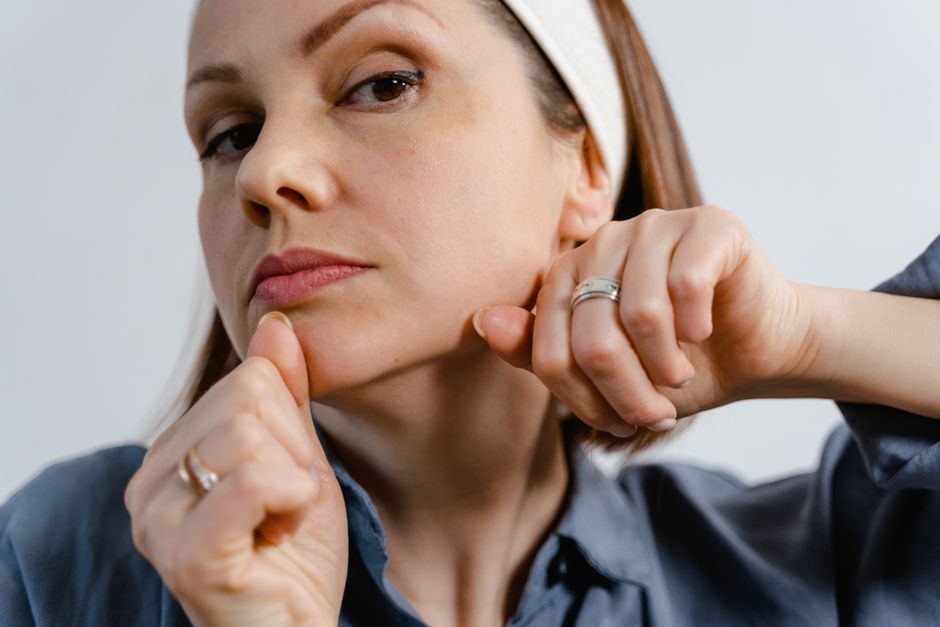
Skin picking is not a bad habit or a sign of weak willpower. It is a body-focused repetitive behavior (BFRB) that affects roughly 1 in 20 people at some point in their lives. The urge can feel overwhelming, but research shows that most people can reduce or stop skin picking with the right combination of behavioral strategies, environmental changes, and sometimes professional support. The key is understanding what drives your picking and targeting that specific trigger rather than trying to white-knuckle your way through it.
What Causes Skin Picking in the First Place?
Skin picking, clinically called excoriation disorder or dermatillomania, is not about being vain or unable to stop a simple habit. The American Psychiatric Association classifies it as a mental health condition in the DSM-5. It sits in the same family as obsessive-compulsive disorder and trichotillomania (hair pulling).
Most people who pick their skin report doing it in response to specific emotional states. Stress and anxiety are the most common triggers. Boredom is another major one. Some people pick when they feel a bump or imperfection on their skin and cannot tolerate the sensation. Others pick when they feel a specific negative emotion like frustration or disappointment.
There is also a neurological component. Brain imaging studies suggest that people who pick may have differences in how their brain processes sensory input and motor impulses. The act of picking releases a small amount of dopamine, which can feel temporarily rewarding. This creates a cycle where you pick to relieve tension, feel a brief sense of satisfaction, and then feel shame or regret, which builds more tension and drives the next picking episode.
Importantly, picking is not about self-harm for most people. The goal is usually to “fix” or “smooth” the skin. The problem is that picking almost always makes the skin worse, not better.
What Does Research Say About How To Stop Skin Picking?
The strongest evidence supports a form of therapy called Habit Reversal Training (HRT). HRT was developed in the 1970s and has been studied extensively for BFRBs. The core idea is simple but effective: you learn to recognize the moment you are about to pick and replace it with a different physical action that makes picking impossible.
Research published in the Journal of Consulting and Clinical Psychology found that HRT significantly reduces skin picking in about 60 to 70 percent of people who complete a full course of treatment. The key components of HRT include awareness training, competing response training, and social support.
Awareness training means you track every picking episode for a week. You note the time, place, emotional state, and what you were doing right before. Most people are shocked to discover how often they pick without realizing it. The competing response is a simple physical action you do instead of picking. For example, making a gentle fist with both hands for one minute or pressing your palms flat on your thighs. The action must physically prevent your fingers from touching your face or skin.
Cognitive Behavioral Therapy (CBT) also has solid evidence. CBT helps you identify the distorted thoughts that drive picking, such as “I must get this bump off my skin right now” or “If I don’t pick, it will get worse.” Replacing those thoughts with more realistic ones reduces the urge over time.
What Practical Steps Can You Take Today?
Start with the environment. If you pick mostly in the bathroom, keep the lights dim or cover the mirror. If you pick while watching TV, wear gloves or keep your hands busy with a fidget object. These are not silly suggestions. Research shows that environmental barriers can cut picking frequency by half in the first week for some people.
Create a physical barrier between your fingers and your skin. Some people use hydrocolloid bandages on spots they want to pick. These bandages stick on for days, protect the skin, and let it heal. Others use liquid bandage or even simple medical tape on problem areas. The goal is to make picking physically harder without requiring constant willpower.
Use the competing response from HRT. When you feel the urge to pick, stop what you are doing and perform your competing response for 60 to 90 seconds. Time it. The urge usually peaks and starts to fade within that window. If you wait it out, the urge weakens. If you pick immediately, the urge gets stronger over time.
Track your progress. Use a simple notebook or an app designed for BFRB tracking. The most effective trackers record not just when you picked but what you were doing and feeling. Patterns will emerge. You might discover that you pick most often after work, or when you are scrolling social media, or when you are reading in bed. Once you know the pattern, you can target it directly.




How Do Medications Fit Into Treatment?
Medication is not the first-line treatment for skin picking, but it can help some people. The best-studied medications are selective serotonin reuptake inhibitors (SSRIs), which are also used for OCD. A review in the journal CNS Drugs found that SSRIs like fluoxetine (Prozac) and sertraline (Zoloft) reduce picking symptoms in about 40 to 50 percent of people, though the effect is often modest.
N-acetylcysteine (NAC), an over-the-counter amino acid supplement, has shown promise in several small studies. Research in the Journal of Clinical Psychopharmacology found that NAC reduced picking symptoms in about 50 percent of participants compared to placebo. The typical dose is 1200 to 2400 mg per day, but you should talk to a doctor before starting any supplement. NAC can interact with other medications and has its own side effects.
There is no medication approved specifically for skin picking by the FDA. Every medication option is used off-label. This does not mean it is unsafe, but it means you should work with a psychiatrist who understands BFRBs specifically, not just a general practitioner who prescribes SSRIs for anxiety.
| Treatment Approach | Evidence Level | Typical Success Rate |
|---|---|---|
| Habit Reversal Training | Strong (multiple clinical trials) | 60-70% reduction |
| Cognitive Behavioral Therapy | Strong | 50-65% reduction |
| SSRI medication | Moderate | 40-50% reduction |
| N-acetylcysteine supplement | Moderate (smaller studies) | ~50% reduction |
| Self-help / environmental changes | Limited but practical | Varies widely |
What Should You Avoid When Trying To Stop Picking?
Avoid shame-based approaches. Telling yourself you are weak or disgusting for picking does not help. In fact, it makes the cycle worse. Shame increases emotional distress, which increases the urge to pick as a coping mechanism. The research is very clear on this point. Self-compassion is not soft advice. It is a practical strategy that reduces the intensity of the urge.
Avoid trying to stop cold turkey without any replacement behavior. Willpower alone rarely works for BFRBs because the behavior is driven by neurological and emotional factors, not simple choice. If you just tell yourself to stop without giving your hands something else to do, you will likely last a few hours or days and then pick more intensely when you finally give in.
Avoid aggressive skincare routines that create more imperfections. Exfoliating too hard, using harsh acne treatments, or picking at dry skin can create new bumps and scabs that trigger more picking. The goal is to reduce the number of sensory triggers on your skin. Gentle cleansing, moisturizing, and letting existing marks heal without interference is more effective than trying to “fix” every imperfection.
Do not assume this is just a teenage problem that you will grow out of. Excoriation disorder can start at any age, and many adults struggle with it for decades without knowing help exists. If you have been picking for years, you are not beyond help. The same behavioral strategies work regardless of how long you have been picking.
How To Stop Skin Picking When Nothing Else Has Worked
If you have tried self-help strategies and still cannot stop, it is time to see a specialist. Look for a therapist who specifically treats BFRBs. General therapists may not know about Habit Reversal Training or may dismiss skin picking as a minor issue. The TLC Foundation for BFRBs maintains a directory of trained professionals, though you can also ask a therapist directly if they have experience with HRT.
Some people benefit from a combination of therapy and medication. Others find support groups helpful, either in person or online. Hearing other people describe the same urges and frustrations can reduce the isolation that often accompanies picking. It also gives you practical ideas that you might not have thought of on your own.
For severe cases that have not responded to other treatments, some clinicians use Acceptance and Commitment Therapy (ACT). ACT teaches you to accept the urge to pick without acting on it. You learn to observe the urge as a passing sensation rather than a command you must obey. Early research on ACT for BFRBs is promising, though the evidence base is smaller than for HRT and CBT.
One non-obvious insight from the research is that picking often gets worse before it gets better. When you first start using competing responses or tracking your behavior, you may feel more aware of the urge and pick more in the first few days. This is normal. It does not mean the strategy is failing. It means your brain is learning to notice what it previously did on autopilot. Stick with it for at least three weeks before deciding whether it works for you.
Frequently Asked Questions
Is skin picking a mental illness?
Yes, when it is severe enough to cause distress or damage, it is classified as excoriation disorder in the DSM-5. It is a recognized mental health condition, not a bad habit.
Can you stop skin picking on your own?
Some people can reduce picking with self-help strategies like habit reversal training and environmental changes. Many people benefit from professional support, especially if picking has been happening for years.
What vitamin deficiency causes skin picking?
There is no strong evidence linking any specific vitamin deficiency to skin picking. Some small studies have looked at iron and zinc, but the results are not conclusive enough to recommend supplementation for picking.
Does NAC really help with skin picking?
Several small studies suggest N-acetylcysteine can reduce picking symptoms in about half of people who try it. It is not a cure, and it works best when combined with behavioral strategies.
