
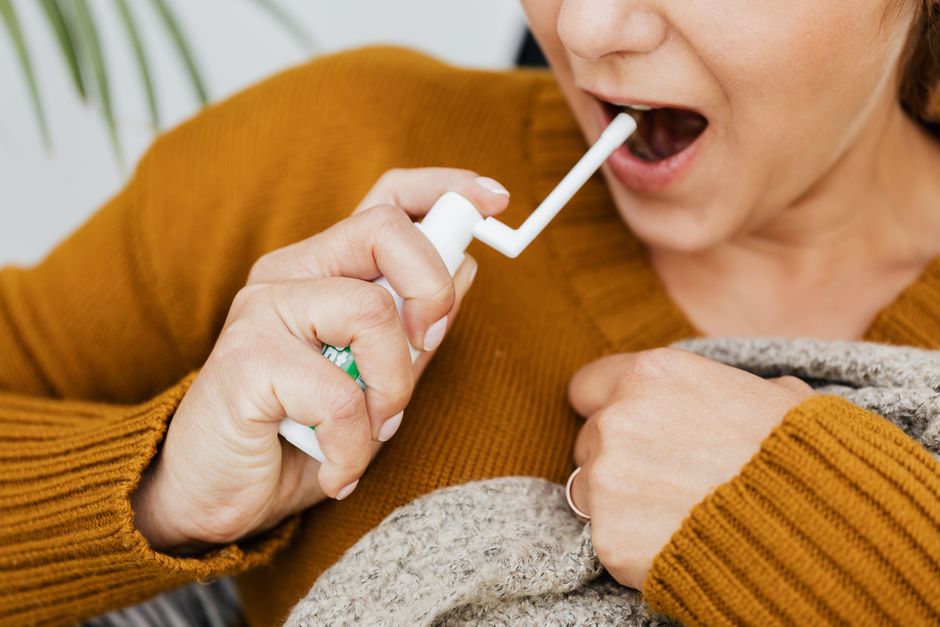
A dry throat is your body telling you something. The lining of your throat has stopped getting the moisture it needs to feel normal. That can happen for boring reasons like breathing through your mouth while you sleep, or for medical reasons like acid reflux, allergies, or a medication side effect. The fix depends entirely on which one is causing it.
Most people reach for water first, and sometimes that works. But when a dry throat keeps coming back day after day, drinking more water usually does not solve it. That is the clue that the cause is something other than simple thirst.
What Does a Dry Throat Actually Mean?
A dry throat means the mucous membranes lining your pharynx and larynx are not staying moist. Those membranes are supposed to stay coated with a thin layer of mucus and saliva. When that coating thins out, nerve endings in the throat get irritated, and you feel the dry, scratchy, raw sensation.
Saliva does more than keep things wet. It contains enzymes that start breaking down food, and it carries antibodies and proteins that help control bacteria in the mouth and throat. When saliva production drops, the throat becomes more vulnerable to irritation and infection.
Your throat can also feel dry when it is actually moist. Nerve irritation from reflux, allergies, or a viral infection can create the same sensation even when the tissue looks normal. That is why the feeling alone does not always tell you what is going on.
Why Does Your Throat Feel Dry When You Wake Up?
Morning dryness is the most common pattern, and mouth breathing is usually the reason. When you sleep with your mouth open, air passes over the throat all night without being humidified by the nose. By morning, the tissue is dried out.
Several things push people toward mouth breathing during sleep:
- A blocked nose from allergies, a cold, or a deviated septum
- Sleeping on your back, which can narrow the airway
- Alcohol in the evening, which relaxes the muscles that keep the airway open
- Sedative medications, which have a similar relaxing effect
- Sleep apnea, where breathing repeatedly stops and restarts during sleep
Snoring and morning dry throat often travel together. If you wake up with a dry mouth, a headache, or feel unrefreshed no matter how long you slept, sleep apnea is worth discussing with a doctor. It is a real medical condition, not just loud sleeping, and it has effects on heart health and daytime function.
What Medical Conditions Cause a Dry Throat?
When dryness is persistent rather than occasional, a handful of conditions become more likely. These are the ones doctors look at first.
Acid reflux. Stomach acid that moves up into the throat irritates the tissue and can cause a dry, scratchy feeling, especially in the morning or after meals. This is sometimes called laryngopharyngeal reflux. Many people with it do not feel classic heartburn at all, which is why it gets missed.
Allergies. Allergic rhinitis causes nasal congestion and postnasal drip. The congestion pushes you toward mouth breathing, and the drip irritates the throat directly. Both effects can produce dryness.
Viral infections. A cold, flu, or COVID-19 can dry and irritate the throat, often as one of the earliest symptoms. Dryness typically improves as the infection clears.
Sjögren’s syndrome. This is an autoimmune condition where the body’s immune system attacks moisture-producing glands. It causes dry eyes and dry mouth, and a dry throat often comes with it. It is far less common than the causes above, but it is a real diagnosis that is sometimes missed for years.
Diabetes. High blood sugar causes the body to lose fluid through urination, which can lead to dehydration and dry mouth. Dry throat can be an early sign in people who do not yet know they have diabetes.
Thyroid conditions. An enlarged thyroid can press on the throat and cause a sensation of dryness or tightness, though this is less common than the other causes.





Can Medications Cause a Dry Throat?
Yes, and this is one of the most overlooked causes. Dry mouth and dry throat are listed side effects for a long list of common medications. The mechanism is usually reduced saliva production.
Medication classes commonly linked to dry mouth include:
- Antihistamines, including many over-the-counter allergy medicines
- Decongestants
- Antidepressants, particularly older classes
- Blood pressure medications, including diuretics
- Muscle relaxants
- Medications for urinary incontinence
- Some pain medications
If dryness started or got worse after you began a new medication, that timing matters. Do not stop a prescribed medication on your own. Talk to your prescriber or pharmacist about whether the medication could be involved and what options exist.
When Is a Dry Throat a Sign of Something More Serious?
Most dry throat is not dangerous. Certain patterns, though, deserve a medical evaluation rather than home remedies.
See a doctor if you have:
- A dry throat that lasts more than two weeks without an obvious cause
- Difficulty swallowing or a feeling that food gets stuck
- Hoarseness that does not go away
- A lump in the neck or throat
- Unexplained weight loss alongside throat symptoms
- Blood in your saliva or coughed up
- Severe pain when swallowing
- Trouble breathing
These symptoms do not automatically mean cancer or another serious disease. They mean the cause needs to be identified rather than assumed. Persistent hoarseness and difficulty swallowing are the two that doctors take most seriously because they can point to problems in the larynx or esophagus.
What Actually Helps a Dry Throat?
What helps depends on the cause. Treating the cause works. Treating the symptom alone usually gives temporary relief at best.
For dryness caused by mouth breathing or dry air:
- Use a humidifier in the bedroom, especially in winter or dry climates
- Try nasal breathing during the day and address nasal congestion
- Sip water regularly rather than drinking large amounts at once
- Avoid alcohol and caffeine close to bedtime, since both increase fluid loss
For dryness from allergies, treating the allergy is the real fix. For reflux-related dryness, avoiding meals within a few hours of bedtime and reducing trigger foods helps some people, though evidence for dietary changes in reflux is mixed. Medications that reduce stomach acid are commonly prescribed, and they work for many people, though they are not without their own considerations.
Sugar-free gum or lozenges can stimulate saliva flow. So can staying well hydrated throughout the day. These are supportive measures, not treatments for an underlying condition.
One thing worth knowing: dry mouth from reduced saliva is different from a dry throat caused by irritation. If your mouth itself feels dry, tacky, or you have trouble swallowing dry food, that points toward a saliva production problem, which has a different set of causes and treatments than throat irritation alone.
Does Drinking More Water Fix a Dry Throat?
Sometimes, but less often than people expect. If you are genuinely dehydrated, water helps. If you are well hydrated and your throat still feels dry, more water will not fix it.
Dehydration does cause dry throat, and it is common in hot weather, during illness with fever or vomiting, and in older adults, who naturally have a reduced sense of thirst. In those cases, fluids matter.
But for most people with persistent dry throat, the problem is not total body water. It is local: air passing over the throat, acid irritating it, medication reducing saliva, or an underlying condition. Drinking water may ease the sensation briefly without addressing why it keeps coming back.
Why Does Dry Throat Get Worse in Winter?
Cold air holds less moisture than warm air, and indoor heating dries it out further. Winter is when dry throat complaints peak for that reason.
Heated indoor air can drop humidity to levels well below what your throat needs to stay comfortable. Running a humidifier and keeping indoor humidity in a moderate range helps many people. Drinking warm liquids can also soothe the throat, though the effect is temporary.
Winter is also cold and flu season, and viral infections add their own dryness on top of the environmental effect.
Frequently Asked Questions
Why does my throat feel dry even when I drink water?
If you are well hydrated and your throat still feels dry, the cause is usually local rather than total body fluid. Common reasons include mouth breathing, acid reflux, allergies, or a medication that reduces saliva production.
Can a dry throat be a sign of diabetes?
Yes, it can be. High blood sugar causes fluid loss through urination, which can lead to dehydration and a dry mouth and throat, sometimes before diabetes is diagnosed.
What causes a dry throat every morning?
Mouth breathing during sleep is the most common cause. A blocked nose, sleeping on your back, alcohol in the evening, and sleep apnea all push people toward mouth breathing at night.
When should I see a doctor about a dry throat?
See a doctor if the dryness lasts more than two weeks without a clear cause, or if it comes with difficulty swallowing, persistent hoarseness, a lump in the neck, or unexplained weight loss.
