
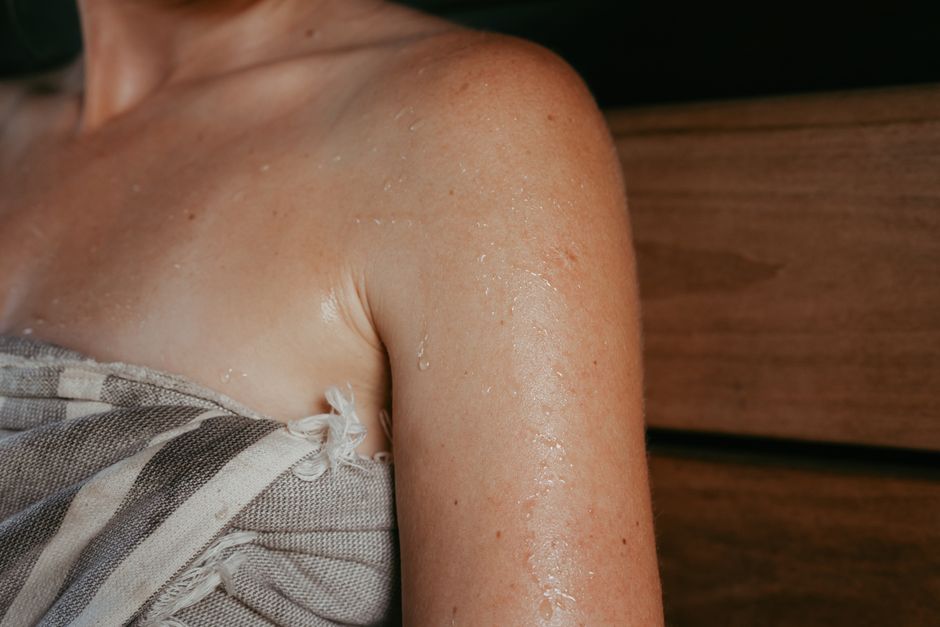
Sweating with a cold is your body’s way of lowering its core temperature after a fever breaks. Your brain resets your internal thermostat to fight the virus, and when that set point drops, your body releases heat through sweat. It is a normal sign that your immune system is working, even though it can feel uncomfortable and drenching.
Why does a cold cause sweating in the first place?
A cold virus triggers your immune system to release chemicals called pyrogens. These chemicals travel to your brain and tell your hypothalamus — the body’s thermostat — to raise your internal temperature. That is the fever.
When the fever breaks, your hypothalamus resets back to normal. Your body now thinks it is too hot. To cool down, your blood vessels widen and your sweat glands kick into high gear. The sweat evaporates off your skin and pulls heat away from your body. That is why you wake up soaked after a night of fever and chills.
Sweating itself does not fight the virus. It is purely a cooling mechanism. The immune system did its job by raising the temperature; sweating is just the cleanup crew.
Is sweating a good sign during a cold?
In most cases, yes. Sweating usually means your fever is breaking. It signals that your body is moving from the heating phase back to a normal temperature. Many people feel a sense of relief once the sweating starts because the worst of the feverish chills are over.
But sweating is not a cure. It does not shorten the cold. It does not flush out toxins — that is a common myth. Your liver and kidneys handle toxins, not your sweat glands. Sweating is simply temperature regulation.
One important distinction: sweating with a cold that resolves is different from drenching night sweats that persist for weeks. If you have soaking night sweats that continue after your cold symptoms are gone, that warrants a conversation with a doctor. Persistent night sweats can be a sign of other conditions that have nothing to do with a cold.
Why do some people sweat more than others with the same cold?
Several factors influence how much you sweat during an illness. Your baseline body temperature matters — people who normally run warmer may sweat more. Your hydration status plays a role too. If you are well-hydrated, your body has more fluid available to produce sweat.
Medications are a major factor. Many over-the-counter cold medicines contain antipyretics like acetaminophen or ibuprofen. These drugs lower your fever artificially. When the medication wears off, your temperature can spike again, and the cycle of chills and sweating repeats. This on-and-off pattern can make sweating feel more dramatic than it otherwise would.
Your body composition and fitness level also matter. People with more muscle mass tend to generate more metabolic heat. People who are physically fit often start sweating at a lower temperature threshold because their thermoregulation is more efficient. None of this means one person’s cold is worse — it just means their cooling system responds differently.


How much sweat is too much during a cold?
There is no specific medical threshold that defines “too much” sweating during a cold. The amount varies widely from person to person. What matters more is what the sweating does to your fluid balance.
Heavy sweating can lead to dehydration. When you sweat, you lose water and electrolytes — mainly sodium and potassium. If you are already not drinking enough because your throat hurts or you feel too tired to get up, dehydration can set in quickly.
Look for these signs of dehydration:
- Dark yellow or amber urine
- Dry mouth and lips
- Dizziness when standing up
- Headache that feels different from your cold symptoms
- Muscle cramps
If you are sweating heavily and notice these signs, drink fluids. Water is fine for most people. If you have been sweating for hours, a sports drink or oral rehydration solution can replace lost electrolytes. Avoid alcohol and heavy caffeine, both of which can dehydrate you further.
Why Am I Sweating So Much With A Cold if I don’t have a fever?
You can sweat during a cold without ever registering a fever. Some people have low-grade temperature elevations that stay under 100.4°F (38°C) — the clinical cutoff for a fever — but still trigger a sweating response. Your hypothalamus does not need to hit the official fever threshold to initiate cooling.
Another reason: your body is working hard. Fighting an infection raises your metabolic rate. Even without a fever, your cells are burning more energy, which generates heat. Your body sweats to get rid of that excess heat.
Anxiety can also cause sweating during illness. Feeling miserable, worrying about work you are missing, or just being uncomfortable can activate your sympathetic nervous system. That triggers sweat glands, especially on your palms, soles, and forehead. This type of sweating is not related to temperature at all — it is a stress response.
What should you do when cold sweating is uncomfortable?
The most important step is to let your body do its job. Do not bundle up in heavy blankets while you are sweating. That traps heat and can make you sweat more. Use light layers that you can remove or add as your temperature fluctuates.
Change your clothes when they become damp. Sitting in wet clothing makes you colder once the sweating stops, and it can irritate your skin. Keep a dry set of pajamas by your bed if you are sweating at night.
Keep your room at a comfortable temperature — usually between 68°F and 72°F (20°C to 22°C). Use a fan if that helps. The goal is to help your body cool without making you shiver. Shivering generates more heat, which can restart the sweating cycle.
Stay hydrated even if you do not feel thirsty. Set a glass of water on your nightstand and take small sips throughout the night. If you are sweating during the day, drink regularly rather than waiting until you feel parched.
When should you see a doctor for sweating with a cold?
Most cold-related sweating resolves within a few days as the infection runs its course. But certain symptoms warrant medical attention.
See a doctor if you experience any of the following:
- Fever above 103°F (39.4°C) that does not respond to fever-reducing medication
- Fever lasting more than five days
- Difficulty breathing or shortness of breath
- Chest pain or pressure
- Confusion or difficulty waking up
- Signs of severe dehydration despite drinking fluids
- Night sweats that continue for more than two weeks after other symptoms resolve
These symptoms can indicate that a secondary infection has developed — such as bronchitis or pneumonia — or that something other than a cold is going on. Sweating alone is rarely the reason to see a doctor. But sweating combined with these red flags should not be ignored.
Does sweating help you get over a cold faster?
No. This is an old folk belief that has been tested and not supported. The idea was that sweating “sweats out” the virus or somehow speeds up recovery. It does not.
Some research suggests that raising your body temperature can help certain immune cells work more efficiently. That is the rationale behind fevers. But that benefit comes from the fever itself, not from the sweating. Sweating is the cooling phase, not the fighting phase.
Deliberately trying to sweat more — through heavy exercise, saunas, or excessive blankets — does not shorten a cold. In fact, intense exercise while you are sick can stress your body and potentially prolong recovery. Gentle activity is fine if you feel up to it, but there is no evidence that pushing yourself to sweat will help you heal faster.
Frequently Asked Questions
Is sweating a sign that my cold is ending?
Often, yes. Sweating typically means your fever is breaking, which usually signals that your immune system is gaining the upper hand. It does not guarantee the cold is over, but it is a positive sign in most cases.
Should I take a cold shower when I am sweating from a cold?
No. A cold shower can cause shivering, which generates heat and may make you sweat more afterward. Use a lukewarm cloth or a fan instead to help cool down gradually.
Can I go to work if I am sweating from a cold?
You should stay home while you have a fever or are actively sweating, because you are likely still contagious. Sweating itself is not dangerous, but you can spread the virus to others for several days after symptoms start.
Why do I sweat at night but not during the day with my cold?
Your body’s temperature regulation follows a daily rhythm, and your core temperature naturally drops during sleep. That drop, combined with your illness-related temperature fluctuations, can trigger heavier sweating at night. Medications you take before bed can also contribute.
