
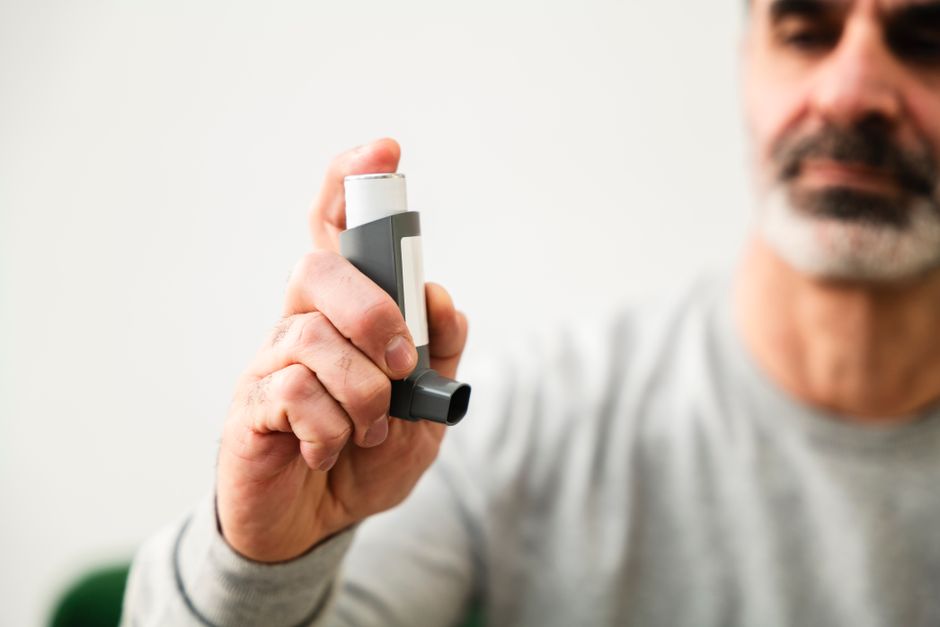
An asthma attack happens when the airways in your lungs narrow, swell, and produce extra mucus. This makes it hard to move air in and out, causing symptoms like wheezing, coughing, chest tightness, and shortness of breath. The process is not random; it involves three distinct changes inside your airways that happen together, and understanding them helps explain why an attack feels the way it does.
What Happens Inside Your Lungs During an Attack?
Your airways are tubes that carry air from your nose and mouth into your lungs. In a healthy lung, these tubes are open and relaxed. During an asthma attack, three things happen at once.
First, the muscle layer around the airway tightens. This is called bronchoconstriction. It narrows the tube quickly, often within minutes. Second, the lining of the airway becomes inflamed and swollen. This swelling narrows the space even more. Third, the cells in the airway produce more mucus than normal. This thick, sticky mucus can clog the already narrow passages.
These three changes together reduce the amount of air that can pass through. You have to work harder to breathe, and the air moving through the narrowed tubes creates the whistling sound known as wheezing. The chest tightness you feel is the sensation of those muscles squeezing and the air struggling to move.
Why Does an Asthma Attack Happen?
An asthma attack is triggered by something your airways are sensitive to. Common triggers include allergens like pollen, dust mites, and pet dander. Other triggers are not allergic at all, such as cold air, exercise, smoke, strong odors, or a respiratory infection like a cold or flu.
When you breathe in a trigger, your immune system reacts as if the substance is a threat. It releases chemicals, including histamine and leukotrienes. These chemicals instruct the airway muscles to contract and the blood vessels to leak fluid into the surrounding tissue, causing swelling. This is an inflammatory response, and in a person with asthma, that response is exaggerated.
Not every attack looks the same. Some people get a slow buildup of symptoms over hours or days. Others feel the airways tighten within seconds of exposure. Knowing your personal triggers is one of the most practical ways to reduce the frequency of attacks.
What Does an Asthma Attack Feel Like?
People describe an attack as feeling like breathing through a straw or having a heavy weight on their chest. You may feel like you cannot get a full breath in, or that you cannot push the air out. Coughing is common, especially at night or in the early morning. Some people produce a lot of mucus, while others have a dry cough.
Anxiety often comes with these symptoms. Feeling short of breath is frightening, and the fear can make you breathe faster and shallower, which makes the attack feel worse. This is a normal response, but it can create a cycle where panic worsens the physical symptoms. Recognizing this cycle can help you stay calmer and use your rescue inhaler properly.
In a severe attack, speaking becomes difficult. You may only be able to say short phrases before needing to pause for air. Your lips or fingernails may turn bluish, which is a sign of very low oxygen and requires emergency medical care immediately.





How Long Does an Asthma Attack Last?
An attack can last anywhere from a few minutes to several days. It depends on the cause, how severe the inflammation is, and how quickly treatment starts. A mild attack triggered by exercise may resolve within minutes after you stop and rest. An attack triggered by a viral infection or a strong allergen can last much longer, sometimes requiring daily controller medication for weeks to fully settle.
Quick-relief medications, known as rescue inhalers, work by relaxing the airway muscles. They usually start working within minutes. However, they do not reduce the swelling or mucus production. That is why a short attack can resolve quickly, but the underlying inflammation may still be present. If the inflammation is not treated, symptoms can return within hours.
It is a common misconception that an attack is over when you stop wheezing. Wheezing can disappear because airflow is so limited that no sound is produced. The absence of wheezing is not always a sign of improvement. If you still feel short of breath or tight in the chest, the attack is not over.
When Is an Asthma Attack a Medical Emergency?
Some attacks are mild and respond well to a rescue inhaler. Others are severe and require emergency care. You should seek immediate medical help if your rescue inhaler is not providing relief, if you cannot speak in full sentences, or if your symptoms keep getting worse despite treatment.
Other warning signs include severe chest pressure, a bluish tint to your lips or face, or feeling confused or drowsy. These signs indicate that your oxygen levels are dropping and your body is struggling to compensate. Do not wait to see if the symptoms pass. Call emergency services or have someone take you to an emergency room.
If you have been prescribed an asthma action plan, follow it. These plans typically state exactly when to use your rescue inhaler and when to seek emergency care. If you do not have a written plan, ask your doctor to create one. It is a practical tool that removes guesswork during a stressful situation.
Can You Prevent an Asthma Attack?
Prevention focuses on two main strategies: avoiding triggers and using controller medications as prescribed. Controller medications, such as inhaled corticosteroids, work over time to reduce airway inflammation. They do not provide immediate relief, but they make attacks less likely and less severe.
Taking controller medication every day, even when you feel well, is the single most effective way to prevent attacks. Many people stop using them because they feel fine, but the inflammation is still present. Stopping controller medication without medical advice is a common reason for sudden, severe attacks.
Trigger avoidance is the other half of prevention. This can mean using allergen-proof covers on pillows and mattresses, keeping windows closed during high pollen seasons, or wearing a scarf over your mouth in cold weather. For exercise-induced asthma, warming up properly and using a rescue inhaler before activity can help. Your doctor can give you specific advice based on your triggers.
It is also important to note that respiratory infections, including the flu and COVID-19, can trigger severe attacks. Staying up to date on recommended vaccinations is a reasonable part of asthma management for many people. Discuss this with your healthcare provider, as individual circumstances vary.
What Happens If an Asthma Attack Is Left Untreated?
An untreated attack does not simply go away on its own. The inflammation and mucus production tend to get worse over time. As the airways narrow further, the work of breathing increases. Your body uses more energy just to move air, which can lead to exhaustion.
Eventually, the airways can become so narrow that not enough oxygen reaches your vital organs. This is a life-threatening condition called status asthmaticus, which is a severe asthma attack that does not respond to usual rescue treatment. It requires emergency medical care, often including oxygen therapy, intensive medication, and sometimes mechanical ventilation.
Even milder untreated attacks take a toll. Repeated attacks can cause permanent changes to the airway walls, a process called airway remodeling. This can lead to a gradual loss of lung function over time. Treating attacks promptly and controlling inflammation daily is not just about comfort; it is about protecting long-term lung health.
How Do Doctors Confirm an Asthma Attack?
Doctors use a combination of symptoms and lung function tests to confirm an attack. The most common test is spirometry, which measures how much air you can exhale and how fast. During an attack, these numbers are lower than your personal best.
Another simple test is a peak flow meter. This handheld device measures how quickly you can blow air out. Many people with asthma use one at home to track their lung function. A drop in your personal best peak flow number can be an early warning sign of an attack, sometimes before symptoms are noticeable.
If your numbers improve after using a rescue inhaler, that strongly suggests the problem is reversible airway narrowing, which is characteristic of asthma. Your doctor may also check your oxygen levels with a pulse oximeter. In severe attacks, a chest X-ray may be ordered to rule out other causes of breathing difficulty, such as pneumonia.
Frequently Asked Questions
Can you die from an asthma attack?
Yes, severe asthma attacks can be fatal if not treated promptly. Most asthma deaths are preventable with proper daily management and quick access to emergency care.
Does drinking water help an asthma attack?
Staying hydrated is generally good for health, but there is no evidence that drinking water stops an asthma attack. Use your rescue inhaler as prescribed and seek emergency care if symptoms are severe.
Can anxiety trigger an asthma attack?
Stress and strong emotions can trigger hyperventilation and airway changes that provoke symptoms in some people with asthma. It is a recognized trigger, though it is not the cause of asthma itself.
Is wheezing always present during an asthma attack?
No. Some people have a cough as their main symptom, and in very severe attacks, wheezing may disappear because airflow is too limited to produce sound.
