
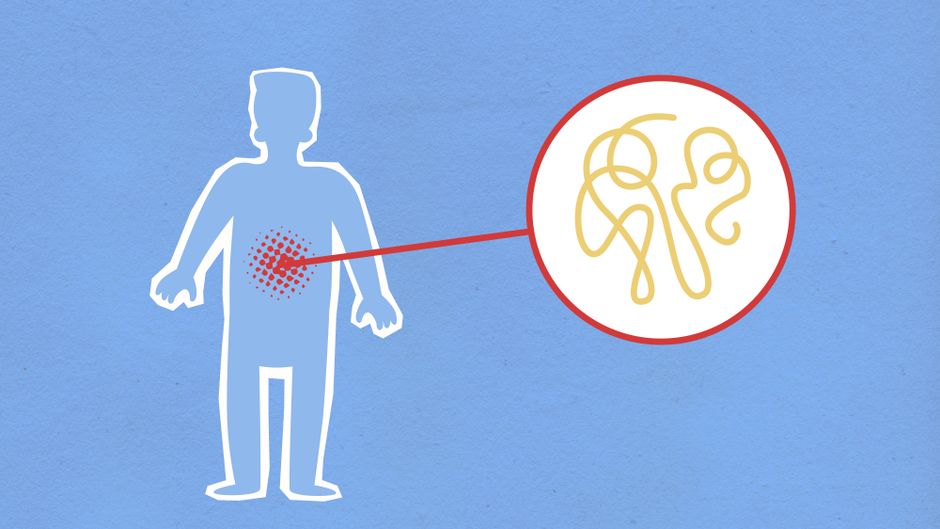
That uneasy feeling in your stomach — whether it’s a gurgle, a cramp, a wave of nausea, or just a sense that something is off — is one of the most common reasons people see a doctor. The causes range from completely harmless to genuinely serious, and the key is knowing the difference. Most of the time, a weird stomach feeling comes from everyday factors like what you ate, how much stress you are under, or a passing virus. But sometimes, that same feeling points to a condition that needs medical attention.
Why Does Your Stomach Feel Weird? Causes Linked to Digestion
Your digestive tract is a long, muscular tube that runs from your mouth to your rectum. When it works smoothly, you barely notice it. When something disrupts that rhythm — gas, inflammation, or irritation — you feel it immediately.
Gas is the most common culprit. Swallowed air and the natural byproducts of digestion build up in the intestines. That buildup stretches the intestinal walls, which your brain reads as pressure, bloating, or sharp pain. If you recently ate a large meal, drank carbonated beverages, or chewed gum, gas is likely the explanation.
Food moves through the system on a schedule controlled by muscle contractions called peristalsis. When those contractions speed up, food passes too quickly and water is not absorbed properly, leading to loose stools. When they slow down, food sits longer, and constipation follows. Both extremes produce that “weird” feeling of fullness, cramping, or urgency.
Another digestive cause is irritation of the stomach lining, known as gastritis. This can happen after taking certain pain relievers like ibuprofen or aspirin, drinking excess alcohol, or as a result of an infection. The hallmark signs are a burning sensation in the upper belly, nausea, and feeling full quickly after eating only a small amount.
What Are the Most Common Everyday Causes?
Before assuming something serious, consider the most frequent triggers. These account for the majority of odd stomach sensations.
- Dietary choices: High-fat meals slow stomach emptying, which causes fullness and nausea. Spicy foods can irritate the stomach lining. Artificial sweeteners and sugar alcohols pull water into the intestines, causing cramping and diarrhea.
- Dairy products: If you lack the enzyme lactase, undigested lactose ferments in the colon. That fermentation produces gas, bloating, and diarrhea within 30 minutes to two hours after eating.
- Stress and anxiety: The gut and brain are connected through the vagus nerve. Stress changes gut motility, increases acid production, and makes you more sensitive to normal sensations. Many people feel nauseous or get cramps during anxious periods.
- Viral gastroenteritis: Often called the stomach flu, this is an infection of the intestines. It causes nausea, vomiting, diarrhea, and cramping that typically resolves within one to three days.
- Premenstrual changes: Hormonal shifts during the menstrual cycle affect gut motility. Many women experience bloating, constipation, or diarrhea in the days before their period starts.
These causes are temporary. If the feeling passes within a day or two and you return to normal, no medical evaluation is needed.
When Is It Irritable Bowel Syndrome?
Irritable bowel syndrome (IBS) is a chronic condition that affects how the brain and gut communicate. It is not a structural disease — the intestines look normal on imaging — but the system functions abnormally.
The main features of IBS are recurring abdominal pain linked to bowel movements, plus a change in stool frequency or form. Some people with IBS have diarrhea, some have constipation, and some alternate between both. Bloating and mucus in the stool are also common.
Doctors diagnose IBS based on symptoms that have been present for at least six months, with pain occurring at least once per week in the last three months. The pain typically improves after a bowel movement. If your weird stomach feeling follows this pattern — recurring, tied to your bowel habits, and without alarming features — IBS is a possibility worth discussing with your doctor.
IBS is a diagnosis of exclusion. That means doctors usually run tests to rule out other conditions first. Celiac disease, inflammatory bowel disease, and infections can all mimic IBS symptoms and must be ruled out before settling on this diagnosis.





What Are the Signs of a More Serious Condition?
Some stomach sensations are warning signs. You need to know when a weird feeling is actually an emergency.
Severe pain that comes on suddenly and does not let up can indicate a blockage, a perforation, or an inflamed organ like the appendix or gallbladder. Pain that radiates to your back, chest, or shoulder blade is also concerning because it can signal a problem with the pancreas, gallbladder, or even the heart.
Blood in your stool — whether bright red or black and tarry — always requires evaluation. Black stools suggest bleeding in the upper digestive tract. Bright red blood suggests bleeding lower down. Neither should be ignored.
Unexplained weight loss, persistent vomiting, difficulty swallowing, or a feeling of fullness that comes on quickly after eating small amounts are all red flags. Fevers that accompany stomach pain may indicate an infection that needs treatment.
If you experience any of these symptoms, seek medical attention promptly. Do not wait to see if they pass.
How Does Food Intolerance Differ From a Food Allergy?
Food intolerances and allergies are frequently confused, but they are different conditions with different mechanisms.
A food allergy is an immune system response. The body mistakes a protein in food for a threat and releases histamine and other chemicals. Symptoms can include hives, swelling, vomiting, and in severe cases, difficulty breathing. Even tiny amounts of the offending food can trigger a reaction. Food allergies can be life-threatening.
A food intolerance is a digestive problem. The body cannot properly break down a specific component of food. Lactose intolerance is a classic example — the body lacks the enzyme to digest milk sugar. Other intolerances involve difficulty absorbing certain carbohydrates, known as FODMAPs, which ferment in the colon and cause gas, bloating, and diarrhea.
Intolerances are not dangerous in the way allergies are. They cause discomfort but not anaphylaxis. However, they can significantly affect quality of life. If you suspect a specific food is causing your symptoms, keeping a food diary can help you identify patterns. An elimination diet under medical supervision is the standard way to confirm a trigger.
What Role Does the Gut Microbiome Play?
The gut microbiome is the collection of trillions of bacteria, viruses, and fungi that live in your intestines. These microorganisms help digest food, produce vitamins, and train your immune system.
Research consistently shows that people with digestive complaints often have a different balance of gut bacteria compared to people without symptoms. Some studies suggest that a less diverse microbiome is associated with IBS and other functional gut disorders.
However, the evidence linking specific probiotic supplements to symptom relief is mixed. Some probiotic strains show benefit for certain conditions, particularly antibiotic-associated diarrhea and some cases of IBS. But no single probiotic works for everyone, and the research does not support the idea that a “gut reset” or aggressive supplement regimen will cure digestive problems.
What the evidence does support is the importance of dietary fiber. Fiber feeds beneficial gut bacteria and promotes regular bowel movements. A gradual increase in fiber from fruits, vegetables, legumes, and whole grains is one of the most reliable dietary changes for improving gut health.
Why Does Stress Cause Stomach Problems?
The gut-brain axis is a bidirectional communication system. Your brain sends signals to your gut, and your gut sends signals back to your brain. This is why stress can cause stomach symptoms and why stomach symptoms can cause anxiety.
When you experience stress, your body activates the sympathetic nervous system — the fight-or-flight response. This slows digestion because the body prioritizes blood flow to muscles over the digestive organs. The result can be nausea, stomach cramps, or a sudden urge to use the bathroom.
Chronic stress is different. Long-term stress can alter gut motility, increase intestinal permeability (sometimes called “leaky gut” in popular media), and change the composition of gut bacteria. These changes can make you more sensitive to pain and more prone to digestive symptoms.
The clinical term for this is functional dyspepsia or visceral hypersensitivity. Your digestive tract may look normal on tests, but your brain processes normal sensations as painful or uncomfortable. Stress management techniques — including cognitive behavioral therapy, mindfulness, and regular exercise — have shown benefit in clinical trials for people with functional gut disorders.
Frequently Asked Questions
Why does my stomach feel weird but I am not sick?
Gas, stress, food intolerances, and changes in gut motility can all cause odd stomach sensations without any actual illness. If the feeling passes within a day and you have no other symptoms, it is likely a normal variation in digestion.
What does a stomach ulcer feel like?
An ulcer typically causes a burning or gnawing pain in the upper abdomen, often between meals or at night. The pain may improve temporarily after eating or taking antacids, but it usually returns.
Can dehydration cause stomach discomfort?
Yes, dehydration slows digestion and can cause constipation, cramping, and nausea. Drinking water throughout the day helps maintain normal gut function.
When should I go to the ER for stomach pain?
Go to the emergency room if the pain is severe and sudden, if you have blood in your stool or vomit, if you have a high fever with abdominal pain, or if the pain radiates to your chest or back. These symptoms can indicate a serious condition that requires urgent care.
