
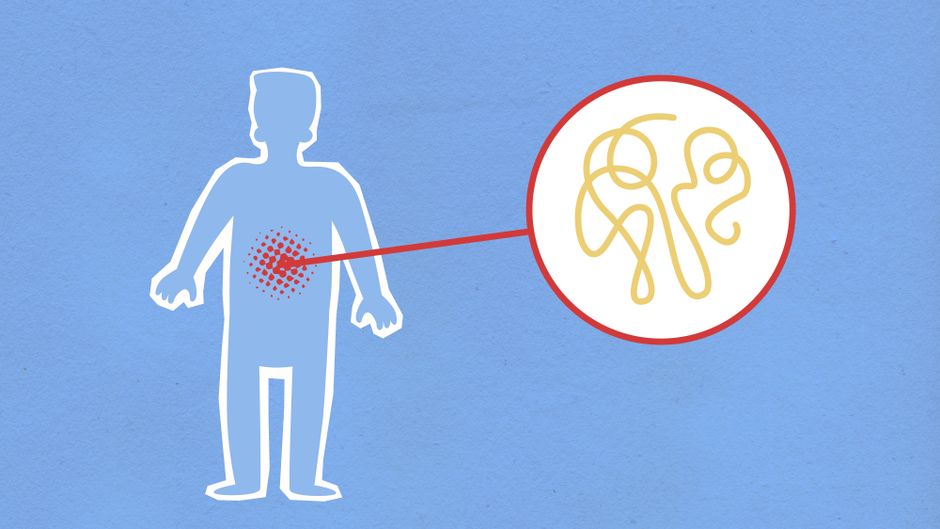
That unsettled, churning, or bloated feeling in your stomach after a drink is common. It happens because alcohol directly irritates the lining of your stomach and changes how your digestive system works. For most people, this is a temporary reaction that fades as the alcohol leaves your system, but it can also signal a deeper sensitivity or an underlying condition.
Why Does My Stomach Feel Weird After Drinking?
Alcohol is a chemical irritant. When it hits your stomach, it triggers inflammation in the mucosal lining. This is called gastritis. Even a single drink can cause this reaction in some people, leading to that queasy, burning, or heavy sensation.
Alcohol also relaxes the muscle that keeps stomach acid from flowing back into your esophagus. That is why heartburn and acid reflux often accompany a night of drinking. The combination of irritation and acid backup creates most of the discomfort you feel.
What Happens to Your Stomach When You Drink
Your stomach produces acid to digest food. Alcohol increases acid production. More acid means more irritation, especially when the stomach is empty.
Alcohol also slows gastric emptying. This means food and liquid sit in your stomach longer than they should. That delay causes bloating, fullness, and nausea. It also gives the alcohol more time to be absorbed, which can worsen its effects.
The stomach lining has a protective mucus layer. Alcohol breaks down that mucus barrier. Once the barrier is weakened, stomach acid and digestive enzymes can reach the tissue underneath. This is why heavy drinking can cause visible damage over time, including ulcers.
Common Symptoms and What They Mean
Different symptoms point to different processes in your digestive tract. Here is what each sensation typically indicates:
- Burning or gnawing pain — This usually means stomach acid is irritating the lining. It is the classic sign of gastritis.
- Bloating and fullness — This suggests slowed gastric emptying. Your stomach is holding contents longer than normal.
- Nausea — This can come from direct irritation, increased acid, or the effect of alcohol on your brain’s vomiting center.
- Heartburn — This happens when the lower esophageal sphincter relaxes and acid moves up into your esophagus.
- Cramping or diarrhea — This points to alcohol reaching your intestines. Alcohol speeds up bowel transit and disrupts fluid absorption.
Mild symptoms that pass within a few hours are common and not usually a cause for concern. Symptoms that persist for days, or that happen after every small amount of alcohol, deserve more attention.





Why Some People Feel It Worse Than Others
Not everyone reacts to alcohol the same way. Some people feel sick after half a glass of wine while others can drink without any stomach issues. Several factors explain this difference.
Genetics play a role in how your body processes alcohol. Some people lack efficient enzymes for breaking down alcohol’s byproducts. This leads to faster buildup of acetaldehyde, a toxic compound that causes nausea and flushing.
Your stomach contents matter. Drinking on an empty stomach means alcohol sits directly on the mucosal lining with nothing to dilute it. Food, especially protein and fat, slows alcohol absorption and provides a buffer.
Carbonation makes things worse. Bubbly drinks like beer and champagne expand the stomach and increase pressure. This worsens bloating and can push acid into the esophagus.
Certain medications increase stomach sensitivity. Nonsteroidal anti-inflammatory drugs like ibuprofen and naproxen already irritate the stomach lining. Combining them with alcohol multiplies the damage. If you take these regularly, your stomach will feel worse after drinking.
When Stomach Discomfort After Drinking Is a Warning Sign
Most stomach discomfort after drinking is temporary. But some patterns point to conditions that need medical attention.
If you vomit blood or pass black, tarry stools, this can indicate bleeding in the stomach or esophagus. This is an emergency. Do not wait to see if it passes.
Severe pain in the upper abdomen that radiates to your back can be a sign of pancreatitis. This is especially concerning if the pain is constant and intense rather than a dull ache.
If your stomach hurts after even small amounts of alcohol, and this happens consistently, you may have an intolerance or a chronic condition such as gastritis or peptic ulcer disease. Alcohol is not the cause of these conditions, but it makes them worse.
Persistent symptoms that last more than a few days after you stop drinking warrant a medical evaluation. Your doctor can determine whether you have an underlying digestive condition that alcohol is aggravating.
How to Prevent Stomach Discomfort When You Drink
You cannot completely eliminate the risk of stomach irritation if you drink alcohol. But you can reduce it.
Eat before you drink. A meal with protein and healthy fat slows alcohol absorption and coats the stomach lining. Avoid drinking entirely on an empty stomach.
Stay hydrated. Alcohol is a diuretic. Dehydration worsens nausea and headaches. Drink water between alcoholic beverages and before bed.
Choose lower-alcohol drinks. Higher alcohol content means more irritation. A light beer or a wine spritzer will be gentler on your stomach than a cocktail made with multiple spirits.
Avoid mixing alcohol with carbonated beverages if bloating is your main complaint. Flat drinks or those mixed with water or juice cause less gas buildup.
Do not take ibuprofen or aspirin before drinking to “protect” your stomach. This does the opposite. These drugs irritate the lining further and increase bleeding risk when combined with alcohol.
What to Do When Your Stomach Already Feels Weird
If you are already feeling the effects, a few steps can help you recover faster.
Stop drinking. More alcohol will only increase irritation. Give your stomach a chance to settle.
Drink water slowly. Sip rather than gulp. This rehydrates you without stretching your stomach further.
Eat bland food if you can tolerate it. Crackers, toast, or plain rice can absorb excess acid and settle the stomach. Skip spicy, greasy, or acidic foods until you feel better.
Antacids can neutralize stomach acid and relieve heartburn or burning pain. Over-the-counter options like calcium carbonate or magnesium hydroxide are generally safe for occasional use. If you have kidney disease or take prescription medications, ask your pharmacist before taking antacids.
Rest in an upright position. Lying flat makes acid reflux worse. If you need to lie down, prop yourself up with pillows so your head is elevated.
Do not take acetaminophen for the discomfort. Your liver is already processing alcohol. Adding acetaminophen increases the workload and can cause liver damage, especially if you drank heavily.
When to See a Doctor
Occasional stomach discomfort after drinking is not usually serious. But some situations require medical advice.
See a doctor if you experience any of the following:
- Stomach pain that lasts more than a few days
- Pain that happens after every drink, even small amounts
- Unintentional weight loss
- Frequent vomiting
- Blood in vomit or stool
- Difficulty swallowing
A doctor can test for Helicobacter pylori infection, which causes ulcers, or perform an endoscopy to look directly at your stomach lining. These tests can identify whether alcohol is simply irritating a healthy stomach or making an existing condition worse.
If you find that you cannot control how much you drink, or that stomach problems do not stop you from drinking, this is worth discussing with a healthcare provider. Alcohol use disorder is a medical condition, and treatment is available.
Frequently Asked Questions
Why does my stomach hurt after just one drink?
Alcohol irritates the stomach lining and increases acid production even in small amounts. If you have a sensitive stomach or an underlying condition like gastritis, one drink can be enough to trigger discomfort.
How long does alcohol stomach discomfort last?
Mild discomfort usually fades within a few hours as your body processes the alcohol. Symptoms that last more than a day or two may indicate a more serious issue.
Does drinking on an empty stomach make it worse?
Yes. Without food to buffer it, alcohol sits directly on the stomach lining and is absorbed faster. This increases irritation and makes symptoms worse.
Can stomach problems from drinking be permanent?
Chronic heavy drinking can cause lasting damage to the stomach lining and lead to conditions like chronic gastritis or ulcers. Occasional discomfort after drinking does not usually cause permanent harm.
