
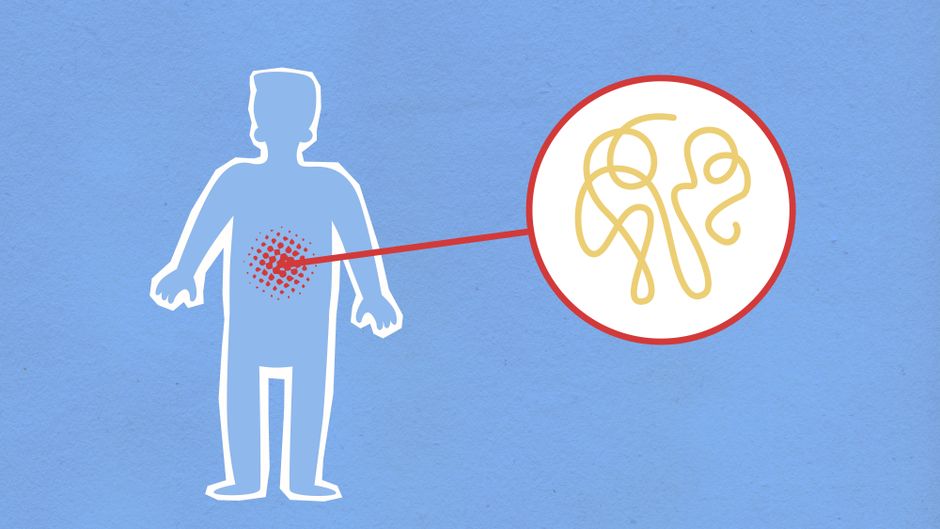
Feeling a pulse in your stomach can be surprising, but for most people it is completely normal. This sensation is usually the abdominal aorta, the largest artery in your body, carrying blood from your heart to your lower body. In many cases, you are simply feeling your own heartbeat through this major blood vessel, especially if you are thin or lying in a certain position.
Why Can You Feel Your Pulse In Your Stomach
The most common reason is the abdominal aorta. This artery runs from your heart, down through the center of your chest, and into your abdomen. It is about the width of a garden hose. Because it is so large, the force of blood pumping through it can be strong enough to feel through your belly.
When you lie on your back, your stomach muscles relax. This brings the aorta closer to the surface of your skin. If you have a low amount of body fat in your midsection, you are more likely to feel this pulsation. It is a physical sensation, not a sign of illness.
This is especially common in the third trimester of pregnancy. Pregnant women have increased blood volume and a higher cardiac output. The aorta sits deeper during pregnancy, but the increased blood flow makes the pulse more noticeable.
What Does a Normal Abdominal Pulse Feel Like?
A normal pulse in the stomach should feel like a gentle, rhythmic thumping. It should match your heart rate. If you check your wrist pulse at the same time, the feeling in your stomach should beat at the same pace.
It is usually most noticeable when you are resting. You may feel it strongly when you lie down to sleep or when you are sitting still. The sensation often disappears when you stand up because your abdominal muscles tighten and move the aorta deeper into your body.
The pulse should be painless. If there is no discomfort associated with the feeling, there is rarely a reason for concern.
When Could a Stomach Pulse Be a Sign of a Problem?
There is one condition that can cause a noticeable pulse in the abdomen: an abdominal aortic aneurysm. This is a bulge in the wall of the aorta. As the artery wall weakens, it balloons outward. This creates a stronger, more focused pulse that you can sometimes feel.
An aneurysm is not the same as a normal pulse. The key difference is that an aneurysm often causes a sensation of a mass or a deep, throbbing pain. Some people describe it as a heartbeat that feels unusually strong in one specific spot.
Seek medical attention right away if you feel a pulsing mass in your abdomen along with any of these symptoms:
- Deep, constant pain in your abdomen or side
- Back pain
- A feeling of fullness or tenderness when you press on your belly
These symptoms can indicate a serious problem. An abdominal aortic aneurysm can be life-threatening if it ruptures. However, most people who feel a pulse in their stomach do not have this condition.





Who Is at Risk for an Abdominal Aortic Aneurysm?
Abdominal aortic aneurysms are not common in the general population. They occur most often in specific groups of people. Knowing these risk factors can help you understand your own situation.
The strongest risk factors are:
- Age over 65 — The risk increases significantly with age.
- Smoking — This is the most important lifestyle risk factor. Smoking weakens the artery walls over time.
- High blood pressure — Constant pressure on the artery wall can cause it to weaken.
- Family history — If a parent or sibling has had an aneurysm, your risk is higher.
- Being male — Men are more likely to develop this condition than women.
- Atherosclerosis — Hardening of the arteries can contribute to the weakening of the aortic wall.
If you are under 50 and healthy, your risk of having an abdominal aortic aneurysm is very low. The sensation you feel is almost certainly your normal pulse.
How Is an Abdominal Aortic Aneurysm Diagnosed?
If a doctor suspects an aneurysm, they will usually start with a physical exam. They will press gently on your abdomen to feel for a pulsating mass. This exam can be inconclusive, especially in people with more abdominal fat.
The standard diagnostic test is an abdominal ultrasound. This is a painless imaging test that uses sound waves to create a picture of your aorta. It can measure the exact width of the artery.
A normal abdominal aorta is about 2 centimeters wide. An aorta is considered aneurysmal when it reaches 3 centimeters or more in diameter. The risk of rupture increases as the aneurysm grows larger.
If the ultrasound shows an aneurysm, your doctor may recommend regular monitoring. Small aneurysms are often watched with repeat ultrasounds every 6 to 12 months. Larger ones may require surgery to repair the artery wall.
Other Reasons You Might Feel a Pulse in Your Stomach
Sometimes the pulse you feel is not the aorta at all. It can be transmitted from other structures in your abdomen. The liver and spleen are organs that sit close to the aorta. They can transmit the pulsation of the artery to the abdominal wall.
Anxiety can also make you more aware of your heartbeat. When you are anxious, your heart rate increases and your blood pressure rises slightly. This makes your pulse stronger and easier to feel. If you are focused on your body, you may notice sensations that you normally ignore.
Eating a large meal can sometimes cause a similar sensation. The increased blood flow to your digestive system can make the pulse in your abdomen feel stronger for a few hours after eating.
How to Tell the Difference Between Normal and Concerning
The simplest way to assess your situation is to pay attention to accompanying symptoms. A normal abdominal pulse is isolated. It is just a feeling, with no pain and no other changes.
Consider these questions:
- Is the pulse painful? — Pain is a warning sign.
- Can you feel a distinct, firm lump? — This could indicate an aneurysm.
- Is the pulse constant, or does it come and go? — A normal pulse varies with your position and activity level.
- Do you have any risk factors like smoking or a family history? — These increase the need for evaluation.
If you answer yes to any of these, a medical evaluation is reasonable. If you simply feel a pulse and nothing else, it is most likely normal anatomy.
What to Do If You Are Concerned
If the pulse in your stomach worries you, talk to your doctor. This is a straightforward conversation. Describe what you feel and when you feel it. Your doctor can perform a quick physical exam and decide if imaging is needed.
An abdominal ultrasound is widely available, inexpensive, and has no radiation. It takes about 15 minutes and provides a definitive answer. For most people, the result is reassurance that everything is normal.
If you are a man between 65 and 75 who has ever smoked, the United States Preventive Services Task Force recommends a one-time screening ultrasound for abdominal aortic aneurysm. This is a preventive measure, not a response to symptoms. If you fall into this group and have not had this screening, it is worth asking about at your next visit.
Frequently Asked Questions
Is it normal to feel your pulse in your stomach?
Yes, it is normal for most people. You are feeling your abdominal aorta, a large artery that runs through your abdomen.
Why can I feel my heartbeat in my stomach when lying down?
Lying down relaxes your abdominal muscles, which brings the aorta closer to the surface of your skin. This makes the pulse easier to feel.
Can anxiety cause you to feel a pulse in your stomach?
Yes. Anxiety increases your heart rate and blood pressure, making your pulse stronger and easier to notice.
When should I worry about a pulse in my stomach?
Worry if the pulse is painful, if you feel a firm lump, or if you have back pain. These symptoms require a medical evaluation.
