
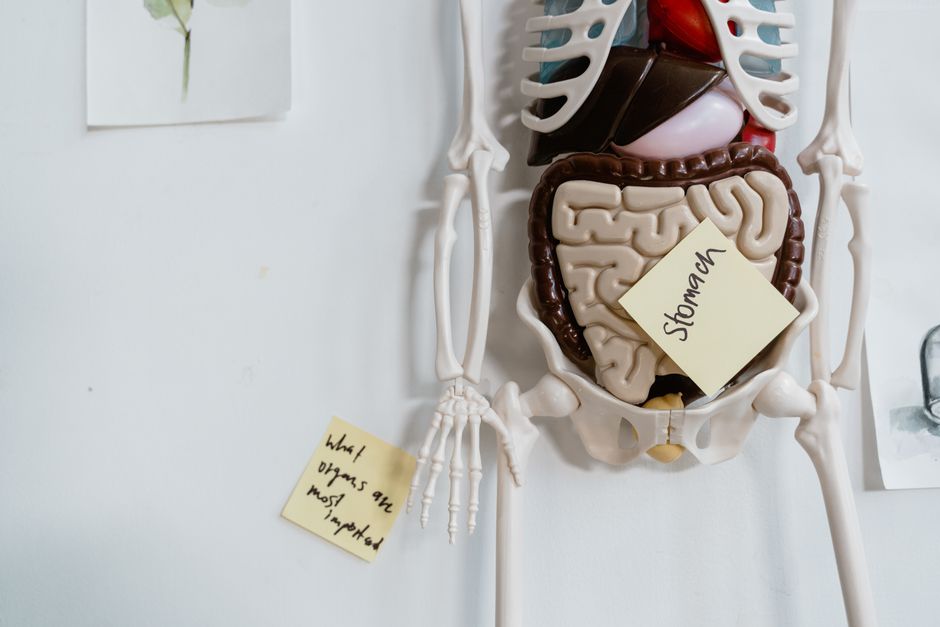
Stomach discomfort is one of the most common reasons people search for relief at home. Bloating, gas, cramps, nausea, and that heavy feeling after a meal can derail your whole day. The fastest path to feeling better starts with identifying what your stomach is reacting to, then using simple, evidence-based methods to calm it down. For most mild cases, sipping warm liquids, resting your digestive tract, and applying gentle heat to your abdomen are the first steps that actually work. Here is what the research and clinical guidance say about soothing an upset stomach without reaching for a pill bottle first.
What Causes an Upset Stomach in the First Place?
Understanding the cause matters more than the symptom. The stomach and intestines respond to food, stress, hormones, and even how fast you eat. Common triggers include overeating, eating too quickly, consuming high-fat or highly processed foods, and drinking carbonated beverages. Food intolerances, such as lactose or gluten sensitivity, also cause recurring discomfort in many people.
Stress plays a direct role too. The gut is lined with millions of nerve endings that communicate with the brain. When you are anxious, your digestive system slows down or speeds up unpredictably. This can produce cramping, bloating, or a sudden urge to use the bathroom. If your stomach feels worse during busy or stressful periods, the nervous system is likely a major contributor.
Viral gastroenteritis, often called the stomach flu, is another common cause. It typically brings nausea, vomiting, diarrhea, and stomach cramps for 24 to 48 hours. If you have a fever above 101°F, blood in your stool, or symptoms lasting more than two days, contact a healthcare provider. Those are not situations to manage with home remedies alone.
What to Drink to Settle Your Stomach Fast
Hydration is the first line of defense. When your stomach is upset, especially with vomiting or diarrhea, you lose fluids and electrolytes. Sipping clear liquids slowly is the safest approach. Water is fine, but oral rehydration solutions, which contain a precise balance of salt, sugar, and potassium, are more effective for replacing what you lose.
Warm liquids often provide faster relief than cold ones. Ginger tea is one of the best-studied options. Research consistently shows that ginger reduces nausea, including pregnancy-related nausea and motion sickness. You can use fresh ginger slices steeped in hot water or a caffeine-free ginger tea bag. Avoid ginger ale, which contains carbonation and large amounts of sugar that can worsen bloating.
Peppermint tea is another option, but with a caveat. Peppermint relaxes the muscles of the digestive tract, which can relieve cramping and gas. However, if you have gastroesophageal reflux disease (GERD), peppermint can relax the lower esophageal sphincter and make heartburn worse. If you feel burning in your chest after drinking it, switch to something else.
Chamomile tea offers mild anti-inflammatory effects and can reduce muscle spasms in the gut. It is also calming, which helps if stress is part of the problem. Avoid caffeine entirely when your stomach is upset because it stimulates acid production and can increase cramping.
Which Foods Help and Which Foods Hurt
When your stomach is actively upset, the goal is to give your digestive tract a break. The BRAT diet — bananas, rice, applesauce, and toast — has been recommended for decades for diarrhea and nausea. Bananas provide potassium, rice and toast are easy to digest, and applesauce offers pectin, which can help firm up stool. This approach works because these foods are low in fiber, low in fat, and unlikely to irritate the stomach lining.
Plain crackers, boiled potatoes without butter, and clear broths are also safe choices. Eat small amounts at a time. A few bites every hour is easier on the stomach than three large meals. Chew thoroughly and eat slowly. This reduces the amount of air you swallow, which directly reduces bloating.
Foods to avoid until symptoms resolve include dairy products, fried or fatty foods, spicy dishes, and anything with artificial sweeteners. Alcohol and carbonated drinks are also off the table. These items either stimulate acid production, slow stomach emptying, or introduce gas into the digestive tract.
There is a common misconception that yogurt helps every stomach issue because it contains probiotics. That is not accurate. Yogurt is dairy, and dairy can worsen symptoms during a bout of gastroenteritis or if you are lactose intolerant. If you want probiotics, wait until your stomach has settled and then introduce them gradually.





Physical Methods That Relieve Stomach Cramps
Heat is one of the simplest and most effective tools for abdominal cramping. A heating pad set on low or a warm water bottle placed on your abdomen relaxes the muscles of the intestinal wall. This reduces the intensity of cramps and can help gas move through. Use heat for 15 to 20 minutes at a time. Never fall asleep with a heating pad on, and always place a cloth between the pad and your skin to prevent burns.
Gentle movement can also help. Walking at a slow pace for 10 to 15 minutes stimulates intestinal motility, which helps move trapped gas. The key word is gentle. Vigorous exercise diverts blood flow away from the digestive tract and can worsen nausea or cramping.
Certain body positions relieve gas pressure. Lying on your left side with your knees drawn toward your chest allows gravity to help gas move through the descending colon. This position is often recommended for people with trapped gas or constipation. If you feel bloated, try this for 10 minutes before reaching for any medication.
Abdominal massage in a clockwise direction, following the path of the colon, can also promote movement. Use light pressure and stop if it causes pain. This technique is commonly used in clinical settings for constipation and gas relief.
How To Make Your Stomach Feel Better Naturally With Lifestyle Adjustments
Prevention is more effective than treatment. Eating smaller meals more frequently puts less strain on your digestive system than three large meals. The stomach empties more easily when it is not overfilled, which reduces the chance of acid reflux and bloating.
Eating without distractions matters more than most people realize. When you eat while watching television or scrolling on your phone, you tend to eat faster and chew less. This increases air swallowing and makes digestion harder. Sitting down at a table, putting your fork down between bites, and chewing each bite thoroughly are simple habits with measurable effects.
Regular physical activity, even a daily 20-minute walk, keeps the digestive tract moving. A sedentary lifestyle is strongly associated with constipation and bloating. Movement stimulates peristalsis, the wave-like contractions that push food through the intestines.
Sleep also affects digestion. The gut follows a circadian rhythm. Eating large meals late at night disrupts this rhythm and increases the risk of acid reflux and poor digestion the next day. Aim to finish your last meal at least two to three hours before lying down.
Stress management is not a vague recommendation. Deep breathing exercises, specifically diaphragmatic breathing, stimulate the vagus nerve, which signals the digestive system to shift into rest-and-digest mode. Even five minutes of slow, deep breaths before a meal can reduce post-meal discomfort.
When Over-the-Counter Remedies Make Sense
Natural methods are not always enough, and that is okay. Simethicone, the active ingredient in gas-relief products, helps break up gas bubbles in the stomach and intestines. It is not absorbed into the bloodstream and is considered safe for most adults. It works best when taken after meals.
Antacids that contain calcium carbonate or magnesium hydroxide neutralize stomach acid and provide relief for heartburn. They work quickly but do not prevent symptoms. If you need antacids more than twice a week, see a doctor. Frequent heartburn can indicate gastroesophageal reflux disease, which requires proper evaluation.
Bismuth subsalicylate, found in products like Pepto-Bismol, can help with mild diarrhea and nausea. It works by reducing inflammation in the stomach lining and slowing fluid loss in the intestines. Do not give it to children or teenagers recovering from a viral illness, as it carries a risk of Reye’s syndrome, a rare but serious condition.
Probiotic supplements have evidence for preventing antibiotic-associated diarrhea and reducing symptoms of irritable bowel syndrome in some people. The evidence for treating an acute stomach upset is weaker. If you take probiotics, choose a product with a specific strain that has been studied, such as Lactobacillus rhamnosus GG or Saccharomyces boulardii. Do not expect immediate relief; probiotics work over days, not minutes.
Signs That You Need Medical Care
Most stomach discomfort resolves within 24 to 48 hours. Some symptoms require immediate medical attention. Seek care if you have severe abdominal pain that comes on suddenly, pain that radiates to your back or shoulder, or pain that gets progressively worse. These can signal appendicitis, gallbladder disease, or pancreatitis.
Blood in vomit or stool is always a reason to call a doctor. So is vomit that looks like coffee grounds, which indicates digested blood. A fever above 101°F combined with abdominal pain warrants evaluation. Difficulty breathing, dizziness, or fainting alongside stomach symptoms can indicate a serious condition.
Dehydration is a common complication of vomiting and diarrhea. Signs include dark urine, dry mouth, extreme thirst, and feeling lightheaded when standing. If you cannot keep fluids down for more than 12 hours, seek medical care. Intravenous fluids may be necessary.
For people with existing conditions like diabetes, inflammatory bowel disease, or a history of abdominal surgery, stomach symptoms should be evaluated more quickly. What is mild for a healthy person can be serious for someone with these conditions.
Frequently Asked Questions
How long does an upset stomach last?
Most mild stomach upsets from overeating or gas resolve within a few hours. Viral gastroenteritis typically lasts 24 to 48 hours, and symptoms lasting longer than two days should be evaluated by a healthcare provider.
Is ginger ale good for an upset stomach?
No. Ginger ale contains carbonation and high amounts of sugar, both of which can worsen bloating and nausea. Real ginger tea made from fresh ginger root is a better choice because it contains the active compounds that reduce nausea.
Can I take probiotics for an upset stomach?
Probiotics are more helpful for preventing antibiotic-associated diarrhea and managing irritable bowel syndrome than for treating an acute stomach upset. If you take them, expect benefits over several days, not immediate relief.
Does lying down help or hurt an upset stomach?
Lying flat can worsen acid reflux because it allows stomach acid to flow back into the esophagus. If you need to rest, prop your head up with pillows or lie on your left side with your knees drawn up, which helps gas move through the colon.
