
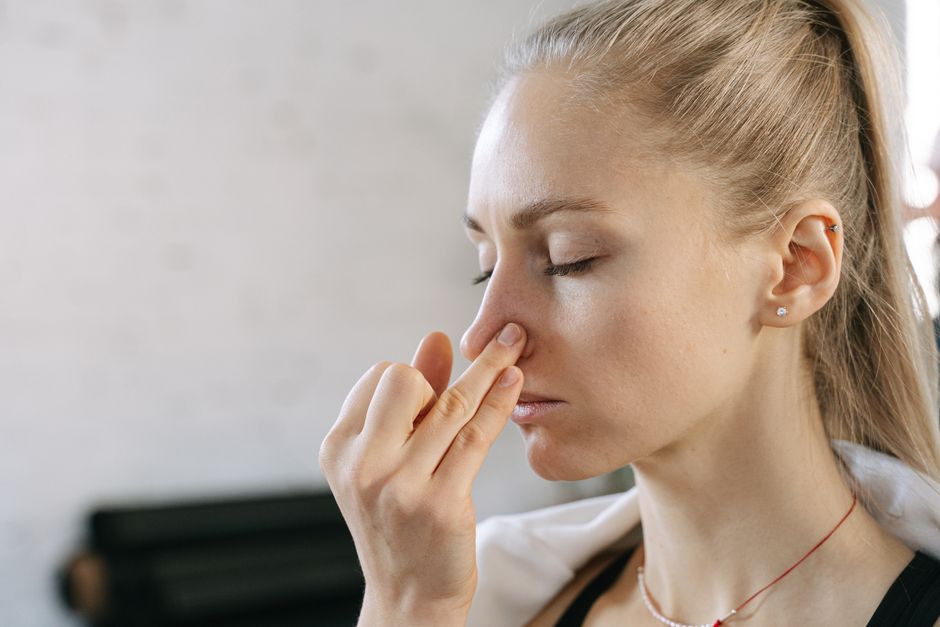
You sit down for a meal, take a bite, and suddenly your nose starts dripping. It is not from spicy food or a cold. It happens with almost anything you eat. This is a real condition with a real name. It is called gustatory rhinitis. The simple explanation is that eating triggers your nose to make extra mucus. For most people, it is harmless and annoying.
What Causes Your Nose to Run When You Eat?
The medical term for a runny nose while eating is gustatory rhinitis. “Gustatory” means related to taste. “Rhinitis” means inflammation of the nose. But in this case, inflammation is not always the main issue.
Your nose has nerves that connect to your mouth and throat. When you eat, these nerves get stimulated. They send a signal to your nose to produce more mucus. This is a normal reflex. For some people, this reflex is overactive. Any food can trigger it. The most common triggers are hot or spicy foods, but even plain bread or fruit can cause it.
Research published by the American Academy of Allergy, Asthma & Immunology explains that gustatory rhinitis is not an allergic reaction. It is a nerve-based response. The nerves in your nasal passages react to the heat or taste of food. They tell the glands in your nose to release fluid. This fluid is not the same as the watery discharge from allergies. It is a clear, thin mucus.
Some people only get this with spicy foods containing capsaicin. Capsaicin is the compound that makes chili peppers hot. It directly triggers the same nerve pathway. But the condition is not limited to spicy food. Many people report a runny nose from any warm meal, from soup to oatmeal.
Is Gustatory Rhinitis the Same as a Food Allergy?
No. This is a common misunderstanding. Gustatory rhinitis is not an allergy. A food allergy involves your immune system. Your body mistakes a food protein for a threat. It releases histamine and other chemicals. This can cause hives, swelling, trouble breathing, or a runny nose.
Gustatory rhinitis does not involve histamine or the immune system. It is a nervous system reflex. The symptoms are limited to a runny nose. There is no itching, no hives, no throat swelling. If you have a runny nose with other symptoms like rash or stomach pain, that could be a food allergy. You should see a doctor.
Some people confuse gustatory rhinitis with non-allergic rhinitis. Non-allergic rhinitis is a broader category. It includes runny nose from weather changes, strong smells, or smoke. Gustatory rhinitis is one specific type of non-allergic rhinitis. The trigger is eating, not environmental irritants.
If you only get a runny nose when you eat and have no other symptoms, it is almost certainly gustatory rhinitis. It is not dangerous. It is just inconvenient.
How Common Is Gustatory Rhinitis?
There are no exact numbers on how many people have gustatory rhinitis. Many people do not report it to a doctor. They assume it is normal or do not realize it is a named condition. Based on studies of non-allergic rhinitis, experts at the American Rhinologic Society estimate that it affects a significant number of adults. Some studies suggest that up to 1 in 5 people with chronic runny nose have gustatory rhinitis as a contributing factor.
It appears more common in older adults. As people age, the nerves in the nose can become more sensitive. The condition is also more common in people who already have other types of rhinitis, like allergic rhinitis (hay fever). If you already have a sensitive nose, eating can push it over the edge.
One study published in the journal Allergy & Rhinology found that gustatory rhinitis was present in about 17% of patients with non-allergic rhinitis. That is not a small number. It means millions of people in the United States likely experience this.





Why Does This Happen More with Spicy Food?
Spicy food is the most well-known trigger. The compound capsaicin in chili peppers binds to a specific receptor on nerve cells. This receptor is called TRPV1. It is the same receptor that detects heat. When you eat something spicy, your brain thinks your mouth is on fire. It tries to cool things down. One way it does this is by making your nose run.
The runny nose from spicy food is a protective reflex. The extra mucus helps flush the capsaicin away from your nasal passages. It is the same reason your eyes water when you eat something very hot. Your body is trying to protect itself.
But not everyone gets a runny nose from spicy food. Some people have a stronger reflex than others. This may be genetic. There is also evidence that people with chronic sinus issues or nasal allergies have a more sensitive TRPV1 receptor. Their nerves are already primed to react.
Interestingly, capsaicin is also used as a treatment for some types of runny nose. Doctors sometimes use capsaicin nasal sprays to desensitize the nerves. With repeated exposure, the nerves stop reacting as strongly. This is the same principle behind building tolerance to spicy food over time.
| Trigger Type | Common Examples | Why It Triggers |
|---|---|---|
| Spicy foods | Chili, hot sauce, curry | Capsaicin directly activates nerve receptors |
| Hot temperature | Soup, tea, hot coffee | Heat stimulates the same nerve pathway |
| Strong flavors | Vinegar, horseradish, wasabi | Chemical irritants trigger nerve response |
| Any food (sensitive individuals) | Bread, fruit, plain rice | Overactive nerve reflex to normal eating |
What Can You Do About a Runny Nose When Eating?
There is no cure for gustatory rhinitis. But there are ways to manage it. The first step is to identify your triggers. Keep a simple food diary for a week. Write down what you ate and whether your nose ran. You may notice a pattern you did not see before.
If spicy food is your main trigger, the most obvious solution is to avoid it. But for many people, the trigger is not spicy food. It is the act of eating itself. In that case, you have other options.
- Anticholinergic nasal spray – Ipratropium bromide (brand name Atrovent) is a prescription nasal spray. It stops the nose from producing excess fluid. It works well for gustatory rhinitis. You spray it about 30 minutes before eating. It does not treat congestion or allergies. It only stops the drip.
- Antihistamines do not work – Since gustatory rhinitis is not an allergic reaction, antihistamines like Benadryl or Claritin will not help. Do not take them for this condition.
- Nasal saline rinses – Rinsing your nasal passages with a saline solution before eating can help clear out any existing mucus. It does not stop the reflex, but it may reduce the amount of dripping.
- Blow your nose before eating – This is simple but effective. If your nose is already empty, there is less to drip. It is not a solution, but it helps in the moment.
Some people report that eating smaller, more frequent meals reduces the reflex. There is no strong evidence for this, but it is harmless to try. The theory is that smaller amounts of food stimulate the nerves less intensely.
When Should You See a Doctor About This?
Gustatory rhinitis is not dangerous. You do not need treatment if it does not bother you. But there are times when a doctor’s visit is a good idea.
See a doctor if the runny nose is only on one side. This could indicate a structural problem like a nasal polyp or a deviated septum. A one-sided runny nose after eating is not typical for gustatory rhinitis.
See a doctor if you have other symptoms. If your nose runs when you eat but you also have sneezing, itchy eyes, hives, or stomach problems, you may have a food allergy. This is especially important if you ever feel your throat tighten or have trouble breathing. That is a medical emergency.
See an ear, nose, and throat specialist (ENT) if the condition affects your quality of life. If you avoid social meals because of embarrassment, that is a valid reason to seek help. An ENT can confirm the diagnosis and prescribe ipratropium bromide nasal spray if appropriate. They can also rule out other causes like chronic sinusitis.
Most people with gustatory rhinitis do not need any medical treatment. Knowing what it is and that it is harmless is often enough. It is a normal body reflex that happens to be a bit stronger in some people.
Frequently Asked Questions
Is a runny nose while eating a sign of a serious condition?
No, in most cases it is just gustatory rhinitis, a harmless nerve reflex. Only see a doctor if you have additional symptoms like hives or trouble breathing.
Can allergies cause a runny nose when eating?
Yes, but food allergies usually cause other symptoms like itching, swelling, or stomach pain. A runny nose alone is rarely an allergy.
Does age affect gustatory rhinitis?
Yes, it becomes more common as you get older because nasal nerves can become more sensitive over time.
What is the best treatment for a runny nose when eating?
Ipratropium bromide nasal spray is the most effective treatment, but avoiding triggers and using saline rinses also help.
