
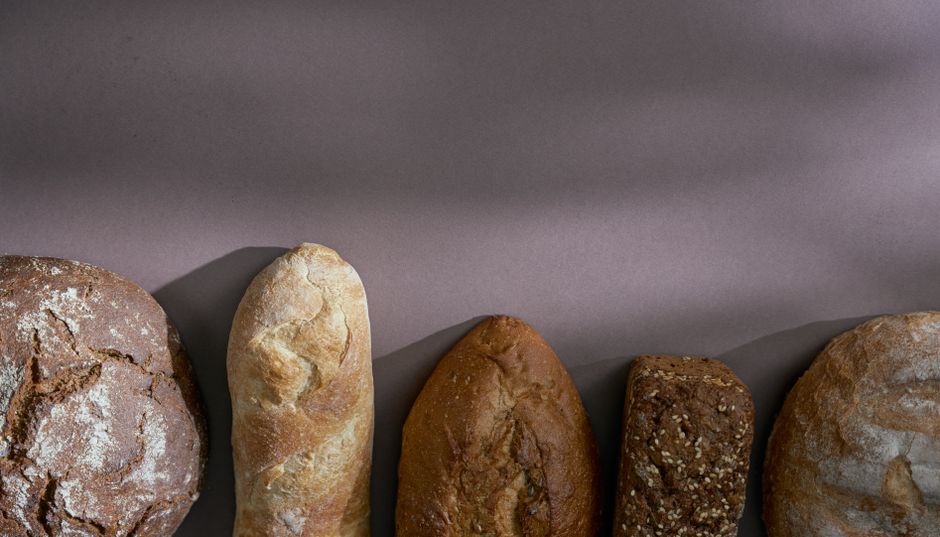
You open your bread bag, grab a slice for toast, and notice a spot of green fuzz in the corner. Maybe you cut it off. Maybe you eat around it. Or maybe you already took a bite before you saw it. Most people have done this at some point. Here is what actually happens inside your body when you eat mouldy bread, based on what the evidence really shows.
What Happens If You Eat Mouldy Bread Immediately After Eating It
Your body has a first line of defense that starts working within seconds. Stomach acid is strong enough to kill many types of mould spores. The CDC reports that most healthy adults who accidentally eat a small amount of mouldy bread will not notice any symptoms at all.
But that does not mean nothing happens. Your immune system recognizes mould as a foreign invader. In most cases it handles the job quietly. Some people report a brief odd taste or a slight feeling of nausea simply from the thought of what they ate. That is psychological, not physical.
If the mould contains mycotoxins — toxic compounds produced by certain fungi — your liver has to process them. The liver is good at this in small amounts. Research published in the journal Toxins found that low-level exposure to common bread moulds rarely causes problems in people with healthy livers. The key word is healthy.
Can You Just Cut Off the Mouldy Part and Eat the Rest
This is one of the most common questions people ask. The short answer is no, and here is why. Mould on bread is not like mould on hard cheese. Bread is soft and porous. The visible fuzz on the surface is just the part of the mould that has fruited. The root system, called hyphae, has already spread invisibly through the entire slice.
The USDA explicitly warns against cutting mould off bread. Their guidelines state that soft foods with high moisture content, like bread, should be thrown away entirely if mould appears. Hard cheeses and firm vegetables are different. You can cut an inch around and below the mould on those. Not bread.
Some people argue that they have done this for years without getting sick. That is survivorship bias. You can drive without a seatbelt for years too. It does not mean the risk is not real. The invisible spread of mould means you are eating more than you can see.
What Types of Mould Grow on Bread and How Dangerous Are They
Not all mould is the same. The most common bread moulds belong to the genera Penicillium, Aspergillus, and Rhizopus. Rhizopus stolonifer is the black bread mould you often see on old bread. It is usually harmless in small amounts for healthy people.
Aspergillus is more concerning. Some species produce aflatoxins, which are among the most potent naturally occurring carcinogens known. The International Agency for Research on Cancer classifies aflatoxins as Group 1 carcinogens — definitely cancer-causing in humans. But here is the honest part: the levels found on a single slice of bread are extremely low. Chronic exposure over years is the real concern, not one bite.
Penicillium species are common on bread too. Some Penicillium moulds produce mycotoxins called ochratoxins, which can damage kidneys over time. Again, the dose matters. A single exposure is unlikely to cause measurable harm. The risk comes from repeatedly eating mouldy food without realizing it.
| Mould Type | Common Appearance | Primary Risk | Risk Level from Single Exposure |
|---|---|---|---|
| Rhizopus | Black or gray fuzzy patches | Allergic reaction | Very low for healthy adults |
| Penicillium | Blue or green fuzzy spots | Ochratoxin production | Low |
| Aspergillus | Yellow-green or black powdery spots | Aflatoxin production | Low to moderate depending on species |



Who Is at Real Risk from Eating Mouldy Bread
Most healthy adults will be fine. But certain groups face genuine danger. People with weakened immune systems — those undergoing chemotherapy, organ transplant recipients, or people with uncontrolled HIV — can develop serious fungal infections from eating mouldy bread. These infections, called aspergillosis, can spread from the digestive tract to the lungs or bloodstream.
People with asthma or mold allergies may also react strongly. The American Academy of Allergy Asthma and Immunology notes that inhaling mould spores from bread can trigger asthma attacks in sensitive individuals. Even if you did not inhale the spores directly, opening the bag releases them into the air around your face.
Pregnant women should also be cautious. While evidence is limited, some mycotoxins can cross the placenta. The European Food Safety Authority advises pregnant women to avoid any food with visible mould, including bread. This is a precaution based on what we do not fully know, not on proven harm.
Children are at higher risk too because of their smaller body size. The same dose of mycotoxin affects a child more than an adult simply because their body has less mass to dilute it. If your child eats mouldy bread, call your pediatrician for guidance rather than waiting to see if symptoms develop.
What Symptoms Should You Actually Watch For
If you ate mouldy bread and are worried, here is what to look for. Most symptoms appear within a few hours to a day. Nausea, vomiting, and diarrhea are the most common. These are your body’s way of getting rid of something it does not want.
Respiratory symptoms are less common but more serious. Wheezing, coughing, or difficulty breathing after eating mouldy bread could indicate an allergic reaction or, in rare cases, inhaled spores causing lung irritation. If you have trouble breathing, go to the emergency room.
Fever is a red flag. A fever that develops within 24 hours of eating mouldy bread could indicate a systemic infection. This is extremely rare but requires immediate medical attention. Do not wait to see if it goes away on its own.
Some people report no symptoms at all and never know they ate mould. That is the most common outcome. The human body has evolved to handle small amounts of environmental toxins. The problem is when small amounts add up over time or when the person eating the mould is already vulnerable.
Common Misconceptions About Eating Mouldy Bread
One of the most widespread myths is that heating mouldy bread kills the mould and makes it safe to eat. This is false. Heat can kill the living mould, but it does not destroy the mycotoxins that the mould has already produced. Mycotoxins are heat-stable and can survive baking, boiling, and even microwaving. Cooking mouldy bread does not make it safe.
Another misconception is that only green or fuzzy mould is dangerous. White mould is just as risky. Many people mistake white mould for flour dust on bread. If you see any discoloration or fuzz that was not there when you bought the bread, treat it as mould regardless of color.
Some people believe that sourdough or artisan breads are resistant to mould because they contain natural preservatives. This is not true either. Sourdough bread moulds just as quickly as commercial bread, sometimes faster because it lacks the chemical preservatives found in supermarket loaves. The only difference is the type of mould that grows, not the risk.
A final myth is that eating mouldy bread once gives you immunity to future exposure. There is no evidence for this. In fact, repeated exposure to the same mould species could sensitize your immune system, making future reactions more severe. This is called acquired hypersensitivity and is well-documented in agricultural workers who handle mouldy grain.
Frequently Asked Questions
What should I do if I accidentally ate mouldy bread?
Do not panic. Most healthy adults will have no symptoms. Drink water and watch for nausea, vomiting, or breathing problems. If you have a weakened immune system or develop a fever, call your doctor.
Can mouldy bread make you sick immediately?
Some people feel nauseous within minutes, but that is usually psychological. Physical symptoms like vomiting or diarrhea typically take a few hours to appear if they occur at all.
Is it safe to eat bread with a small spot of mould?
No. The visible mould is only the surface growth. The roots have spread through the entire slice. Throw the whole slice away, and check the rest of the loaf for any signs of mould.
Does toasting mouldy bread kill the toxins?
No. Toasting kills the live mould but does not destroy the heat-stable mycotoxins. The toxins remain in the bread and can still cause harm after toasting.
